MK Stalin targets CM Vijay after Udhayanidhis arrest, says arrogance leads to destruction
DMK chief MK Stalin attacked Tamil Nadu Chief Minister Vijay after Udhayanidhi Stalin was arrested and later released in connection with his controversial remarks. Here's what happened
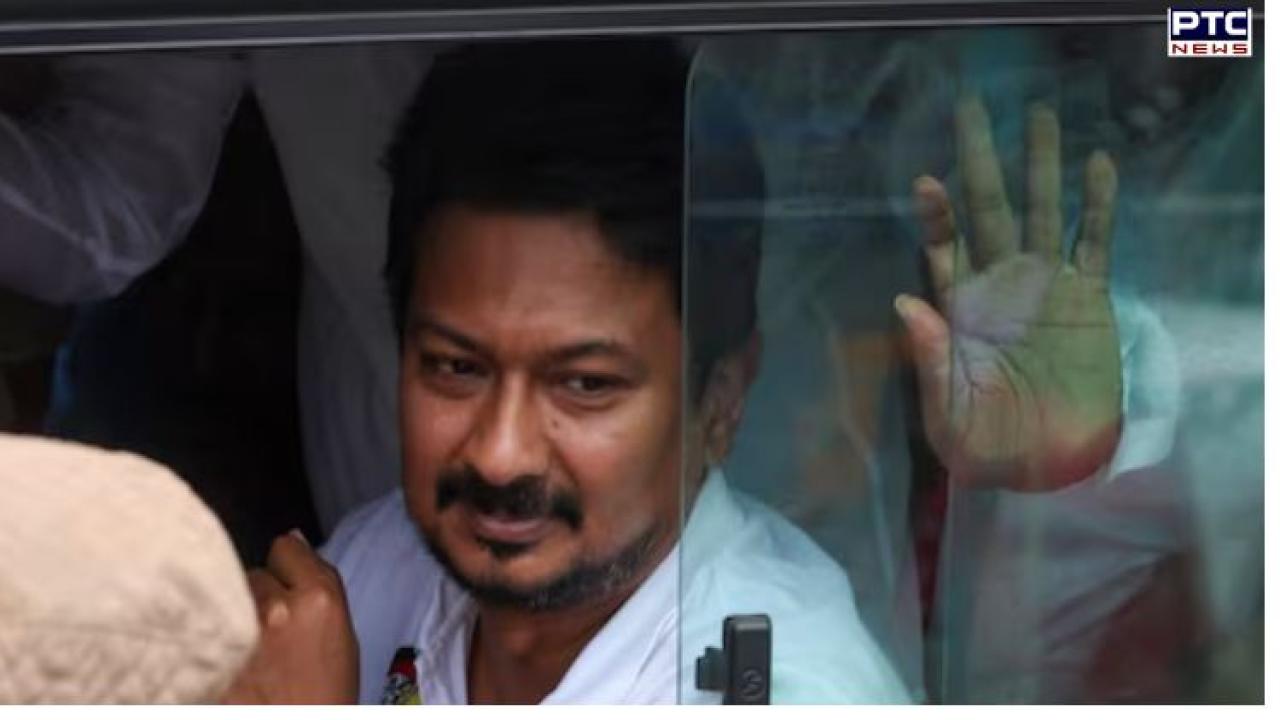
PTC Web Desk: A political war of words erupted in Tamil Nadu on Tuesday after DMK president MK Stalin sharply criticised the TVK-led government headed by Chief Minister Vijay, hours after his son and Leader of the Opposition Udhayanidhi Stalin was arrested and later released in a case linked to his controversial remarks involving actor Trisha Krishnan.
Calling the arrest politically motivated, MK Stalin accused the state government of trying to divert public attention from key issues, including the Cauvery water dispute.
Related News | Udhayanidhi Stalin arrest: Madras High Court grants station bail in Trisha remark case
Related News | Tamil Nadu LoP Udhayanidhi Stalin arrested over crass 'Trisha' remarks, says being targeted
Responding after Udhayanidhi's release, MK Stalin posted a strong message targeting the ruling government. "Arrogance leads to destruction; persistent arrogance only accelerates it."
He alleged that instead of addressing public concerns, the government had chosen to target political opponents through arrests.
DMK alleges arrest was timed before budget session
MK Stalin claimed the government deliberately arrested Udhayanidhi a day before the Tamil Nadu Assembly's budget session to keep the Leader of the Opposition away from the House.
According to him, the government failed to respond to questions raised by Udhayanidhi over the Cauvery water dispute and the proposed Mekedatu dam project, and instead resorted to legal action.
Criticism of CM Vijay's government
The DMK chief accused Chief Minister Vijay of focusing on publicity rather than governance. He alleged that since assuming office, the government has repeatedly arrested opposition leaders, critics and protesters instead of fulfilling election promises.
MK Stalin also claimed that Opposition leaders have been arrested over social media posts and public statements. Students protesting against the NEET examination faced police action. Farmers' protests were dismissed as politically motivated. Anti-NEET awareness campaigns allegedly faced restrictions. Chennai's Marina Beach was closed during protests, which he described as an undemocratic move.
The DMK also demanded the immediate release of party workers detained during statewide protests.
Why was Udhayanidhi Stalin arrested?
The controversy began during a public meeting in Thanjavur on the Cauvery water dispute with Karnataka. During his speech, some people in the audience repeatedly chanted actor Trisha Krishnan's name. Udhayanidhi responded with a remark that the ruling TVK described as having a vulgar double meaning.
The comments triggered widespread criticism from political leaders and public figures.
Leaders and xelebrities criticised the remarks
Several leaders, including MDMK leader Durai Vaiko, condemned the comments, saying the event was meant to discuss the Cauvery issue and farmers' concerns, not make remarks that could be perceived as offensive towards women. Singer Chinmayi Sripada and actor-politician Khushboo Sundar also criticised Udhayanidhi over the controversy.
Charges against Udhayanidhi
The police booked Udhayanidhi Stalin under multiple legal provisions, including allegations related to use of obscene words, outraging the modesty of women, promoting enmity, provocation with intent to cause a riot and criminal intimidation. Authorities also invoked provisions of the Tamil Nadu Prohibition of Harassment of Women Act.
Released after High Court order
Udhayanidhi Stalin was questioned by the police and released nearly four hours after his detention following an order from the Madras High Court. After his release, he denied making any vulgar remarks and maintained that the government was attempting to shift focus from issues affecting Tamil Nadu, particularly the Cauvery water dispute and the Mekedatu dam project.