Brazil records first ever deaths from Oropouche Fever; Know all about the mosquito-borne illnesses
Oropouche fever represents a significant emerging infectious disease in tropical regions
Oropouche Fever: The Brazilian health ministry has confirmed the first-ever recorded deaths from Oropouche fever.
The fatalities involved two women under the age of 30 from Bahia state, both of whom had no underlying health conditions.
Their symptoms closely resembled those of severe dengue fever.
The Pan American Health Organization (PAHO) issued a warning regarding the increasing incidence of Oropouche virus infections in certain areas of the Americas. This virus is transmitted through the bites of infected midges (tiny flies) and mosquitoes.
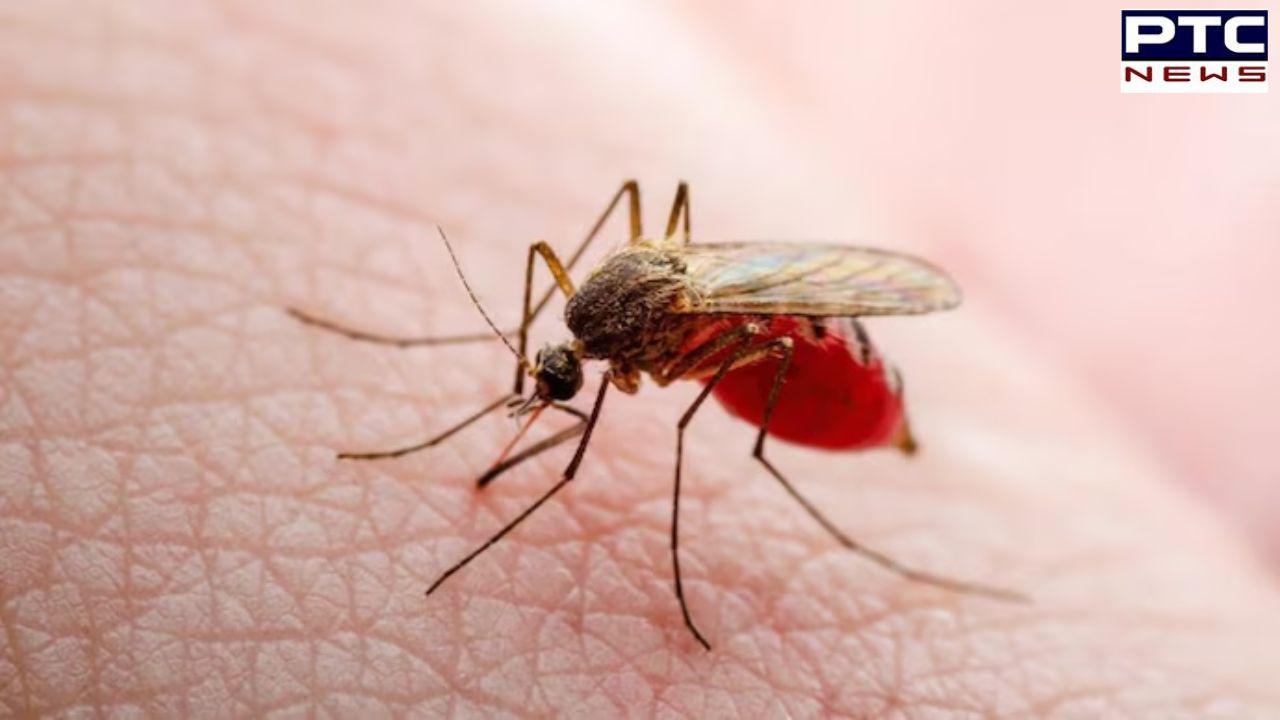
Oropouche Fever: An Emerging Threat
Oropouche fever is a viral illness caused by the Oropouche virus (OROV), a member of the Bunyaviridae family. This arbovirus is primarily transmitted to humans through the bite of infected midges (Culicoides paraensis) but can also be spread by mosquitoes (Culex quinquefasciatus) and through direct contact with infected blood. Oropouche fever is an emerging public health concern, especially in tropical regions of Central and South America.
Oropouche Fever: History and Epidemiology
First identified in Trinidad in 1955, Oropouche fever has since caused numerous outbreaks in Brazil, Peru, Panama, and other parts of Latin America. Over 500,000 cases have been reported, with Brazil experiencing the highest number of outbreaks.
Oropouche Fever: Symptoms
Oropouche fever typically manifests after an incubation period of 4 to 8 days. The most common symptoms include:
- Sudden high fever
- Headache
- Myalgia (muscle pain)
- Arthralgia (joint pain)
- Skin rash
- Chills
- Nausea
- Vomiting
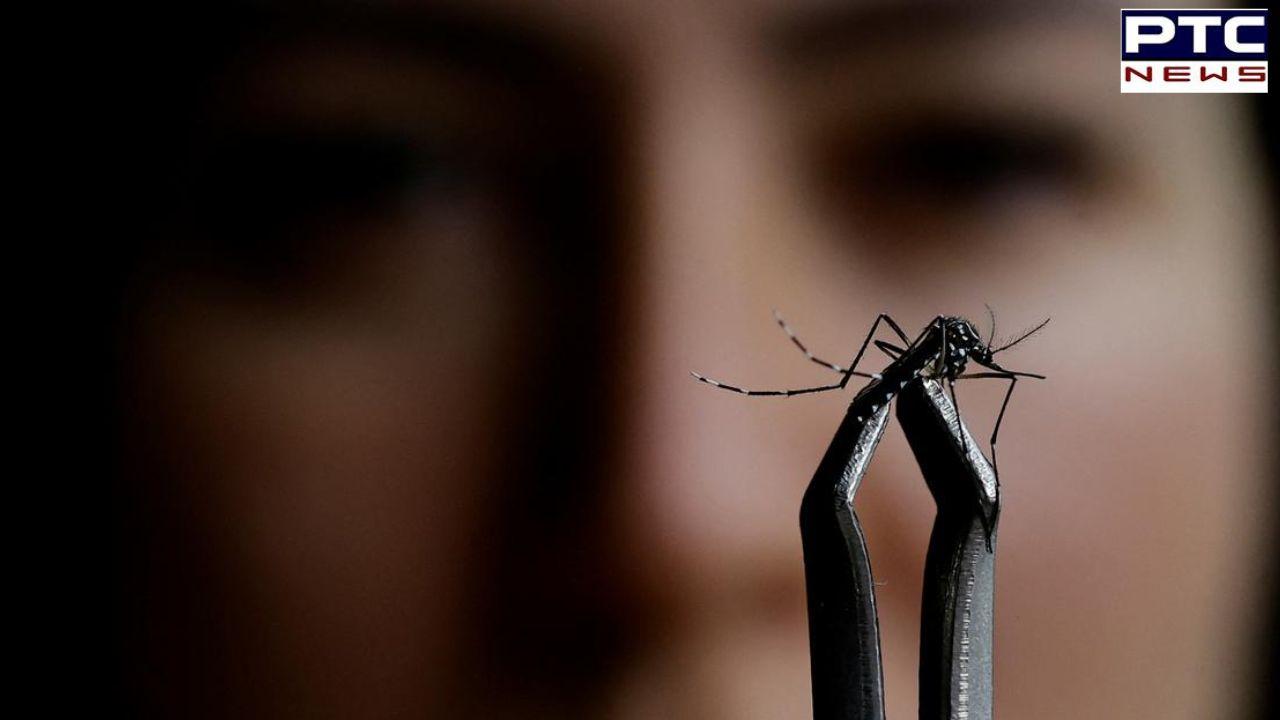
Oropouche Fever: Treatment
- Fever and pain management: Acetaminophen is recommended to reduce fever and relieve pain.
- Hydration: Ensuring adequate fluid intake to prevent dehydration.
- Rest: Adequate rest is crucial for recovery.
Oropouche Fever: Prevention
- Insect Repellents: Using repellents containing DEET or picaridin.
- Protective Clothing: Wearing long-sleeved shirts and pants.
- Insecticide-Treated Nets: Sleeping under nets to prevent nighttime bites.
- Environmental Control: Eliminating standing water and reducing vector breeding sites.