US prepares new tariff threat against countries buying Russian oil; what this could mean for India
A new US Senate Bill proposes 100% tariffs on countries buying Russian oil, putting India under scrutiny. Here's why India is targeted, how the legislation works and what it could mean for exports, jobs and the economy
PTC Web Desk: Washington is moving toward tougher action against nations that continue to buy oil and gas from Russia. A revised Bill has been introduced in the US Senate that could impose steep tariffs on countries keeping Russian energy exports afloat and India is likely to face the heat.
What the Bill proposes
The legislation calls for tariffs of up to 100% on countries importing Russian oil and gas. India, China, Hungary, Slovakia and Azerbaijan are named as potential targets. Interestingly, the original draft had floated an even steeper 500% tariff, which lawmakers later scaled back to 100%. The Bill also proposes sanctions on Russian officials, its so-called "shadow fleet" of oil tankers, the central bank and state-run energy projects. If it becomes law, this would mark the first time the US penalises a country purely for boosting Russia's earnings through oil purchases not for any direct conflict with Russia itself.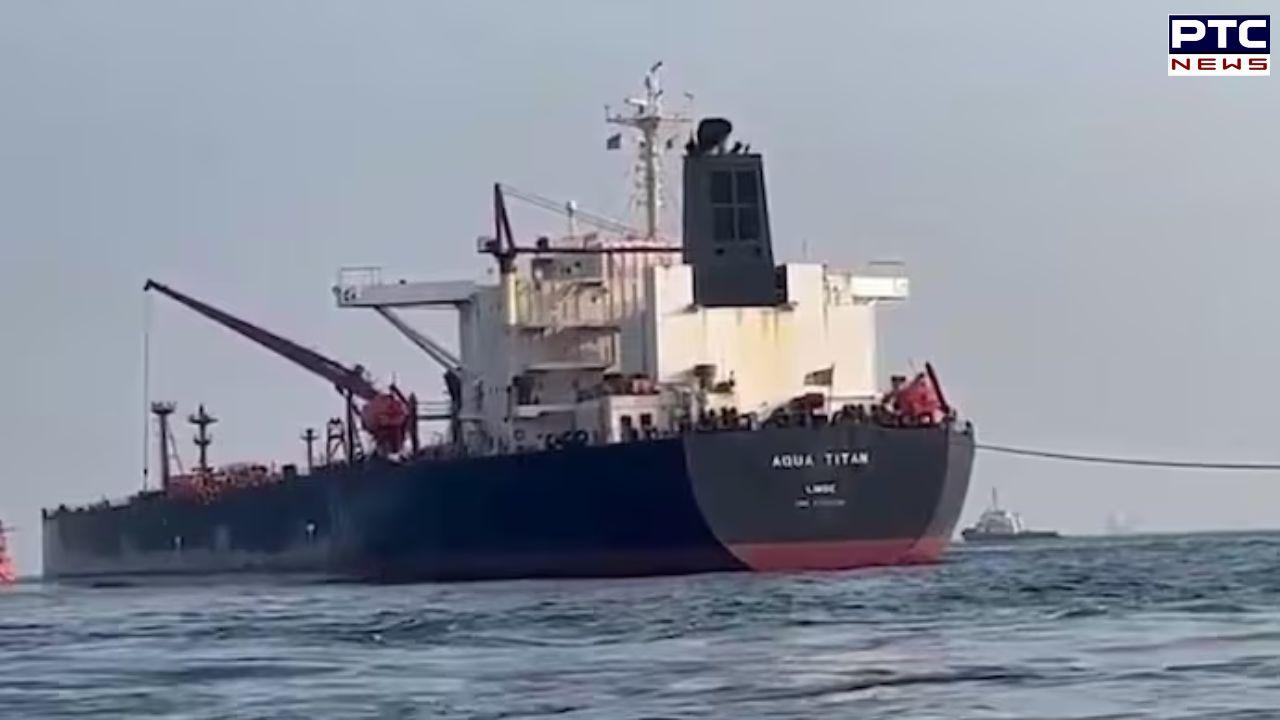
Why India is under the scanner
India's oil trade with Russia has been growing fast. In June 2026, India imported a record 2.61 million barrels per day of Russian crude, accounting for 52.4% of its total oil imports, meaning more than half of every barrel entering the country came from Russia. That figure marks a nearly 39% jump compared to May, cementing Russia's position as India's top oil supplier.
Europe gets some relief
The Bill doesn't apply evenly across the board. While countries like China, France, Japan, Hungary and Belgium are also named for buying Russian gas, 15 European nations have been granted exemptions. The reasoning: these countries import less than 15% of their gas needs from Russia and are actively working to cut that dependency further. Democratic Senator Richard Blumenthal, one of the Bill's sponsors, clarified that the legislation isn't aimed at European allies. Its real target is countries still providing Russia's oil trade with the most financial support.
Also Read | IIT Kanpur study on E20 fuel: No evidence of engine damage, mileage impact minimal | FAQs
Also Read | Diet Coke fixed a woman's stomach blockage caused by weight-loss drug, says a case report
What makes this bill notable is the support it has drawn from both Republicans and Democrats, a rare occurrence in a deeply divided US Congress. Such bipartisan backing significantly improves its chances of passing. However, it still needs approval from both the Senate and the House of Representatives, followed by the President's signature, before it can become law. So far, 26 senators have backed it, with more support expected. The Bill was originally introduced in April 2025 by Republican Senator Lindsey Graham and Blumenthal. Graham passed away on July 11 and President Donald Trump has said pushing this Bill forward was one of Graham's priorities, framing its progress as a tribute to him. The Bill also gives Trump discretionary power to waive these tariffs or sanctions if he deems it in America's national interest.
Why a new law was needed
Trump had earlier imposed tariffs on several countries citing the 1977 International Emergency Economic Powers Act (IEEPA). But on February 20, 2026, the US Supreme Court ruled that IEEPA doesn't actually grant the President authority to impose tariffs, that power rests primarily with Congress. This ruling is what pushed lawmakers to draft fresh legislation to formally hand the President tariff powers.
What a 100% tariff could mean for India
The US is India's biggest export market, absorbing roughly Rs 6.5 lakh crore worth of goods annually. A 100% tariff would double prices on Indian goods there, likely crushing demand.
India saves around Rs 60,000 crore a year by buying discounted Russian oil, but losing access to the US market could cost 10 times that amount.
Roughly Rs 2.1 lakh crore worth of textile, gem, and pharmaceutical exports to the US could grind to a halt, potentially affecting 15–20 lakh workers. A drop in exports would also squeeze dollar inflows, putting pressure on the rupee.