Yashwant Varma cash row: Parliamentary panel finds all charges true, removal motion likely
Parliamentary inquiry panel finds all three charges against Justice Yashwant Varma proved in the cash-at-residence case, setting up a possible removal motion in Parliament
PTC Web Desk: A parliamentary panel looking into the cash-recovery controversy involving former Delhi High Court judge Yashwant Varma has concluded that all three charges against him stand proved. The three-member committee has said a large amount of unexplained cash was found inside his official residence, that evidence from the spot was not handled properly and that his answers about the whole episode were vague and unconvincing.
Case dates back to March 2025
The case goes back to March 14, 2025, when a fire broke out at Varma's official bungalow on Tughlak Crescent in Delhi. While putting out the flames, firefighters reportedly stumbled upon piles of currency notes inside a storeroom, with some stacks said to be over a foot and a half tall. News of the discovery spread quickly and forced then Chief Justice Sanjiv Khanna to order an internal probe. Varma was soon moved out of the Delhi High Court to the Allahabad High Court and he was stripped of judicial duties while the investigation continued.
Also Read | Chandigarh cash langar goes viral: Man distributes Rs 500 notes, burgers and cold drinks outside temple; who's behind it
Also Read | Gurjit Singh Toot dies: International kabaddi player’s death shocks Punjab
Speaker Om Birla set up the inquiry committee under the Judges (Inquiry) Act, 1968, after a motion demanding Varma's removal was accepted in the Lok Sabha. The panel met for the first time on September 17 and finalised the charges against him by November 26.
The first charge dealt with the money itself. The committee's report describes finding not a handful of notes but organised bundles and heaps of Rs 500 currency inside the storeroom. Investigators say Varma was unable to give a convincing account of where the money had come from, who it belonged to or why it was sitting in a room on his premises. His argument that the storeroom wasn't really his responsibility was also turned down. The panel held that it was part of his official residence and therefore under his charge.
The second charge focused on how the scene was handled once the fire was out. According to the findings, the storeroom wasn't sealed off right away and cleaning happened there after emergency crews had already left. By the time investigators arrived to examine the room formally, the cash was gone. The report notes that Varma's private secretary and a household staffer were around the storeroom during this cleanup, though the committee did not say Varma personally took the money away.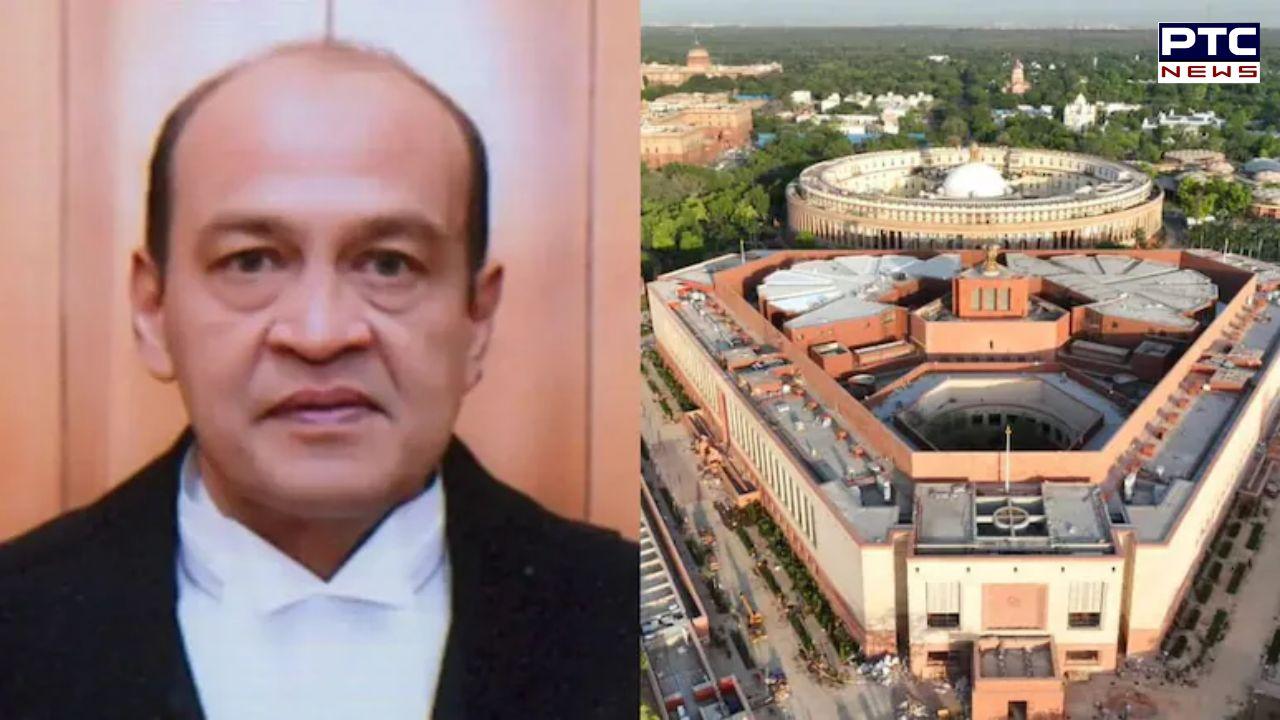
The third charge was about how Varma responded during the inquiry. The panel felt his explanations dodged the core questions like where the money came from, who owned it and what happened to it afterward, and called his answers evasive and misleading in their effect.
Why no one knows the exact amount
One detail that stands out is that nobody actually knows how much cash was recovered. Because the notes were never officially seized, counted or catalogued at the scene, investigators could only confirm that a large volume of Rs 500 notes was present, not put a number on it.
Varma's defence
Throughout the inquiry, Varma denied that any cash was found at his residence. He said he was not present when the fire broke out and was not among the first people to reach the spot. He argued that other officials were in charge of the premises at that time.
His team also raised several possibilities, including a possible conspiracy, planted cash, fake currency notes or the possibility that the money was taken away by people who arrived at the scene first. However, the committee said there was no evidence to support these claims. No witnesses or written statements were presented in Varma's defence.
Varma later stopped taking part in the proceedings after the other side had completed its arguments and questioned the witnesses.
He had also challenged the formation of the inquiry committee in the Supreme Court. However, the court rejected his plea in January 2026, allowing the inquiry to continue.
The committee then heard officials, including several people who were among the first to reach the scene. Their statements and cross-examinations continued until mid-March with the evidence stage ending on March 17.
Proved, but not a conviction
It is important to understand what the committee's finding means. The committee has said that the charges against Varma are proved for the purpose of the parliamentary removal process. However, this does not mean that a criminal court has found him guilty.
The committee also did not say that the cash definitely belonged to Varma. Instead, it found that unexplained money was found in a place under his control, that he could not properly explain where the money came from, and that evidence related to the incident was not preserved properly.
In simple terms, the committee's findings may support removal proceedings, but they are not the same as a criminal conviction.
What happens next
The case has taken another turn because Justice Varma had already resigned as a judge of the Allahabad High Court in April, while the inquiry was still underway. A judge's resignation does not require formal approval from the President. Because of this, many believed that the removal process would no longer be needed. However, the inquiry committee has now found all the charges against Varma to be proved, making the situation more complicated.
Government sources say that a removal motion could still be brought in Parliament during the Winter Session. Adding to the confusion, Varma's name is still listed among the judges of the Allahabad High Court. This has led to an unusual constitutional question: Can Parliament continue with removal proceedings against a judge who has resigned but whose name is still on the court's official list?
If the government decides to proceed, the inquiry committee's report is likely to be used as the basis for the removal motion. Varma would also get another opportunity to present his side of the case.