Jharkhand: Students begin Assembly gherao, break barricades and move forward; BJP MLAs stage protest outside CM house





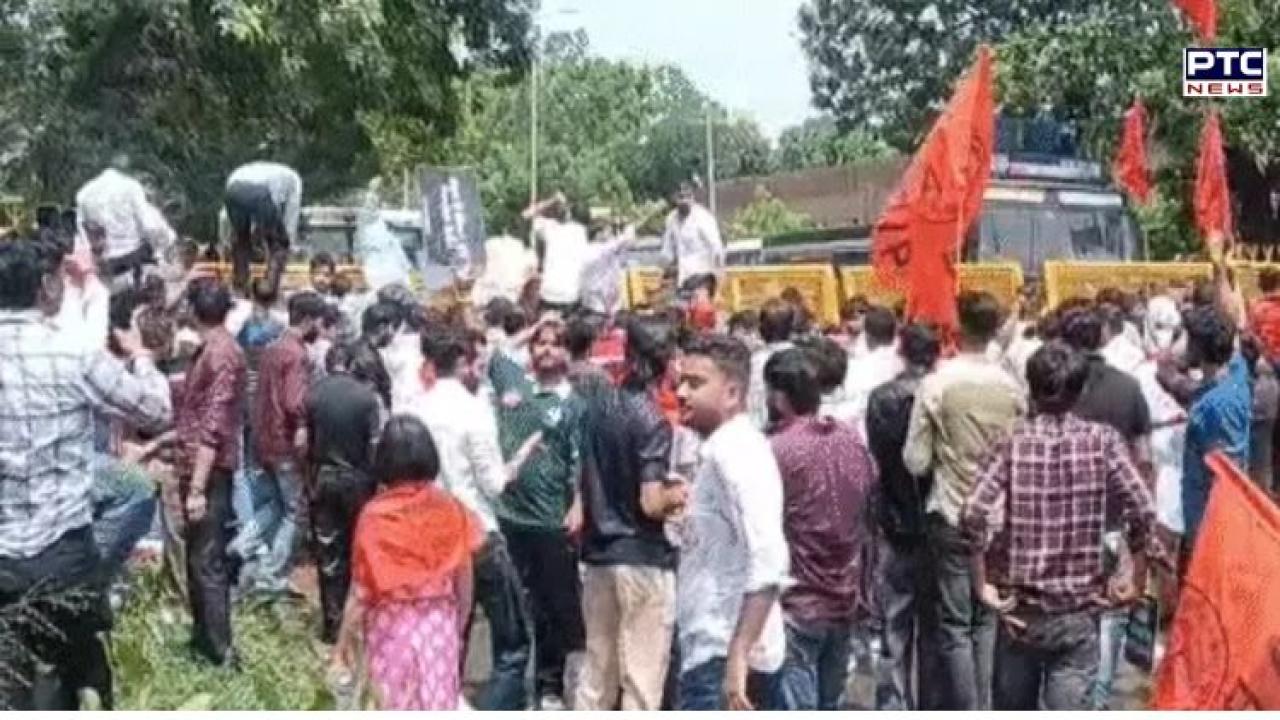
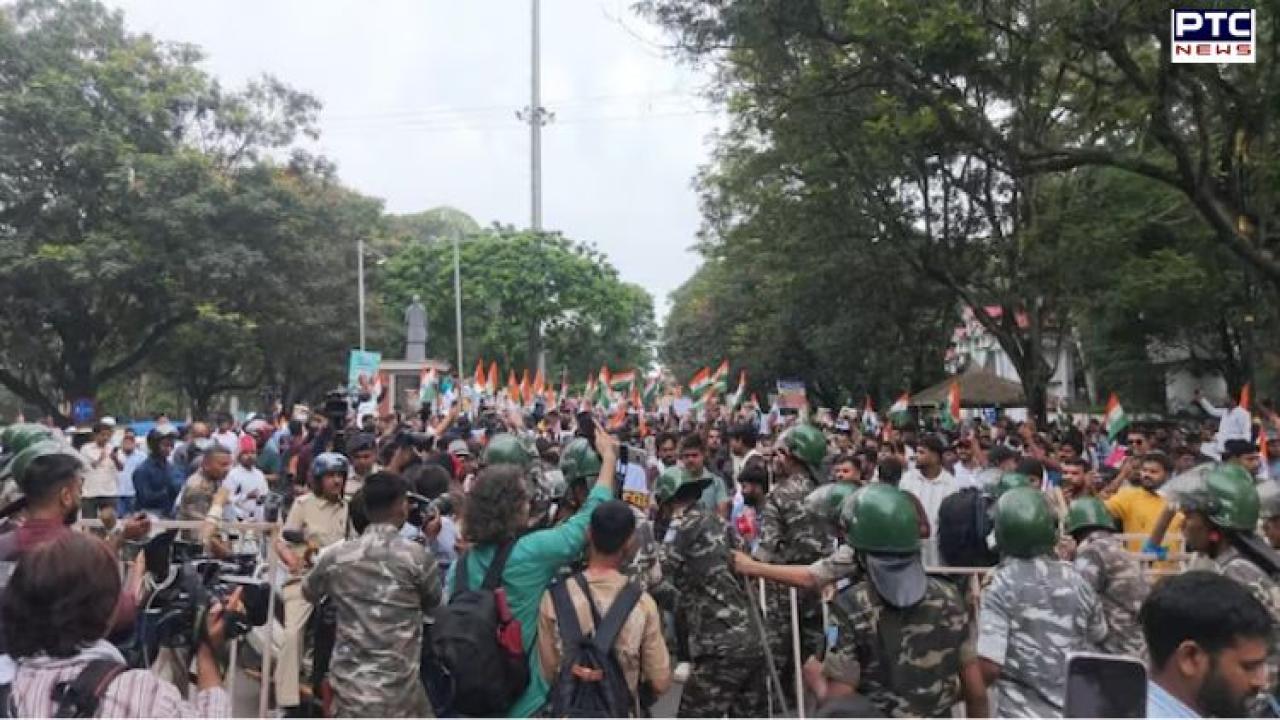
Ranchi: Tensions escalated sharply in Jharkhand's capital on Monday as thousands of student protesters broke through police barricades and pushed their way toward the state Assembly, rejecting the government's latest attempts to resolve a bitter dispute over alleged manipulation in public service recruitment exams.
The demonstration, which had been simmering for nearly two weeks, boiled over after talks between agitating students and state officials collapsed without any breakthrough. What followed was one of the most dramatic protest marches Ranchi has witnessed in recent years.
#WATCH | JPSC-JSSC alleged irregularities | Ranchi, Jharkhand: A student participating in Vidhan Sabha gherao march, says, "We have been stopped here but we will head towards the Vidhan Sabha peacefully. Until our demands are met, we will not stop. We demand that JSSC-CGL exam be… pic.twitter.com/yLstWDL94n — ANI (@ANI) August 10, 2026
The scale of the mobilisation became evident well before sunrise. More than 5,000 students had already assembled at the Jaipal Singh Munda Stadium overnight, setting the stage for what would become a massive show of strength. By the time morning broke, the crowd had multiplied several times over, with student groups pouring in from across the state and converging near the Old Assembly building before setting off on their march toward the New Assembly complex.
Eyewitness accounts from the protest site described a determined but disciplined crowd. One student participating in the march indicated that demonstrators intended to move forward together while keeping the protest peaceful and avoiding disruption to the general public.
#WATCH | Ranchi, Jharkhand: Student leader Ravindra Paswan says, "All of us are gathering at the Old Vidhan Sabha. We will begin our march from there in a very peaceful and constitutional manner. I would like to appeal to all the students to do this in a very peaceful and… https://t.co/egio64RHiH pic.twitter.com/iWInNjli2O — ANI (@ANI) August 10, 2026
Barricades fall as protesters push forward
Despite heavy security arrangements, students managed to breach police barricades near the Old Assembly building and continued their advance toward the New Assembly. Another protester on the ground said the agitation would not let up until core demands were met, chiefly the cancellation of the JSSC-CGL examination and a Central Bureau of Investigation probe into the alleged irregularities.
Adding a dramatic turn to the proceedings, JPSC protest leader Devendra Nath Mahto reportedly left for the Assembly in an ambulance even as the march was underway.
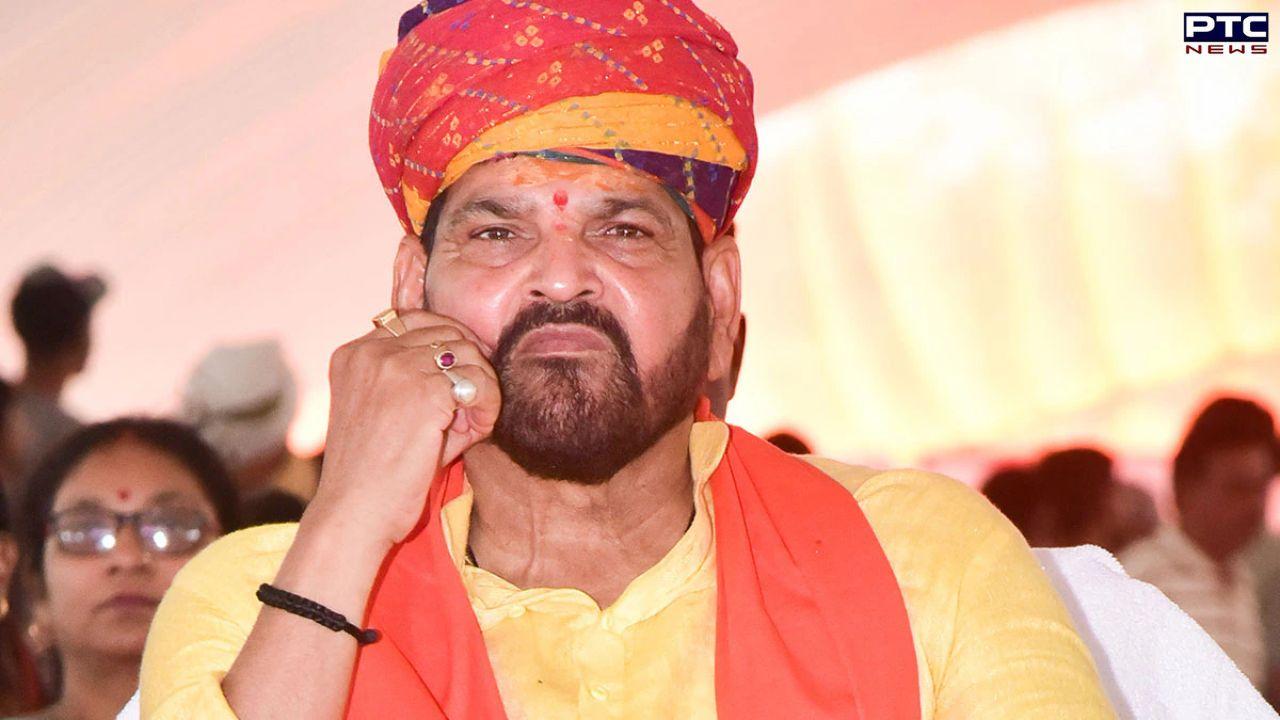
Also Read | Brij Bhushan sexual harassment case: Delhi court calls allegations 'false, politically motivated'
The student movement has increasingly drawn political weight. BJP legislators staged a sit-in outside Chief Minister Hemant Soren's residence in solidarity with the protesting students, only to be detained and removed by police shortly afterward.
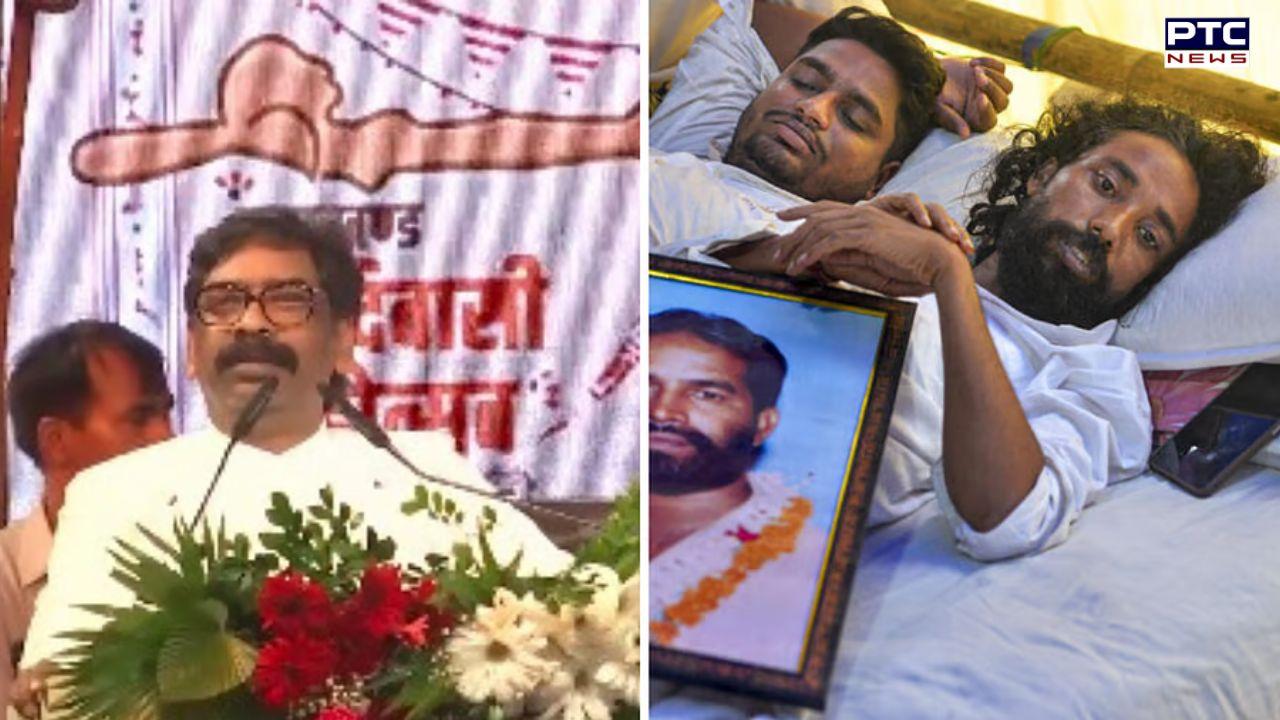
Former Chief Minister and Leader of Opposition Babulal Marandi, joined by BJP leader Aditya Sahu, led party workers in a separate demonstration outside the CM's residence, pressing for a CBI investigation into alleged irregularities across the JPSC, JSSC and CGL examinations. Marandi accused the state government of shifting public attention away from the students' grievances instead of engaging with them directly, and pointed out that many of the protesting students had already been on hunger strike at the stadium for close to two weeks.
Meanwhile, Jharkhand Loktantrik Krantikari Morcha (JLKM) MLA Jairam Kumar Mahato weighed in as well, acknowledging that the state government had conceded to several of the students' demands but insisting that scrapping the JSSC-CGL exam remained non-negotiable, given what he described as the most serious irregularities being tied to that particular test.
Anticipating large-scale unrest, the administration rolled out an extensive security blueprint across the city. Authorities strung concertina wire at strategic points and invoked Section 163 of the Bharatiya Nyaya Sanhita (BNS) to restrict unlawful assembly. A six-layer security cordon was put in place, backed by round-the-clock CCTV surveillance.
The main gate of the Assembly building was fortified with heavy barricading, while water cannons were stationed within a two-km radius to manage any escalation. Additional police reinforcements were drafted in from neighbouring districts to bolster the local force, reflecting the administration's concern over the protest's scale and unpredictability.
- With inputs from agencies