Beant Singh killing was personal rivalry, not terrorism: RVS Manis explosive claim
Ex-Home Ministry officer RVS Mani claims the Beant Singh assassination was rooted in personal rivalry, not terrorism, citing a Chandigarh court judge's remarks. Full story & video
PTC Web Desk: A fresh controversy has erupted around one of Punjab's most infamous political killings, after a former Union Home Ministry officer suggested that the 1995 assassination of then Punjab Chief Minister Beant Singh may not have been a terror strike at all, but the outcome of a personal feud.
RVS Mani, who once served as Under Secretary in the Ministry of Home Affairs, made the remarks during a conversation with news agency ANI. According to Mani, he was the sole witness representing the Government of India in the case and he was present for the court proceedings held inside Chandigarh's jail premises.
Judge himself raised doubts, says Mani
Recounting his experience in the court, Mani said the presiding judge had, during the hearing, remarked that the case looked less like an act of terrorism and more like a straightforward assassination carried out over personal enmity. Mani said the judge's observation stemmed from testimony and evidence suggesting the killing was rooted in a rivalry between Beant Singh and a woman who worked as his junior colleague.
Mani alleged that this junior colleague had allegedly arranged for a terrorist to carry out the killing, implying that the attack, while executed using terror networks, was actually driven by a personal motive rather than an ideological or separatist one.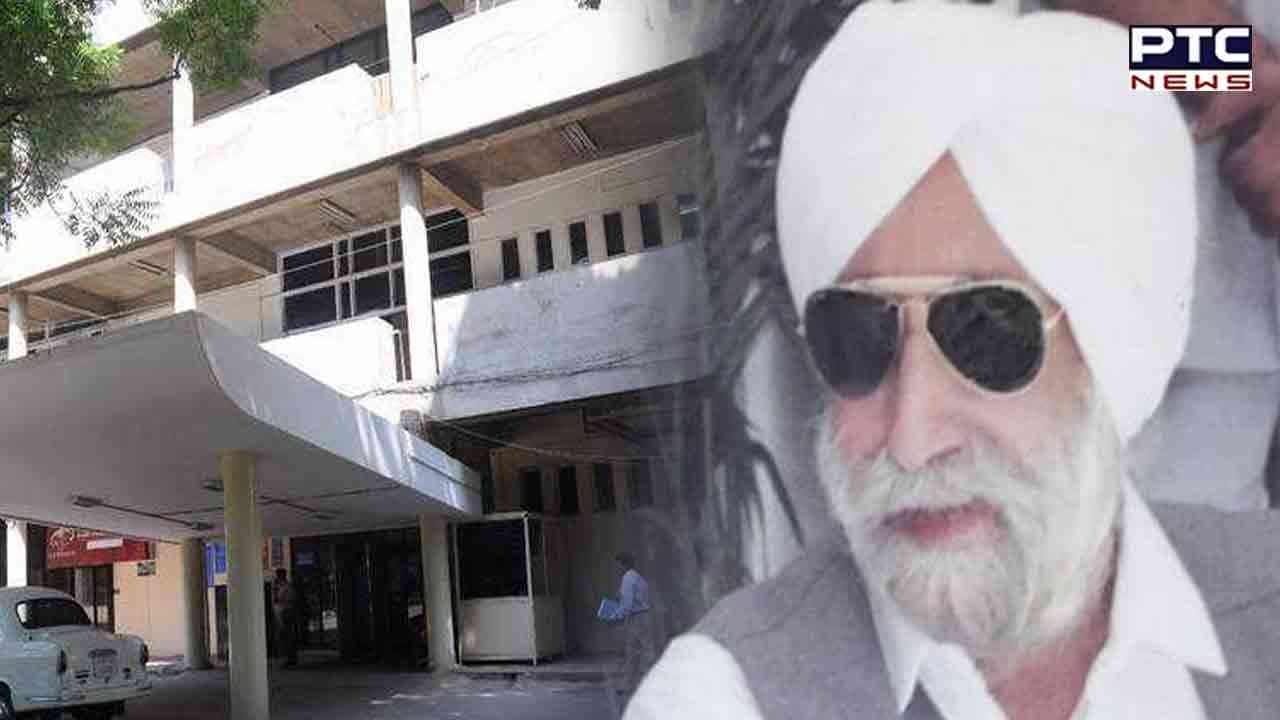
What actually happened on August 31, 1995
Beant Singh, then serving as Punjab's Chief Minister, was killed in a powerful bomb blast at the Punjab Civil Secretariat in Chandigarh on August 31, 1995. At least 17 other persons , including three commandos, also lost their lives in the explosion. Investigators later established that Dilawar Singh Babbar, linked to Babbar Khalsa International, was the suicide bomber, while Balwant Singh Rajoana, who had been lined up as the backup bomber, was convicted separately and has remained on death row since a Chandigarh court handed him the sentence in 2012. American authorities have also named the Khalistan Commando Force as having a role in the conspiracy.
For three decades, the killing has been officially treated as an act of militancy tied to the insurgency that gripped Punjab through the late 1980s and early 1990s. Mani's claim that the courtroom conversation pointed instead to a personal motive is likely to reignite debate over how the case has been understood and reported all these years.
Also Read | Tarsem Jassar's Dastaar still awaiting Censor certificate days before its July 17 release; and it's not first Punjabi film to face this | Exclusive
Also Read | Chandipura virus outbreak in Gujarat: Symptoms, treatment & who's at risk | FAQs
Mani's track record of explosive claims
This isn't the first time RVS Mani has stirred debate with his remarks on sensitive security cases. In recent conversations, he has also spoken about the Ishrat Jahan encounter case, claiming it was projected as a conspiracy targeting top political leaders and has alleged a "fixed match" between political actors and Pakistan's intelligence establishment over how certain terror incidents, including the Samjhauta Express blast, were narrated publicly. He has also suggested that had 26/11 gunman Ajmal Kasab not been caught alive, that attack too might have been mischaracterised.
Given Mani's history of raising uncomfortable questions about how terror cases were probed and reported, his latest remarks on the Beant Singh case are expected to draw sharp reactions from political parties, security analysts and Punjab watchers alike.
Watch the full video for RVS Mani's complete remarks