Swine flu scare: Why Delhi is seeing uptick in H1N1 cases; symptoms to watch out for and how to stay safe





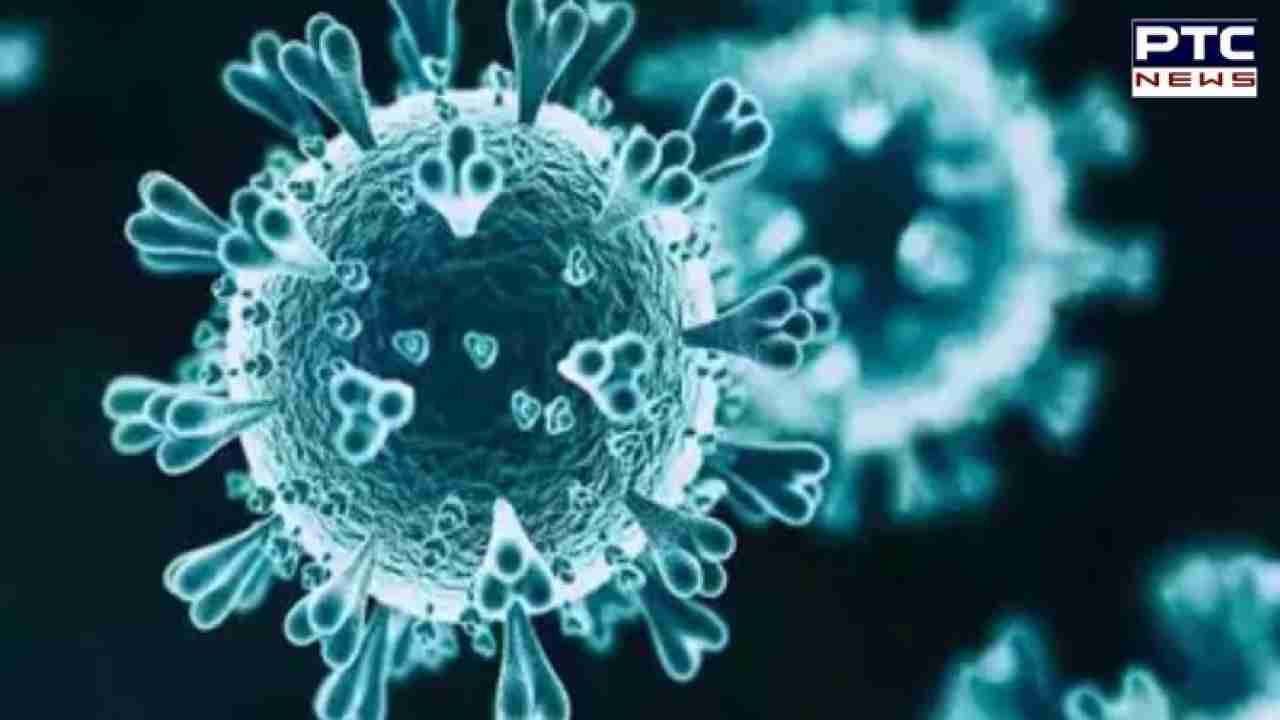
PTC Web Desk: Delhi-NCR is witnessing an increase in Influenza A (H1N1) cases, commonly referred to as swine flu. Health authorities and medical experts have advised people to pay attention to flu-like symptoms and seek medical help if they persist or become severe.
According to Delhi health department data, the capital has reported 2,392 Influenza-A cases this year, of which 1,777 were H1N1 infections. On Thursday alone, 114 H1N1 cases were recorded.
The government has urged residents to remain alert and follow basic precautions to reduce the spread of the infection.
The symptoms of H1N1 are often similar to those of seasonal influenza. The Ministry of Health has listed several common signs, including:
Doctors say some patients may also experience cold, watery eyes and general weakness. Experts say H1N1 infections have been particularly noticeable in Delhi-NCR this year. They attributed the increase, among other factors, to prevailing weather conditions, including high temperatures and humidity.
Doctors are of the view that most patients experience relatively mild symptoms such as fever, sore throat and cough. However, body aches and cough may continue for several weeks in some cases.
Swine flu (H1N1) can show up through symptoms such as fever, cough, sore throat, headache, runny nose, body aches and fatigue.
— Ministry of Health (@MoHFW_INDIA) August 22, 2026
Recognise the signs early and don’t ignore persistent symptoms. If you experience these symptoms, seek medical advice at your nearest healthcare centre.… pic.twitter.com/9ephVereZ5
H1N1 is a respiratory infection and can spread from an infected person to others. Experts have recommended maintaining good hand hygiene and using a mask when appropriate, particularly in crowded or high-risk settings.
People who test positive should follow medical advice and remain isolated as recommended to reduce the risk of passing the infection to others.
Timely testing can also help in identifying infections and starting appropriate treatment, particularly among people who are more vulnerable to complications.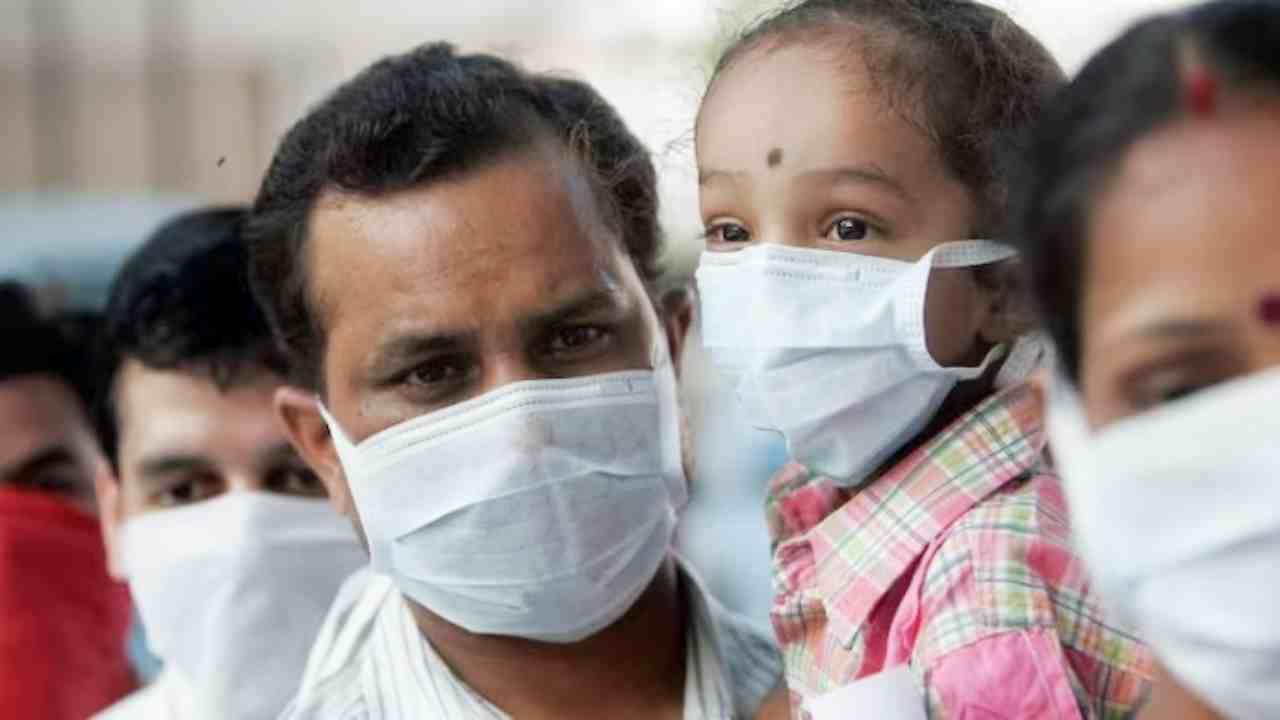
People with weakened immunity, older adults and those living with underlying health conditions may face a higher risk of developing complications.
Experts have advised people in these groups to consult a doctor promptly if they develop flu-like symptoms rather than delaying medical care.
Yes. Doctors say most H1N1 infections are mild and improve with appropriate supportive care. In some cases, doctors may prescribe antiviral medication, particularly when treatment is started early or when a patient is at greater risk of complications.
While many patients recover without hospitalisation, elderly people and those in high-risk groups may require closer monitoring or hospital care if their condition worsens.
Delhi health authorities have said arrangements are being monitored and hospitals are being strengthened as required to manage the seasonal increase in infections.
Also Read | Delhi-NCR H1N1 cases surge six-fold: Swine flu spreads as doctors warn of rising respiratory infections
- With inputs from agencies