H1N1 spreads tentacles in Delhi; CM calls emergency meeting as 3,000 cases reported so far





PTC Web Desk: Delhi Health Minister Pankaj Singh on Tuesday said the H1N1 situation in the national capital remains under control, with hospitals having enough doctors, medicines and other necessary facilities.
The statement came after Delhi Chief Minister Rekha Gupta held an emergency meeting to review the rising number of H1N1 cases in the city. Delhi has recorded around 3,000 influenza cases this year, including 2,308 confirmed H1N1 infections.
Speaking to reporters after a review meeting with senior officials from the Health Department, MCD, NDMC and Delhi Cantonment Board, Pankaj Singh said hospitals across Delhi have been prepared to handle patients requiring care.
Dedicated isolation wards for H1N1 patients have been arranged at hospitals, he said. The minister warned that strict action would be taken if any hospital refused admission or denied a bed to a patient who required hospital care.
“There is no shortage of doctors, staff or medicines,” he said, adding that the government was closely monitoring the situation.
H1N1, commonly known as swine flu, can cause symptoms similar to seasonal influenza. Common symptoms include:
Fever
Cough
Sore throat
Headache
Runny nose
Body aches
Tiredness or weakness
Some people may also experience watery eyes, chills and general weakness. In many cases, symptoms remain mild and improve with rest and appropriate medical care.
However, cough, tiredness and body aches can sometimes continue for several days or even weeks after the initial infection.
H1N1 is a respiratory infection and can spread when an infected person coughs or sneezes. Close contact with an infected person can also increase the chances of transmission.
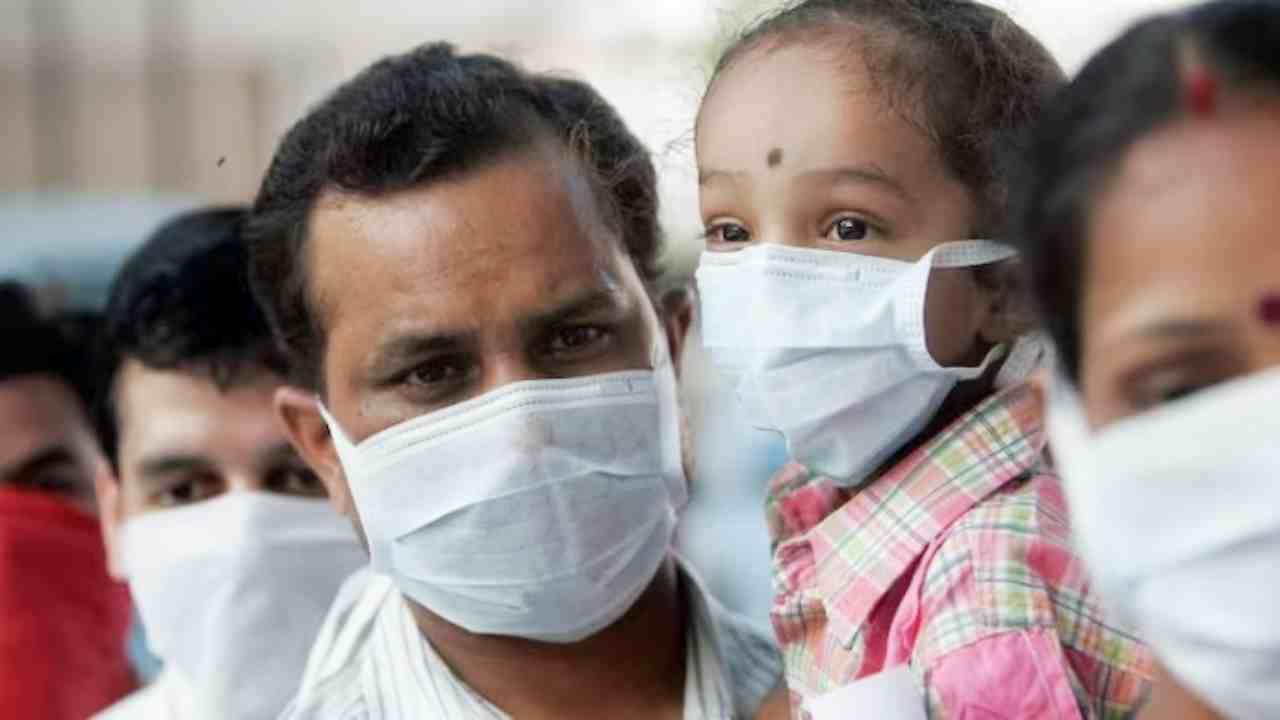
Health experts generally recommend regular handwashing, covering the mouth and nose while coughing or sneezing, and wearing a mask in crowded or high-risk settings when necessary.
People who are diagnosed with H1N1 should follow their doctor's advice and take appropriate precautions to avoid spreading the infection to others.
While many people recover without serious complications, certain groups need to be more cautious.
Older adults, people with weakened immunity and those with underlying health conditions may have a greater risk of developing severe illness.
Such individuals should seek medical advice promptly if they develop flu-like symptoms, particularly if the symptoms become severe or worsen.
Yes, H1N1 can be treated. Most cases are mild and improve with supportive care such as adequate rest, fluids and medicines recommended by a doctor.
Doctors may prescribe antiviral medicines in certain cases, especially when treatment is started early or when a patient is considered to be at higher risk of complications.
Hospitalisation may be required if a patient's condition becomes serious or if they develop complications.
Delhi health authorities have said hospitals and other civic agencies are keeping a close watch on the situation and will strengthen arrangements if required as the number of influenza cases continues to rise.
- PTC NEWS