New PUC rules: BS-VI cars get 3-year certificate, but not every owner qualifies | Check your queries



PTC Web Desk: The Centre has changed how often vehicles need a pollution check. Newer, cleaner vehicles get longer gaps. Older ones will be tested more often.
If you own a fairly new petrol or diesel car or bike, you may not have to visit a PUC centre every year anymore. The Centre has notified new rules that give longer validity to the cleanest vehicles. But the benefit is not for everyone and your current certificate will not change on its own.
Also Read | Centre revises PUC certificates rules: Newer BS-VI cars to have longer validity, older ones to face frequent pollution checks
What has changed?
The Ministry of Road Transport and Highways has notified the Central Motor Vehicles (Sixteenth Amendment) Rules, 2026. They replace the earlier PUC provisions under Rule 115. A draft was put out for public comments in July and the rules came into force the day they were published in the Official Gazette.
Under the new system, how long your certificate lasts depends on three things: the vehicle’s Bharat Stage (BS) emission standard, how old it is and whether it is registered for private or commercial use.
One thing to remember: age is counted from the date of first registration. It does not matter when you bought the vehicle. A second-hand car is as old as its registration date says it is.
How long will your PUC certificate be valid?
BS-VI private vehicles (cars and two-wheelers)
Up to 6 years old: 3 years
6 to 10 years old: 1 year
Over 10 years old: 6 months
BS-VI commercial vehicles (taxis, buses, trucks)
Up to 6 years old: 2 years
6 to 10 years old: 1 year
Over 10 years old: 6 months
Older emission standards (private or commercial)
BS-IV: every 6 months
BS-I, BS-II and BS-III: every 3 months
In practice, two cars of the same model can end up with different schedules if they were registered in different years. A private BS-VI car and an identical one registered as a taxi will also get different validity.
Will your current certificate get longer?
No. This is where many people may get confused.
Certificates issued before the new rules came into force will not be extended automatically. The new validity applies only when you renew for the first time after the change.
Take a four-year-old BS-VI private car whose PUC expires next month. The owner still has to renew by that date. The new certificate can then run for three years, as long as the vehicle passes the test. So do not assume the date printed on your certificate has moved.
Renewing a few days early? Nothing is lost
The rules also fix a common annoyance. If you renew within the 10 days before your certificate expires, the new one starts from the old one’s expiry date. Coming a few days early will not cut into your validity.
If you renew after the certificate has expired, the new one starts from the day you renew. The gap in between is not covered, so you could still be fined for it.
You still need to carry a valid PUC
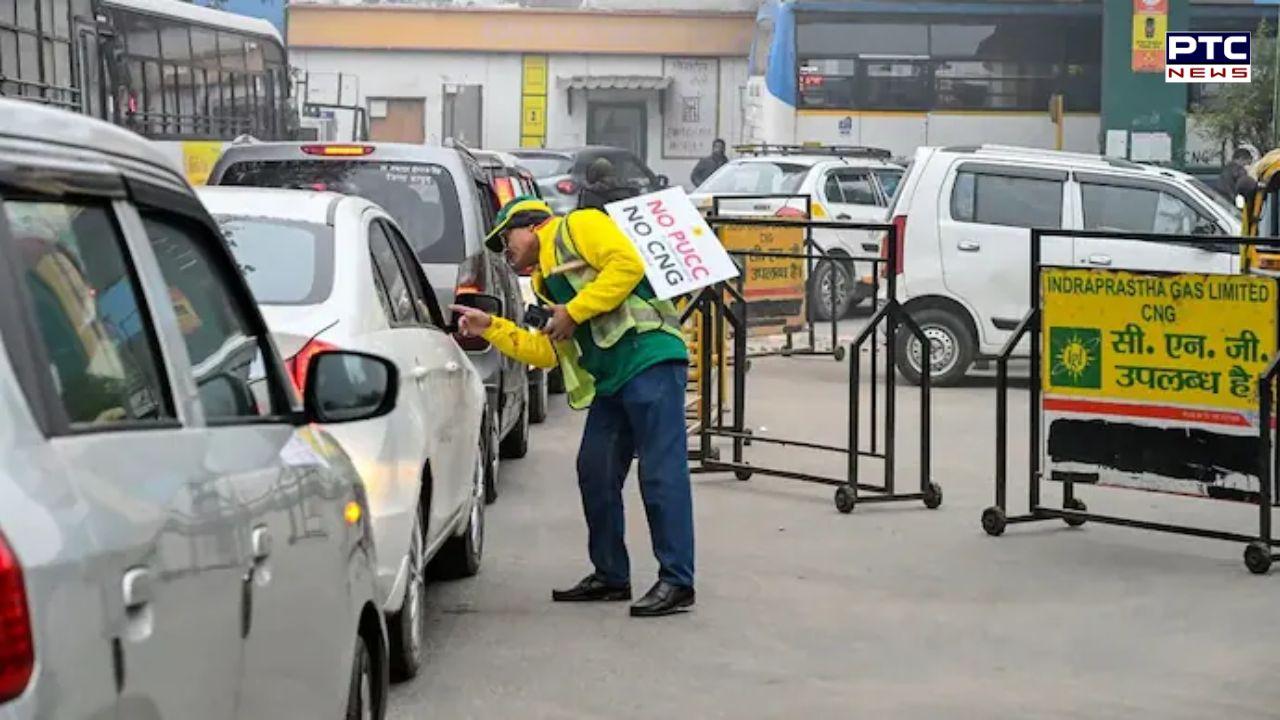
Longer validity does not mean you can skip the certificate. Every vehicle must have one, issued or renewed by a centre authorised by the state government. You have to show it when an authorised enforcement officer asks.
Checks are also getting tighter in some places. Delhi, for example, brings in stricter entry rules for vehicles in winter and even BS-VI vehicles must carry a valid PUC to enter the capital.
The ministry says the idea is simple: cut down repeat testing for newer, cleaner vehicles, and keep a closer watch on older ones.
- PTC NEWS