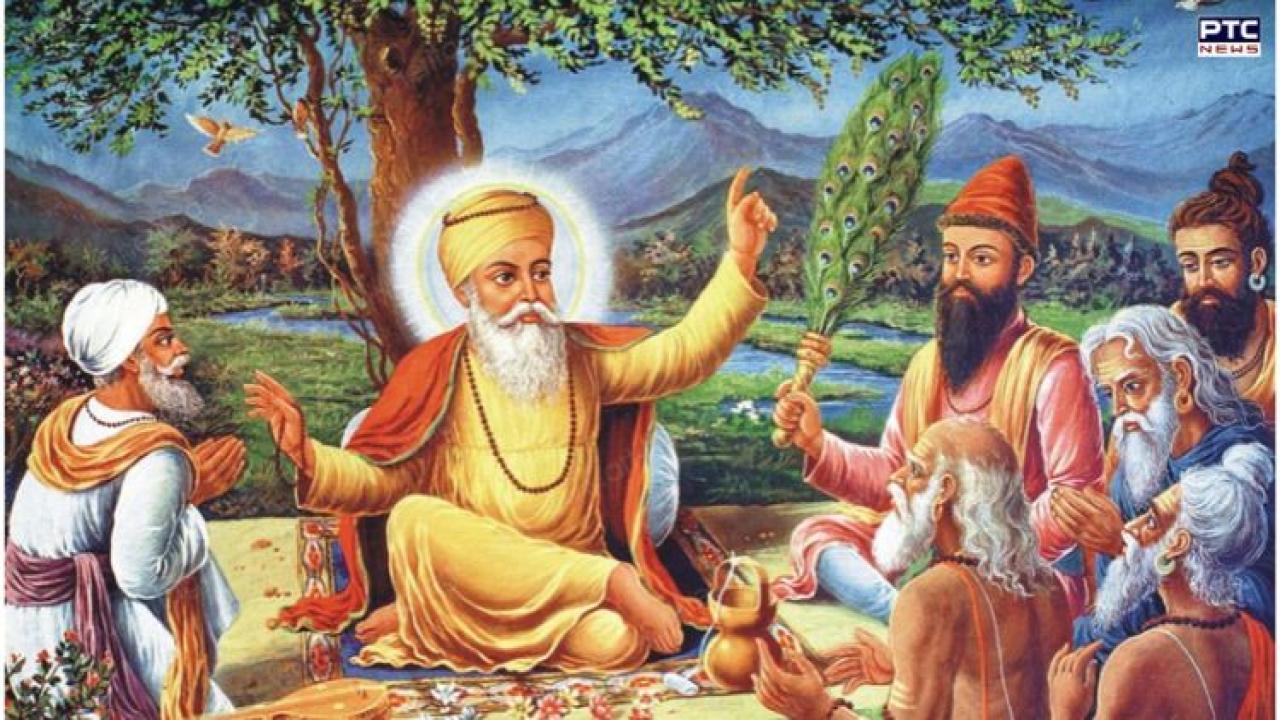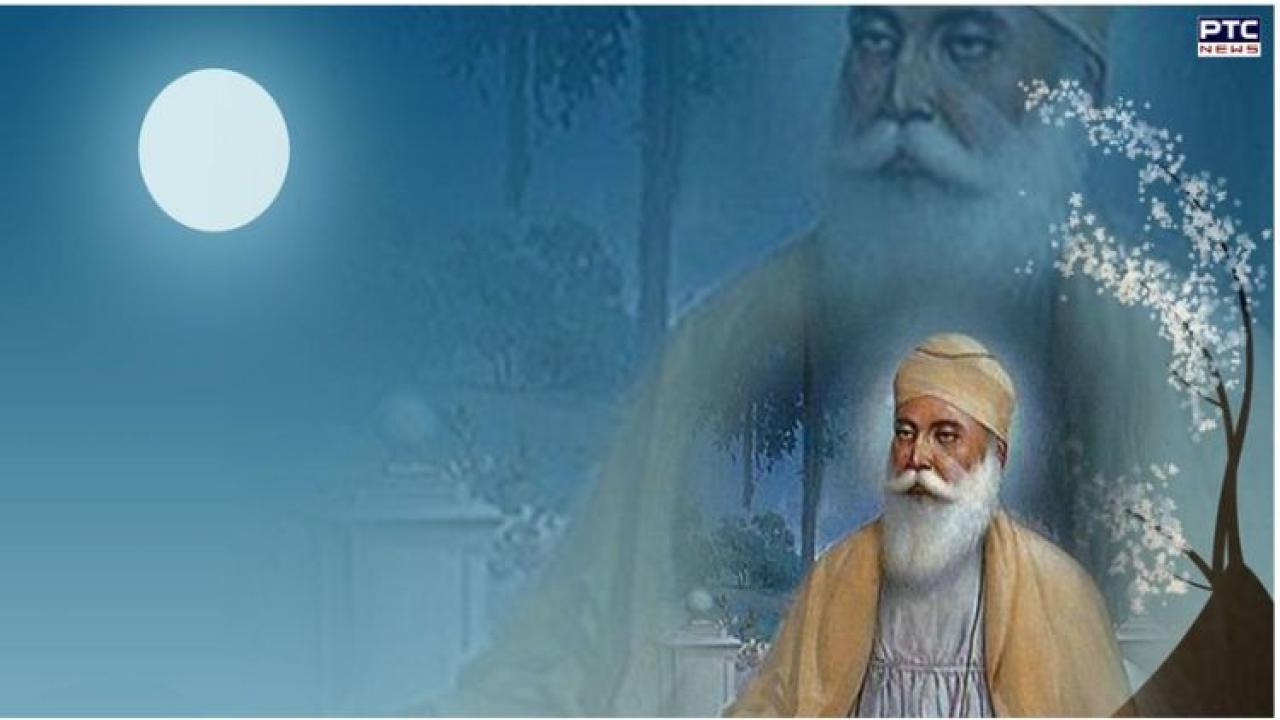
Who was Guru Nanak? 15 facts about founder of Sikhism everyone should know



PTC Web Desk: Every year on Kartik Purnima, millions of people gather at gurdwaras to mark the birth anniversary of Guru Nanak Dev Ji. Many know him as the founder of Sikhism and the man behind the langar. Fewer know the details of his life, from a village childhood to long journeys across continents.
Here are 15 facts that tell his story.
1. He was born in Talwandi
Guru Nanak Dev Ji was born in 1469 in Rai Bhoi di Talwandi, a village near Lahore. The town is now called Nankana Sahib and lies in Pakistan's Punjab province. Gurdwara Janam Asthan marks the spot.
2. His parents were Mehta Kalu and Mata Tripta
His father worked as a village revenue official and his mother, Mata Tripta, raised him in a devout household. Even as a child, he was known to ask deep questions about God and life.
3. His elder sister was among his first followers
Bebe Nanki, his elder sister, recognised his spiritual depth early and is regarded as one of the first to believe in his mission.
4. He was the first of 10 Sikh Gurus
He began a line of 10 Gurus that ended with Guru Gobind Singh Ji. The word Sikh itself comes from the term for a disciple or learner.
5. He was married and raised a family
Guru Nanak married Mata Sulakhni and had two sons, Sri Chand and Lakhmi Das. His life shows that he valued the householder's path and did not ask people to abandon family or work.
Also Read | Guru Nanak Dev Ji's 10 teachings that still matter today | Gurpurb special
6. He worked at Sultanpur Lodhi
As a young man, he moved to Sultanpur Lodhi and worked in the granary of the local governor, Daulat Khan Lodi. Accounts say he was known for his honesty and the town is now a major pilgrimage site.
7. A moment at the Bein river changed his life
Tradition says he went to bathe in the Bein river and did not return for three days. When he reappeared, he is said to have declared there was neither Hindu nor Muslim and began his spiritual mission.
8. He travelled thousands of km on foot
Over roughly two decades, Guru Nanak undertook four long journeys known as the Udasis. Traditional accounts say they took him across India and to places such as Sri Lanka, Tibet, Arabia and Baghdad. The routes are mainly known through the Janamsakhis, the traditional life stories, so details vary between sources.
9. Bhai Mardana was his lifelong companion
Bhai Mardana, a Muslim musician who played the rabab, travelled with him for years. Another companion, Bhai Bala, is also named in many accounts. Their partnership is often cited as a living example of his message of unity.
10. He founded Kartarpur
Around 1504, he established the settlement of Kartarpur on the banks of the Ravi, and he settled there for good after his travels. He lived as a farmer, working the land and welcoming visitors from all walks of life.
11. He started the langar tradition
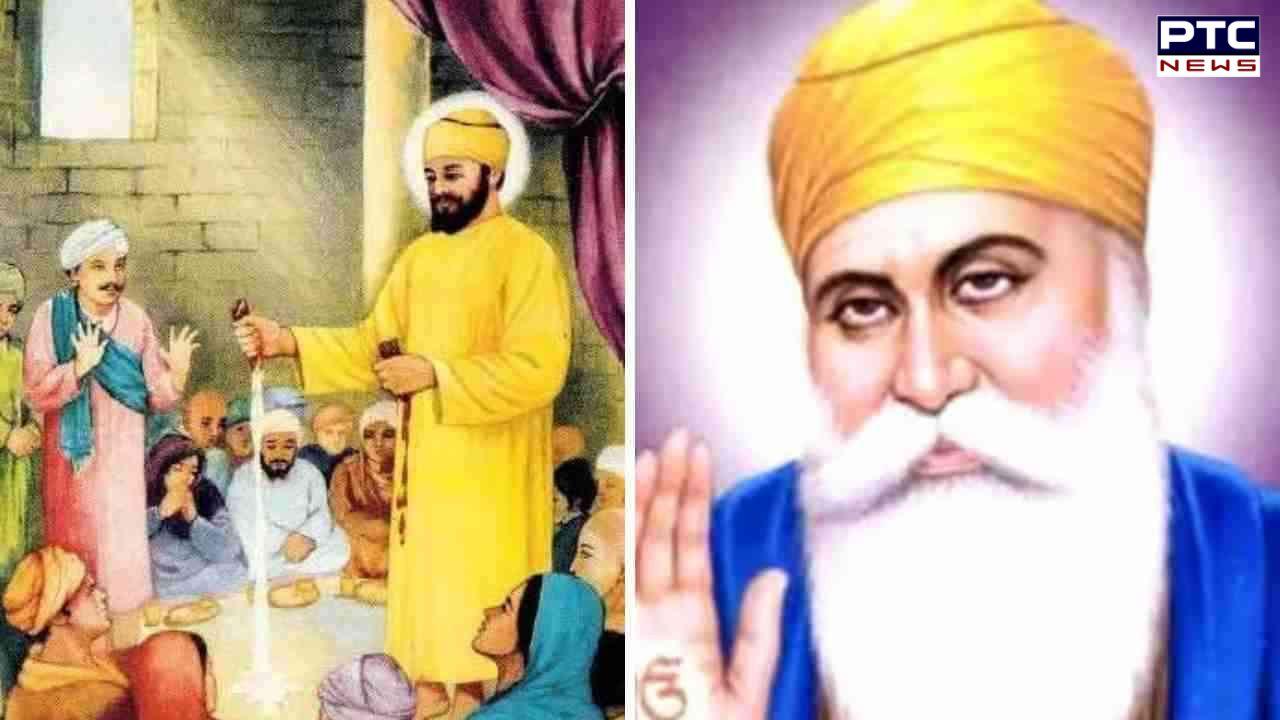
At Kartarpur, he gave shape to the practice of langar, where everyone sits together in a row and eats the same food regardless of caste, religion or status. Today the tradition runs in gurdwaras all over the world.
12. His hymns are part of Guru Granth Sahib
Guru Nanak Dev Ji composed 974 hymns, which are included in Guru Granth Sahib, the holy scripture of the Sikhs. His best-known works include Japji Sahib, Asa Di Var and Sidh Gosht.
13. He wrote about the world he saw
His verses are not only spiritual. They comment on rulers, corruption, social inequality and the suffering caused by invasion. His writings from the time of Babur's invasions are considered an important eyewitness-style record in poetry.
14. He chose a successor on merit
Before his passing, he passed Guruship to Bhai Lehna Ji, who became Guru Angad Dev Ji, after testing his devotion and service. He chose him over his own sons, setting a precedent of merit over lineage.
15. He passed away in Kartarpur in 1539
Guru Nanak Dev Ji died on September 22, 1539 at Kartarpur. Gurdwara Darbar Sahib Kartarpur now stands there in Pakistan and is linked to India's Dera Baba Nanak through the Kartarpur Corridor.
Why his life still draws people in
Guru Nanak's story is one of a householder, traveller, poet and reformer who asked people to look past division. That may explain why his birth anniversary is celebrated not only by Sikhs but by many others who see in him a message of equality, honest living and service to others.
- PTC NEWS