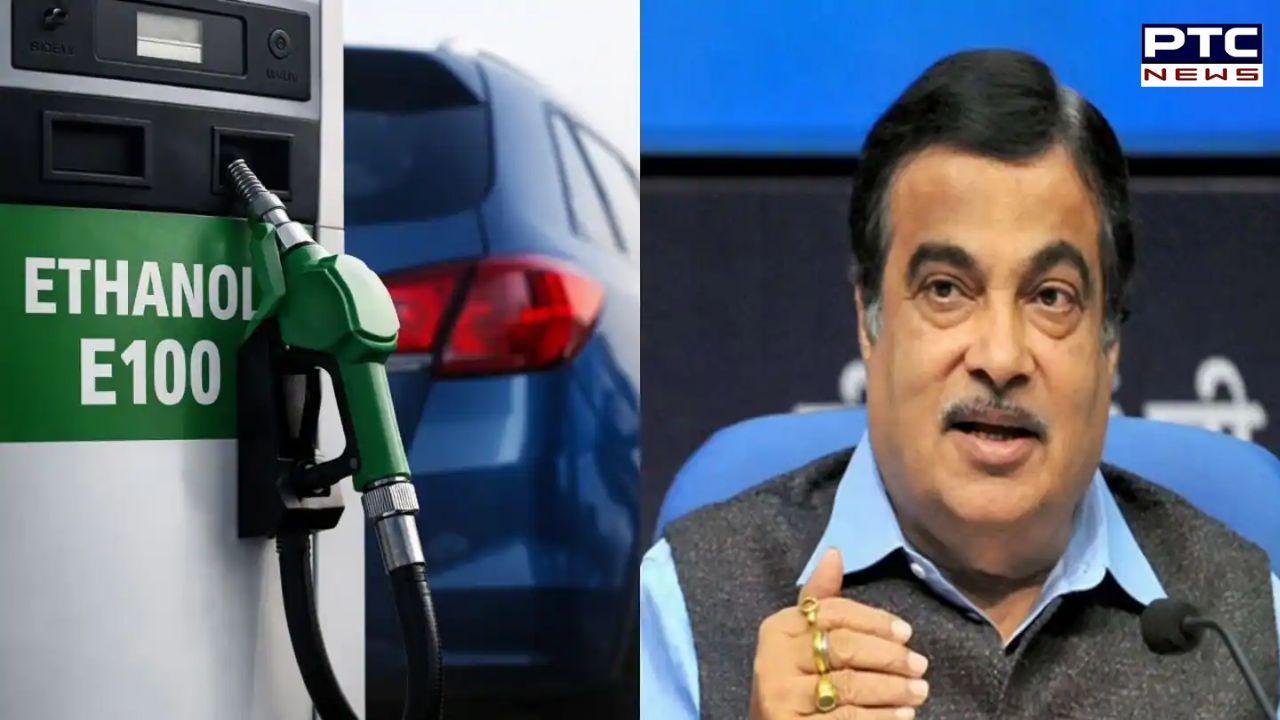
Centre defends ethanol blended petrol, says 'petrol would have hit Rs 125/litre during Iran war'





PTC News Desk: The central government has strongly defended its E20 petrol policy, saying it helped protect consumers from a much bigger fuel price hike during the recent US-Iran conflict.
Issuing its fourth clarification on the policy in a week amid criticism from some vehicle owners, the government said petrol prices could have reached Rs 125 per litre at the peak of the West Asia crisis if India had not increased ethanol blending.
In a detailed statement, the Petroleum Ministry said global crude oil prices rose to $135 per barrel during the Iran war. Prices surged after Iran blocked the Strait of Hormuz in response to US-Israeli strikes. The waterway is a key global shipping route through which around 20% of the world's oil and gas supplies pass.
According to the government, the E20 programme helped save consumers nearly Rs 30 per litre during the crisis by reducing India's dependence on imported crude oil.
"When the Indian crude basket surged to around $135 per barrel, petrol without ethanol blending was projected to cost around Rs 125 per litre in Delhi," the ministry said.
It underlined that amid the circumstances, consumers in Delhi continued to shell out just above Rs 94 per litre due to 20% ethanol blending.
"Consumers paid Rs 94.77 per litre because 20% of every litre was domestically produced ethanol... the prices were insulated from the global crude price spike," the government said.
The E20 programme, which blends 20% ethanol with 80% petrol, has faced criticism from opposition parties and some consumer groups.
Many owners of vehicles manufactured before 2023 have claimed that E20 petrol reduces mileage and increases maintenance costs. The government, however, has rejected these concerns, saying that while E20 may slightly reduce fuel efficiency, its overall benefits outweigh the drawbacks.
The government also highlighted that India imports around 85% of its crude oil, making it one of the world's largest oil importers. Reducing dependence on imported fuel, it said, helps shield the country from sudden global price shocks.
- With inputs from agencies