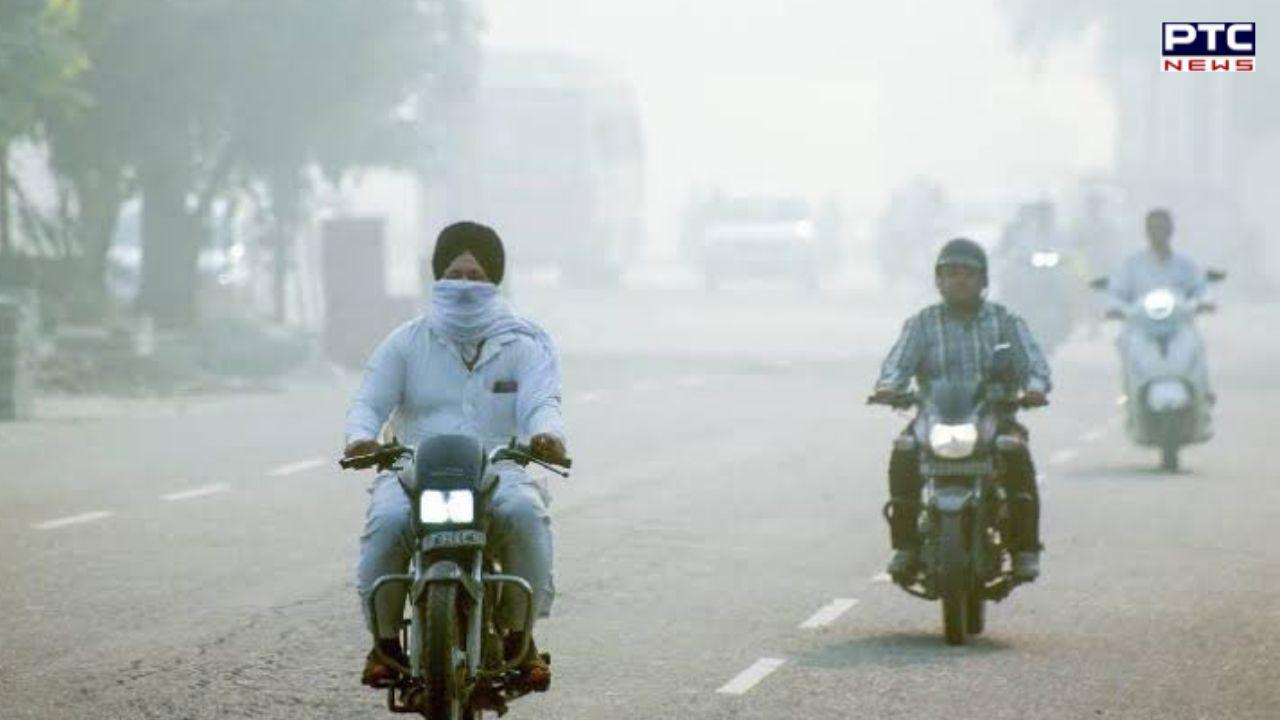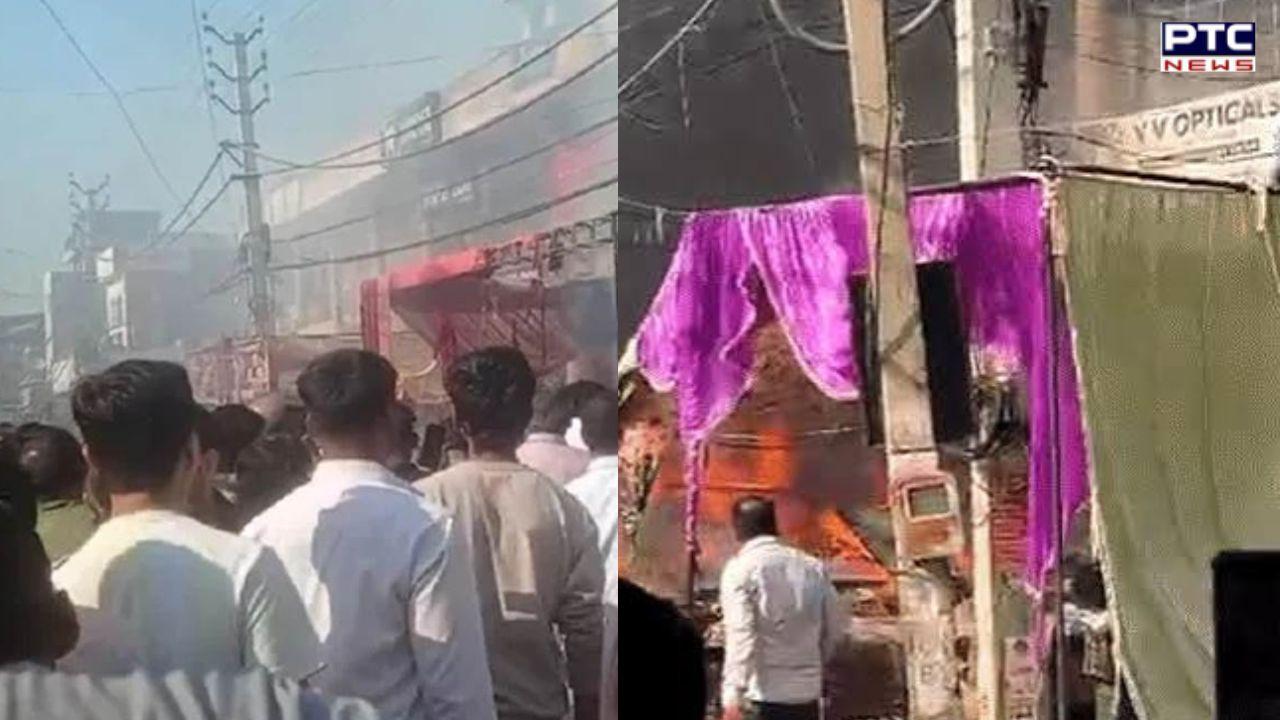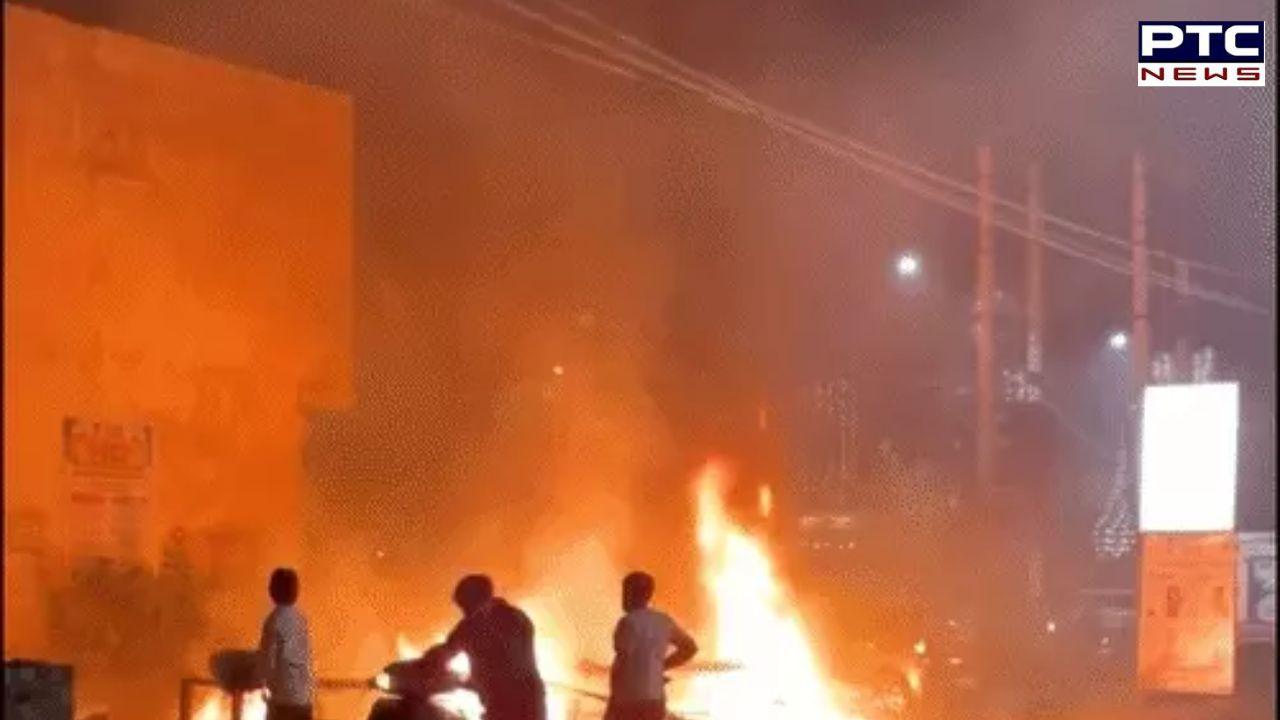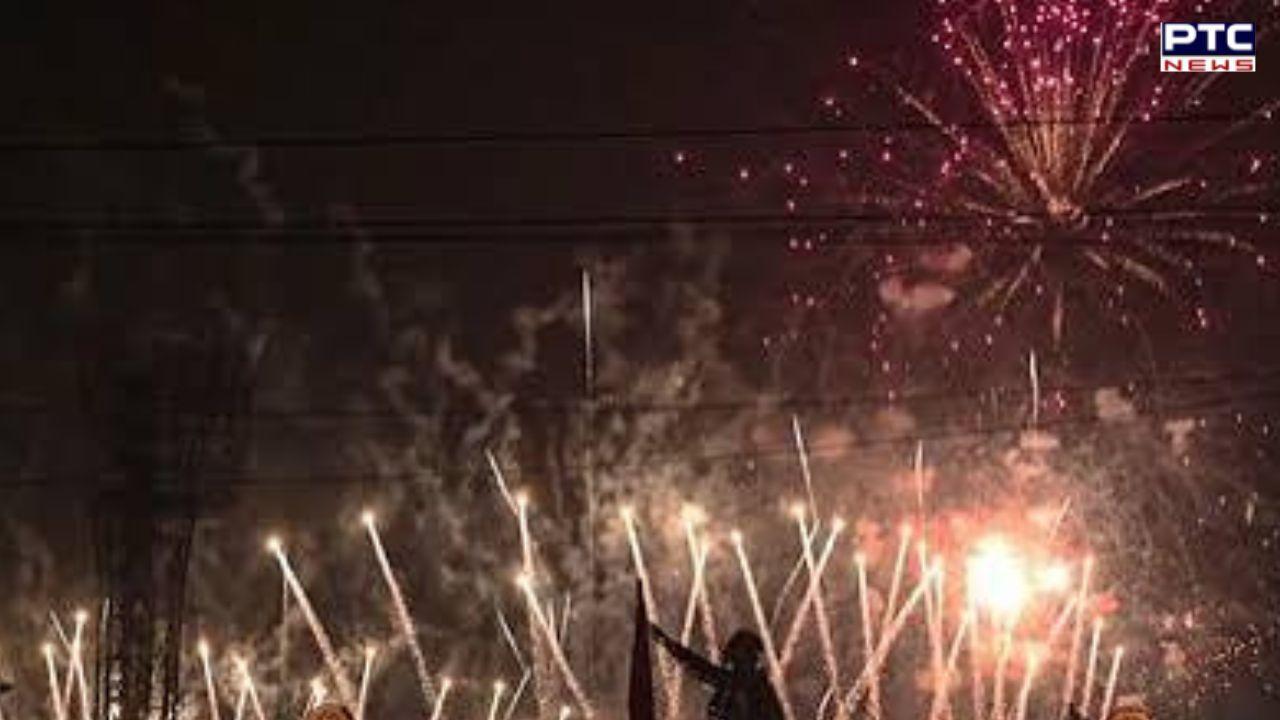
Delhi left choking post-Diwali as AQI peaked overnight, air quality spikes to 'severe' amid curbs



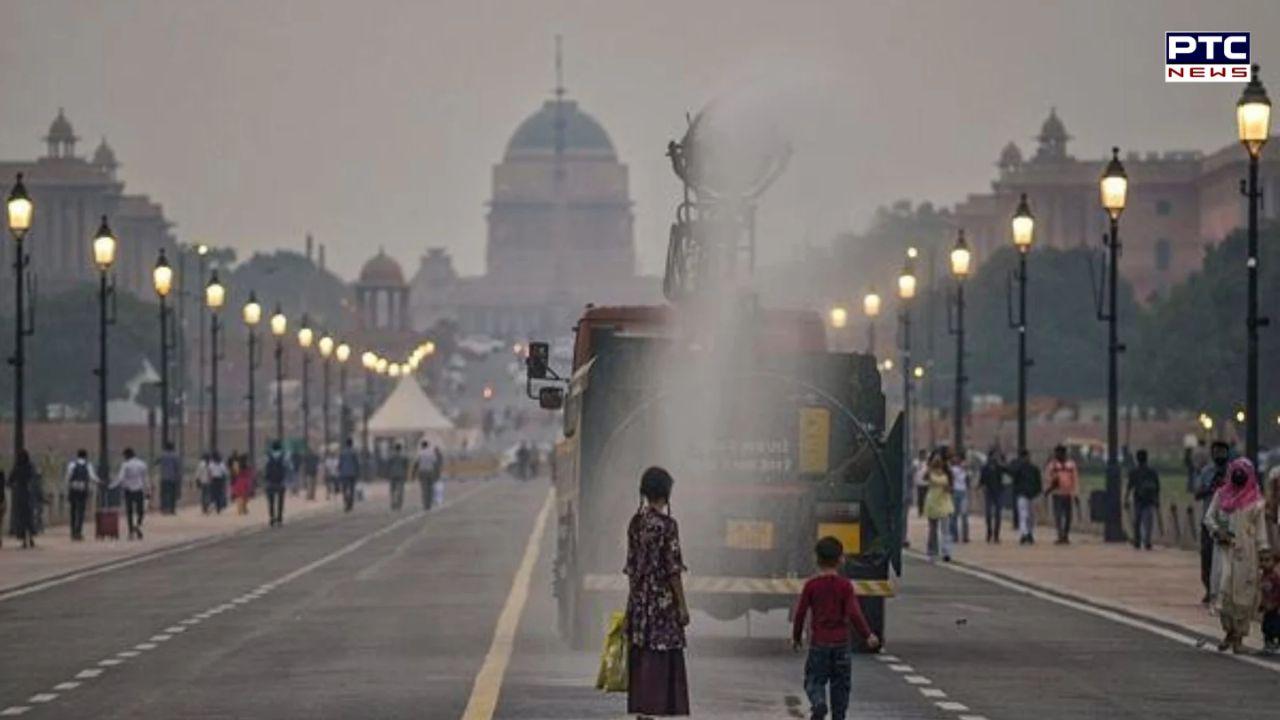
PTC News Desk: Delhi woke up to extremely high levels of air pollution on Monday, November 9, after a night of Diwali celebrations and firecracker bursting caused a sharp rise in pollution across the city.
According to AQI.in data, Delhi's Air Quality Index (AQI) was recorded at 663 at 8:01 am. It had reached a peak of 1,331 at 1:31 am. The morning reading was nearly 69 per cent higher than the AQI of 393 recorded on October 21, 2025, the day after Diwali last year.
The comparison shows that post-Diwali pollution in Delhi has become much worse in just one year, raising concerns for people living in Delhi-NCR.
The data shows that pollution levels began rising sharply late on Sunday evening, with the biggest increase starting around 10 pm. The AQI was already at 681 by 9:31 pm. It then climbed to 1,153 by 11 pm before reaching its highest recorded level of 1,331 at 1:31 am. Although pollution levels started falling gradually in the early morning, the AQI remained as high as 663.
This sharp rise came after several days of poor air quality in Delhi ahead of Diwali. Pollution levels had already been increasing before the festival, leaving the city struggling to cope with the additional smoke from firecrackers.
On November 8, Diwali day, the official 24-hour AQI recorded by the Central Pollution Control Board (CPCB) was 376, placing Delhi in the 'very poor' category. The official forecast had warned that air quality could enter the 'severe' category on November 9.
Pollution had also increased sharply in the days before the festival. Delhi's AQI.in reading rose from 124 on October 30 to 393 on November 2. By 11:31 am on November 3, it had reached 464.
A short improvement in air quality after rain and strong winds in late October did not last long. As dry weather returned, pollution from vehicles, industries, construction work, road dust and waste burning began building up again.
Diwali added to the existing pollution. Firecrackers release smoke and tiny harmful particles into the air. Weak winds and unfavourable weather conditions make it difficult for these pollutants to disperse. Smoke from crop-residue burning in neighbouring states can also worsen the situation during this time of the year.
As pollution levels continued to rise ahead of Diwali, the Commission for Air Quality Management (CAQM) had already imposed Stage III restrictions under the Graded Response Action Plan (GRAP) across Delhi-NCR on November 6.
With pollution reaching such alarming levels, residents are likely to face another difficult week of poor air quality.
- PTC NEWS