Food vs fuel: Why India's top economist is sounding alarm on E20 petrol





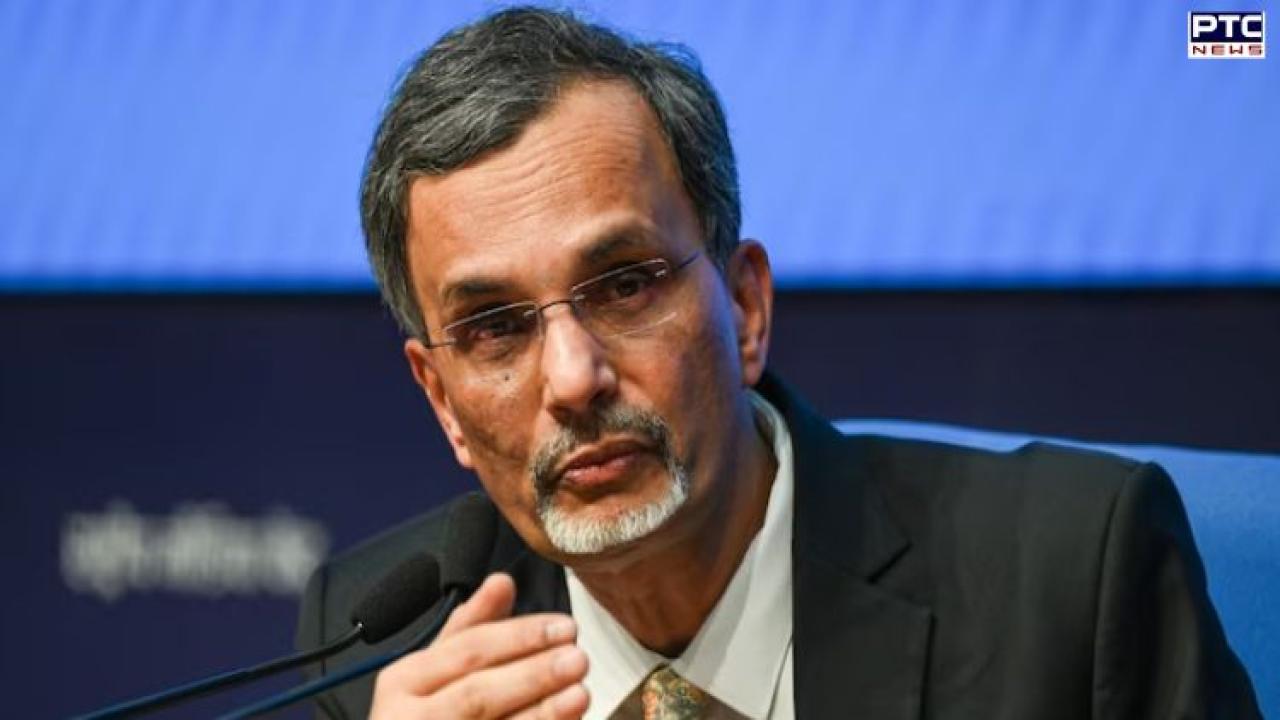
PTC Web Desk: India's ethanol-blended petrol policy has once again come under discussion, with Chief Economic Adviser V Anantha Nageswaran suggesting that E10 petrol could be offered for older two-wheelers.
The bigger issue, however, is not just about whether older vehicles can run safely on E20 petrol. It is also about how much land, water and agricultural produce India may need if ethanol blending is increased beyond 20%.
Nageswaran and Akash Poojari, a consultant with the Department of Economic Affairs, raised these concerns in a column published in The Indian Express.
According to their argument, India should carefully study the impact of higher ethanol blending before moving towards blends such as E27 or E30.
E20 petrol contains 20% ethanol and 80% petrol. India reached its target of 20% ethanol blending earlier than initially planned. The government has supported the programme because ethanol can help reduce dependence on imported crude oil, save foreign exchange and provide another market for farmers. But higher ethanol blending also means that India needs more ethanol. And that raises another question: Where will all this ethanol come from?
Ethanol in India is produced from crops such as sugarcane, maize and rice, among other sources. As the demand for ethanol increases, these crops are not only needed for food, animal feed and other industries but also for fuel production. This creates what economists call a food-versus-fuel trade-off.
For example, maize is widely used as animal and poultry feed. If more maize is purchased by ethanol producers, its price and availability could also affect the food and livestock sectors.
The CEA's column argues that these effects need to be considered before India increases its ethanol blending target.
The debate could become more important if India decides to move from E20 towards E27 or E30 petrol. A higher ethanol target would require a much larger supply of agricultural feedstock. The authors warn that at higher levels, fuel demand could start competing more directly with food demand.
In simple terms, more crops used for fuel could mean fewer crops available for food, animal feed or other uses. This is why the authors believe India should calculate the full economic cost before deciding on higher blending targets.
Also Read | 'They beat me, I can't walk': Punjabi youth's desperate video from Mexico breaks Internet, says don't take donkey route
Sugarcane is another important source of ethanol in India. The issue became more visible after reports that the government was considering limiting the amount of sugarcane used for ethanol in the next season because of concerns over domestic sugar supplies and prices. Around 3 million tonnes of sugar, or nearly 10% of annual production, was reportedly diverted towards ethanol in the current season. If less sugarcane is used for ethanol, however, the country still needs ethanol to maintain E20 petrol. That could increase dependence on other crops, particularly maize and other grains. This is one of the reasons the food-versus-fuel issue has become an important part of the ethanol debate.
The debate is not only about food. It is also about water. The benefits of ethanol are usually discussed in terms of reduced crude oil imports, foreign exchange savings, lower emissions and additional income opportunities for farmers. But producing ethanol also requires agricultural crops, and growing those crops requires water.
The CEA's argument is that policymakers should look at the total amount of water needed to grow the crops used for ethanol. This is particularly important for crops such as sugarcane, which require large amounts of water.
The concern is that if land and water resources are increasingly directed towards fuel production, changing those decisions later may not be easy.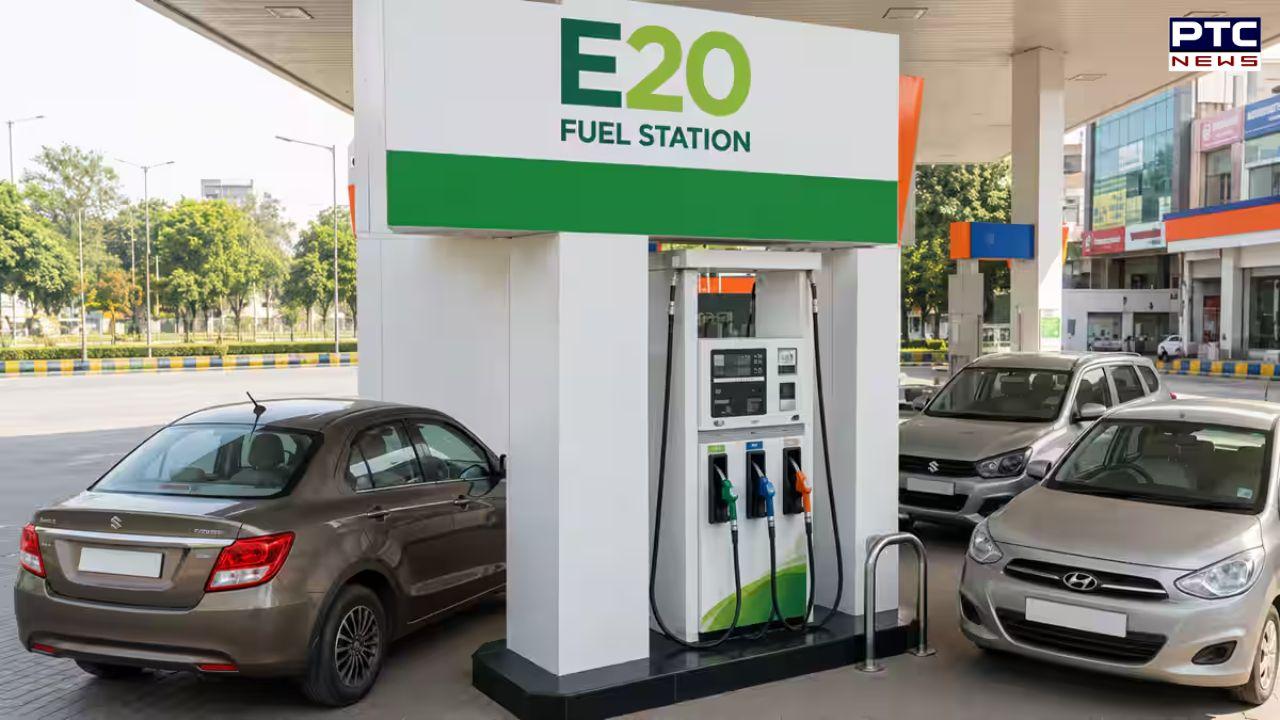
The immediate suggestion from Nageswaran and Poojari is to make E10 petrol available for older two-wheelers. They estimate that around 75 million to 80 million older two-wheelers, mainly vehicles built before BS-IV and using carburettors, are still on Indian roads.
The authors point out that these older vehicles are different from newer vehicles designed to handle higher ethanol blends.
A carburettor cannot automatically detect the extra oxygen associated with a higher ethanol blend and adjust the fuel-air mixture in the same way as modern fuel systems. As a result, some older engines may run with a leaner fuel mixture and potentially run hotter.
Older rubber and fuel-system components may also not have been designed for higher ethanol concentrations.
Retrofitting millions of older vehicles could take time
According to the column, older vehicles can be modified with ethanol-compatible components. However, doing this for tens of millions of vehicles would take considerable time. This is where the proposed E10 option comes in.
The authors suggest allowing older two-wheelers to continue using E10 while these vehicles are gradually upgraded.
It would also reduce the amount of ethanol needed compared with putting the entire vehicle fleet on E20.
The CEA's argument does not reject the benefits of ethanol blending. Instead, it asks policymakers to look at the complete cost of producing ethanol.
If India wants to increase ethanol blending further, it may need more sugarcane, maize and other crops. That could increase pressure on agricultural land and water and affect food, feed and other industries.
The central question is therefore no longer only about E20 petrol and vehicle performance.
It is also about what India will have to grow to produce more fuel — and what other uses may lose access to those resources. For older vehicle owners, the suggested answer is E10 petrol.
- With inputs from agencies