Navi Pillay: Bus driver’s daughter of Tamil roots is winner of Nobel Peace Prize this year | Her life





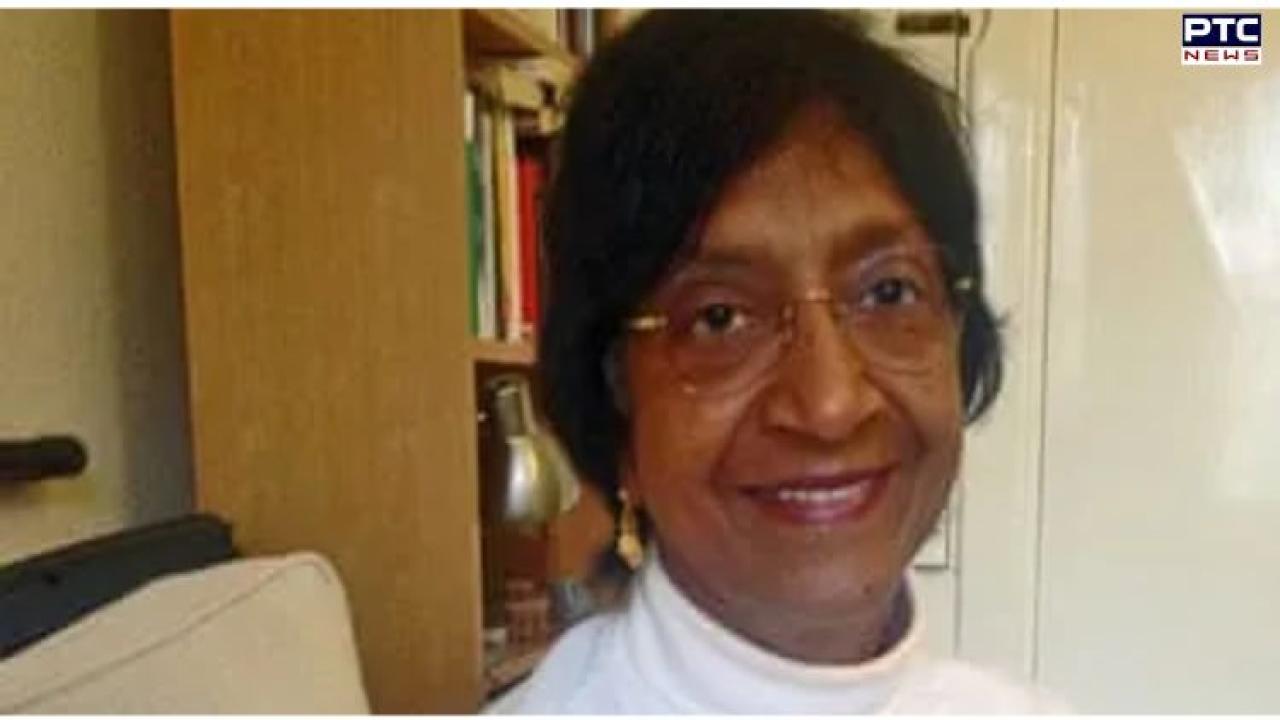
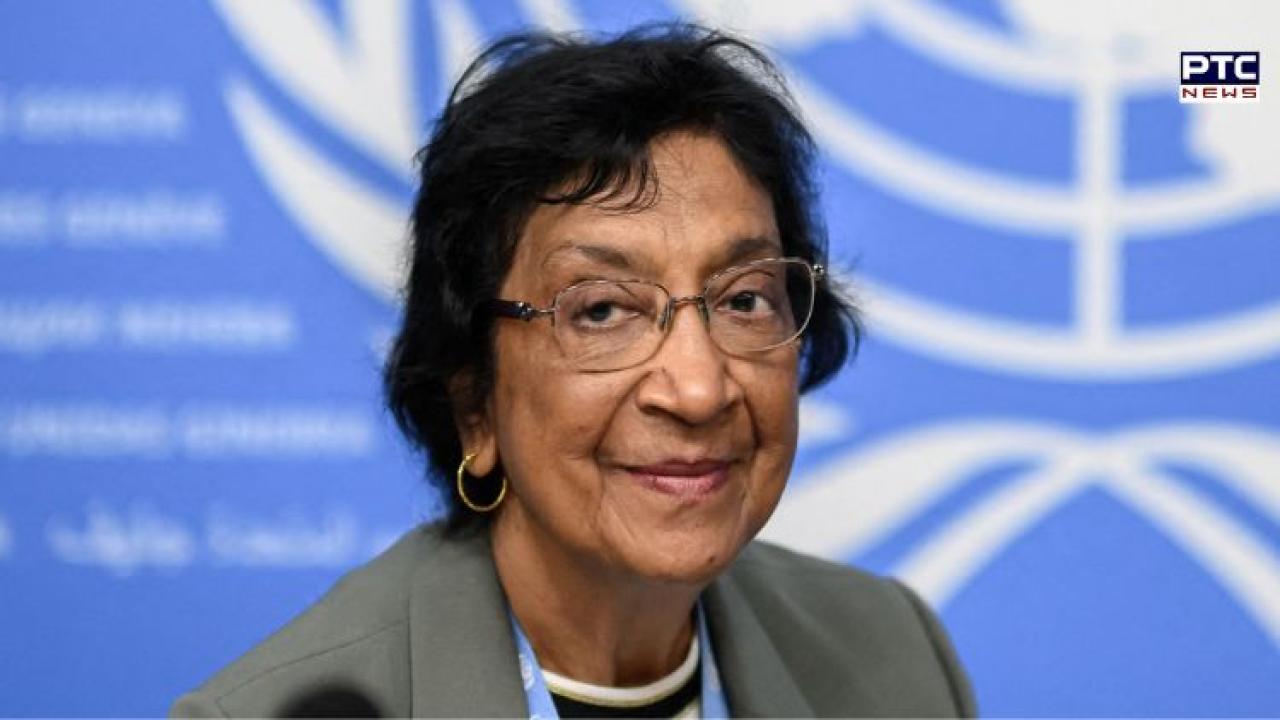
PTC Web Desk: She was born to a poor Tamil family in Durban, one of eight children of a bus driver. In her own country, she was once told she could not enter a judge’s chambers because of her skin colour. On Friday, that same woman, Navanethem “Navi” Pillay, 85, was awarded the Nobel Peace Prize for her work to “promote peace and international law.”
Navi Pillay’s story is one of grit. Her parents, Santhama and Narrainsamy Naidoo, had little money and the family lived with the racial and economic barriers that Black and Indian-origin communities often faced. She still finished school and earned a Bachelor of Arts degree from the University of Natal in 1963, followed by a law degree two years later. She later completed a doctorate at Harvard University.
Also Read | Navi Pillay wins 2026 Nobel Peace Prize for her fight to hold war criminals accountable
A life lived against the rules
In 1965, Navi Pillay married Gaby Pillay, a lawyer who was also of Indian descent. The couple adopted two children, Isvari and Kamini. She once told a South African media outlet that she took her daughters to a public park even though she knew the swings were meant for white children only.
Two years after her marriage, she became the first woman of colour to start her own law firm in Natal. Working from a small office, she spent years defending anti-apartheid activists and political prisoners.
She also championed women’s rights. In 1992, she co-founded the group Equality Now with human rights leader Jessica Neuwirth, which campaigned against practices such as female genital mutilation and forced child marriage.
From Durban to the world stage
When apartheid ended, Pillay was appointed to the High Court of South Africa in 1995, becoming the first non-white woman to sit on that bench.
That same year, she was elected a judge of the International Criminal Tribunal for Rwanda, which was set up to try those behind the 1994 genocide. Lakhs of Tutsis were killed by nationalist militias in the violence and thousands of women were reportedly raped. The killings are believed to have been triggered by the assassination of then Rwandan President Juvenal Habyarimana.
She spent eight years on the tribunal, including four as its president from 1999 to 2003. She later served as a judge at the International Criminal Court.
In 2008, she became the first woman to head the UN human rights office, serving as High Commissioner for Human Rights until 2014. More recently, she chaired the UN Independent International Commission of Inquiry, which concluded that genocide was taking place in Gaza.
- PTC NEWS