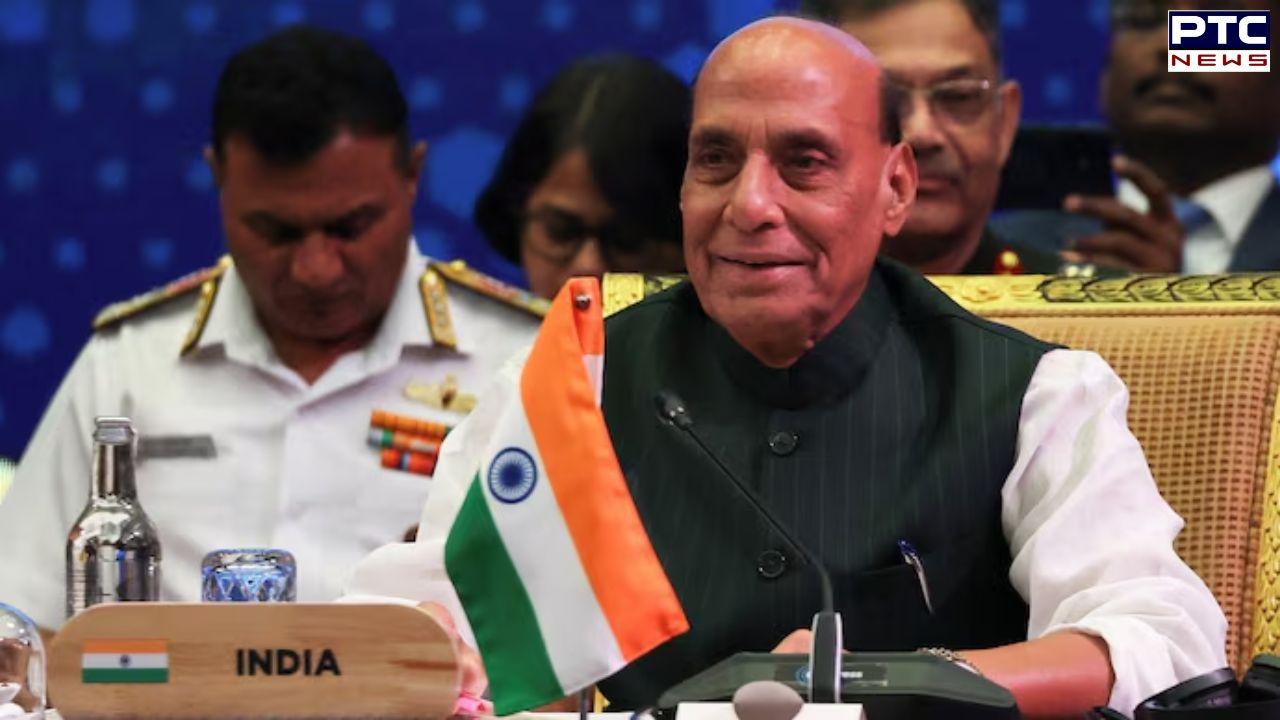
'Sindh may return to India, borders may change': Defence Minister Rajnath Singh's big remark





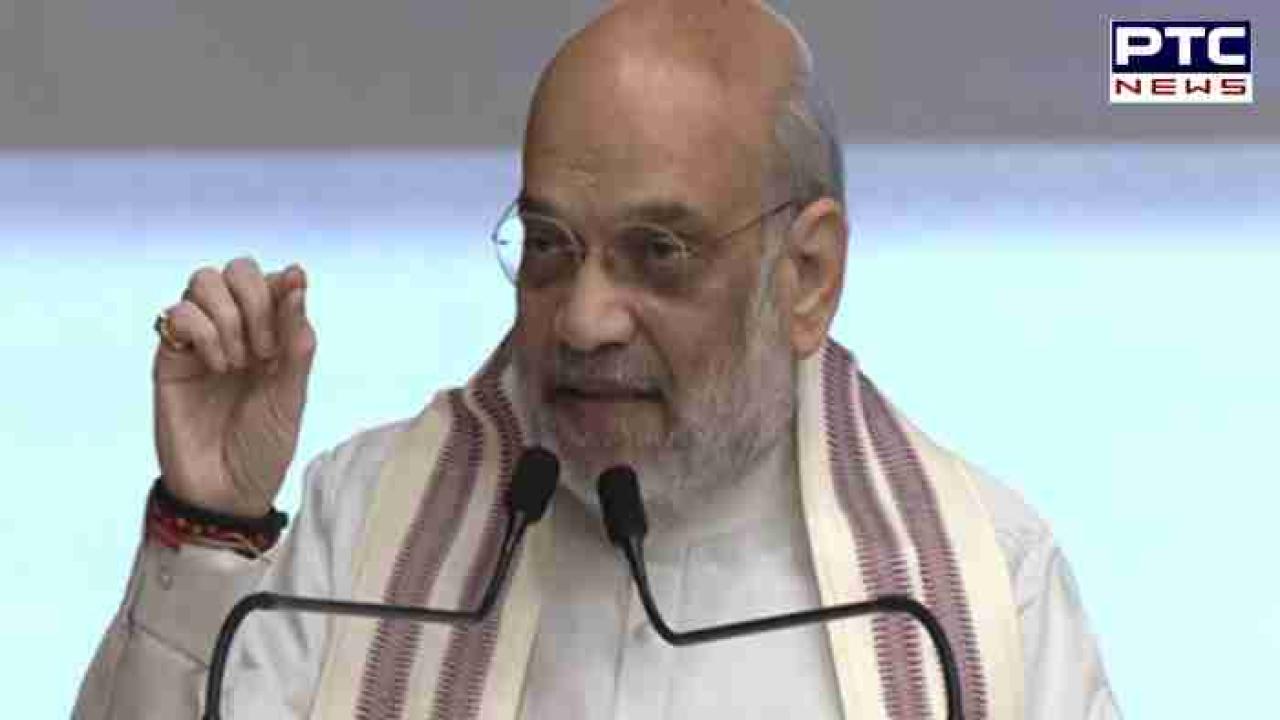
PTC News Desk: Defence Minister Rajnath Singh said on Sunday that even though Sindh is not part of India today, it is still strongly linked to India’s cultural and historical roots. Speaking at an event, he mentioned that Sindh — which was part of undivided India before 1947 and became part of Pakistan afterwards — could possibly return to India someday.
"Today, the land of Sindh may not be a part of India, but civilisationally, Sindh will always be a part of India. And as far as land is concerned, borders can change. Who knows, tomorrow Sindh may return to India again," he remarked while speaking at the programme.
His remarks come amid strained India-Pakistan relations following Operation Sindoor in May. At the Sindhi Samaj Sammelan in New Delhi, Singh said that “from a civilisational viewpoint, Sindh will always belong to India,” and pointed out that political borders are not permanent. Sindh, now in Pakistan, is the ancestral land of the Sindhi community, a significant population group in India, and it is also the birthplace of the Indus Valley Civilisation.
Singh also referred to senior BJP leader Lal Krishna Advani while speaking about the deep emotional and cultural bond that Sindhi Hindus continue to feel for the region decades after Partition. Quoting Advani’s writings, he said that many Sindhi Hindus of that era still struggle to accept Sindh’s separation from India.
He further noted that both Hindus and many Muslims in Sindh traditionally regarded the Indus River’s waters as sacred.
"I'd also like to mention the Lal Krishna Advani here. He wrote in one of his books that Sindhi Hindus, especially those of his generation, still haven't accepted the separation of Sindh from India. Not just in Sindh, but throughout India, Hindus considered the Indus River sacred. Many Muslims in Sindh also believed that the water of the Indus was no less sacred than the Aab-e-Zamzam of Mecca. This is Advani's quote," he added.
- With inputs from agencies