Supreme court rejects blanket ban on Delhi Metro, suspension of railway services ahead of CJP October 10 protest





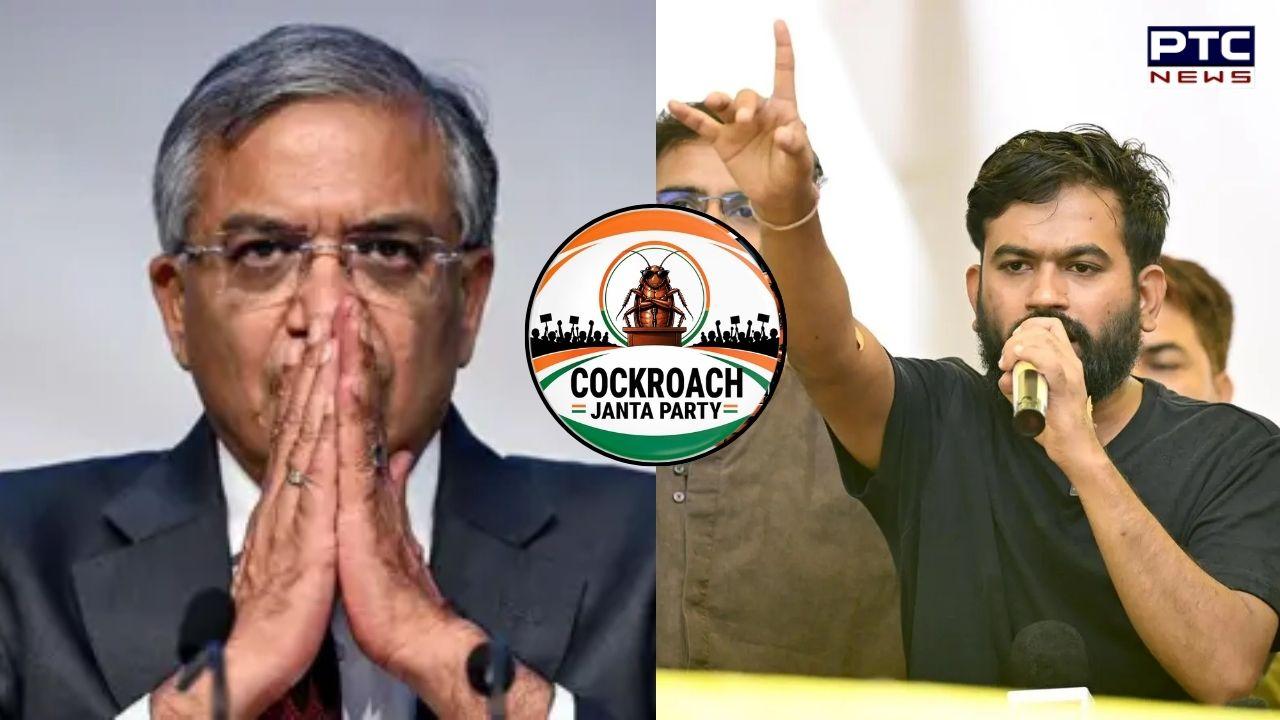
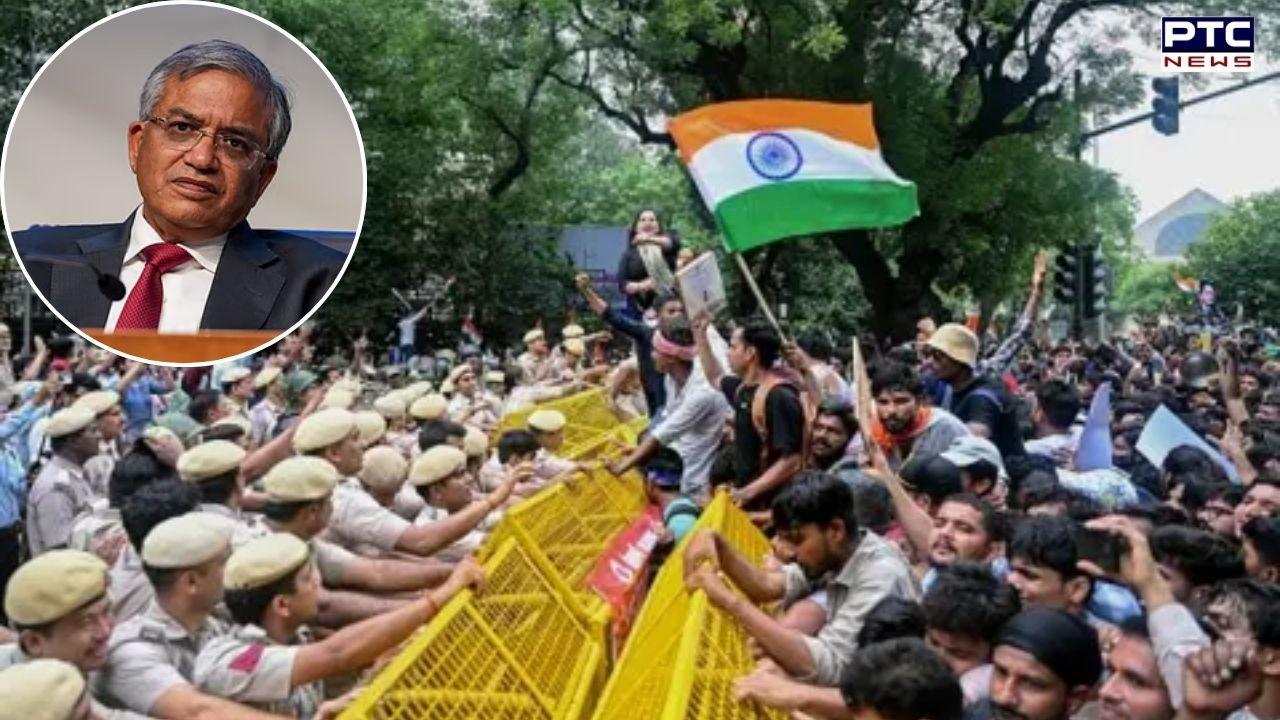
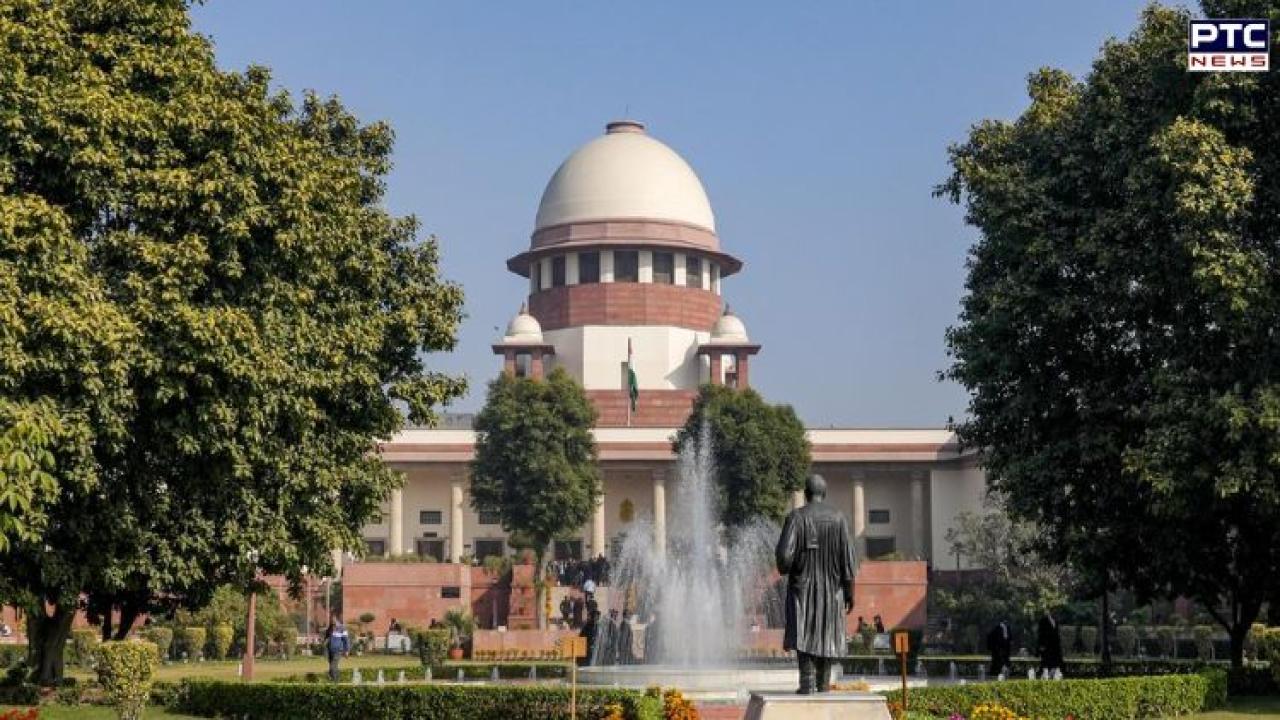
PTC News Desk: The Supreme Court on Friday raised serious concerns over Delhi Police’s decision to order the closure of 57 Delhi Metro stations on Saturday, when the CJP is scheduled to hold a rally in the national capital demanding the resignation of Chief Election Commissioner Gyanesh Kumar.
The court said the decision could affect the rights of ordinary citizens who depend on public transport. Earlier, the bench had stressed that a balance must be maintained between the right to protest and the rights of other people.
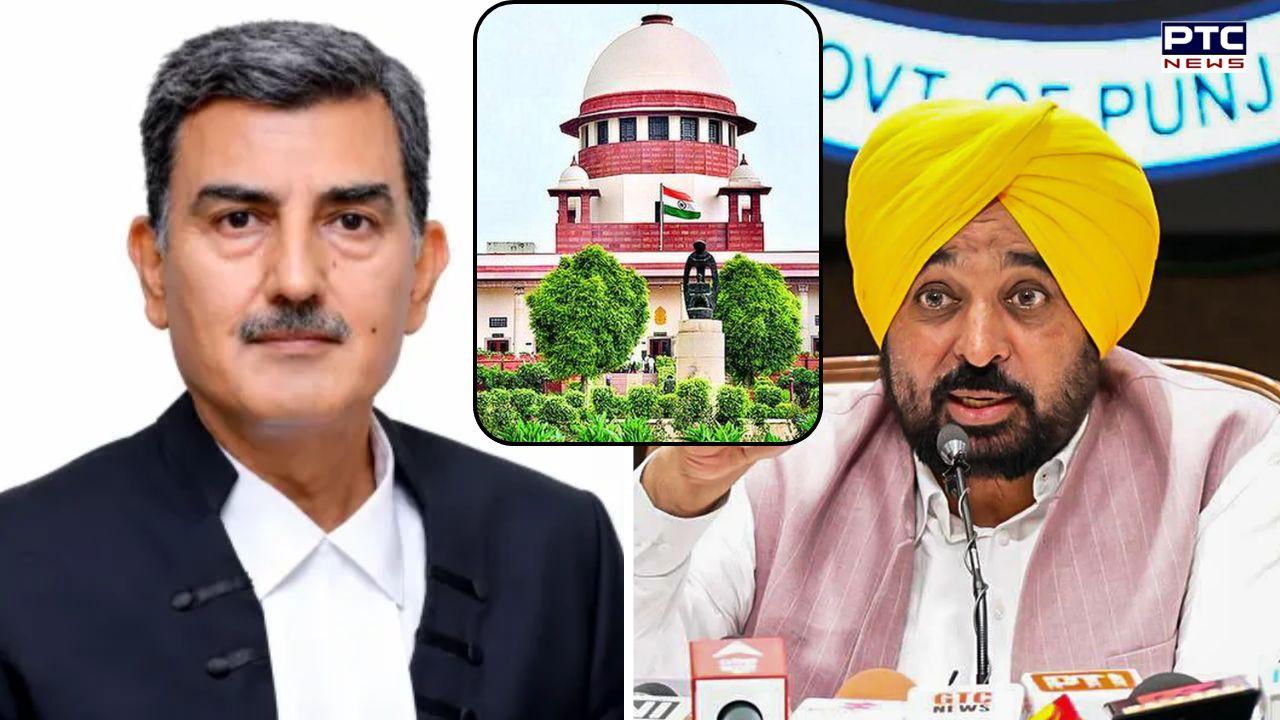
A bench led by Chief Justice of India Surya Kant heard arguments from several senior lawyers, including Kapil Sibal, Abhishek Manu Singhvi, Prashant Bhushan and Vrinda Grover. They challenged the wide-ranging restrictions imposed by the police ahead of Saturday’s protest.
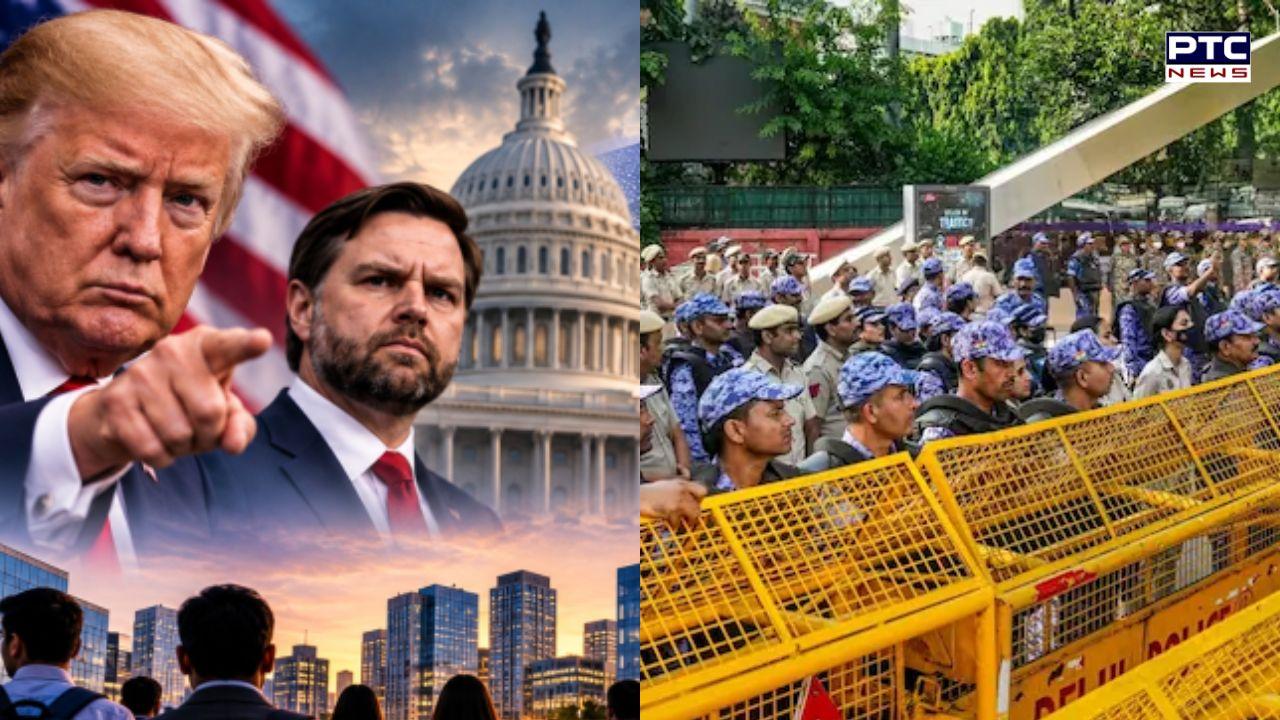
The lawyers raised concerns over metro station closures, train cancellations, movement restrictions and directions reportedly issued to resident welfare associations (RWAs) and hotels. They argued that these measures could prevent people from travelling to Delhi or gathering for the protest.
Sibal questioned the need to impose such restrictions across the capital, while Singhvi argued that preventive measures of this scale were unjustified when no incident had taken place. Solicitor General Tushar Mehta, representing the government, defended the restrictions, saying they were necessary to maintain law and order.
However, the bench said the measures raised concerns about the rights of ordinary citizens and emphasised that the right to protest must be balanced against public access to essential services.
Justice Joymalya Bagchi observed that the restrictions appeared disproportionate based on the information presented before the court. He said the court needed to protect the rights of protesters while ensuring that other citizens could continue to access basic facilities.
Court questions wide-ranging restrictions
During the hearing, the lawyers argued that the police measures went beyond what was necessary to manage the protest. They referred to train cancellations, metro station closures, checks at Delhi’s borders and instructions reportedly asking hotels not to accept new bookings.
Senior advocate Gopal Sankaranarayanan said closing metro stations and cancelling trains would affect millions of commuters, including those who had no intention of attending the rally. He argued that citizens had a right to move freely and use public transport.
The lawyers also questioned police advisories reportedly asking people to avoid going out or gathering in public places. The Chief Justice asked whether claims about police visits to hotels and paying guest accommodations had been formally submitted to the court.
Justice Bagchi said the court could consider limiting restrictions on public transport. However, he added that it first needed to understand the situation on the ground and assess the expected size of the protest.
Supreme Court calls for balance between rights
The Supreme Court reiterated that the right to protest is a fundamental right, but it must be exercised within the limits of the law. The bench indicated that reasonable conditions could be imposed, such as limiting the number of protesters and ensuring that they were unarmed. It also made clear that protesters could not block highways. The court asked the petitioners to submit the actual police order imposing the restrictions so that it could examine whether the measures were lawful and necessary. Sibal said the lawyers would return at 2 pm with documents related to the permissions sought for the protest and the responses received from the authorities.
The bench said it needed to examine the police order and the material presented before it before deciding how to protect the right to protest without unnecessarily disrupting the movement and daily lives of other citizens.
- PTC NEWS