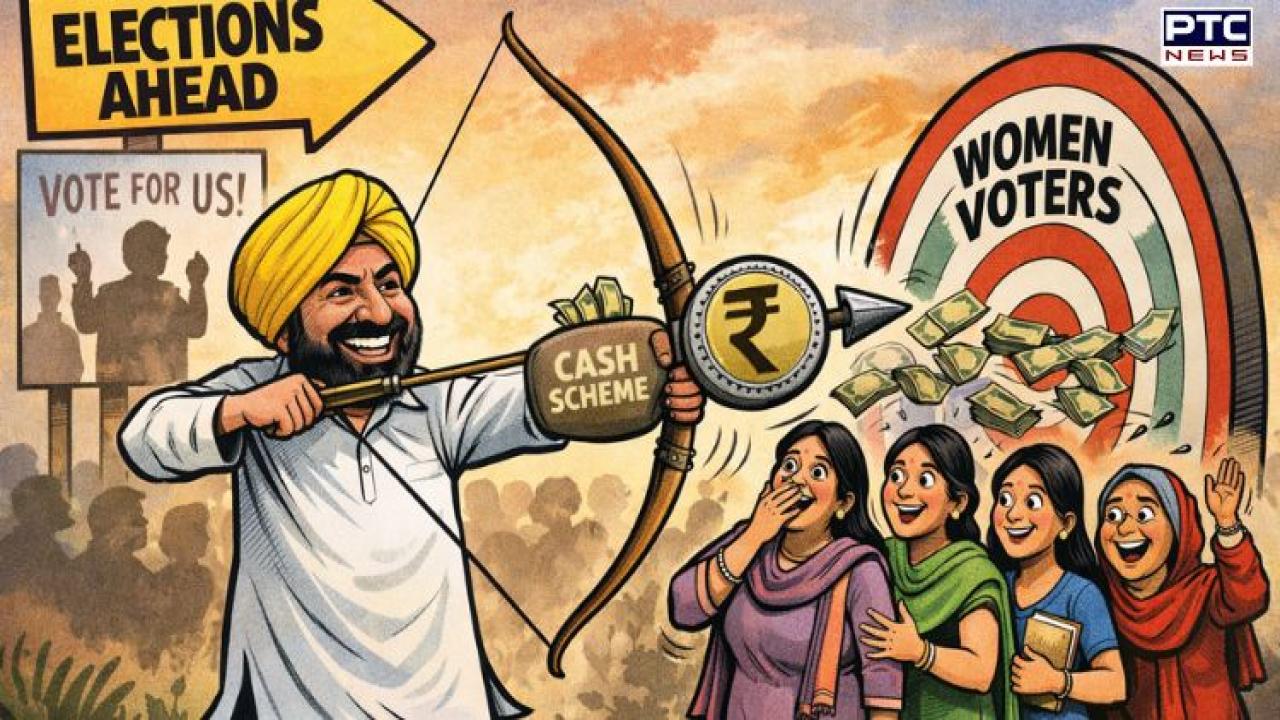
Ahead of 2027 Assembly polls, debt-ridden Punjab govt rolls out 'costly' women cash scheme





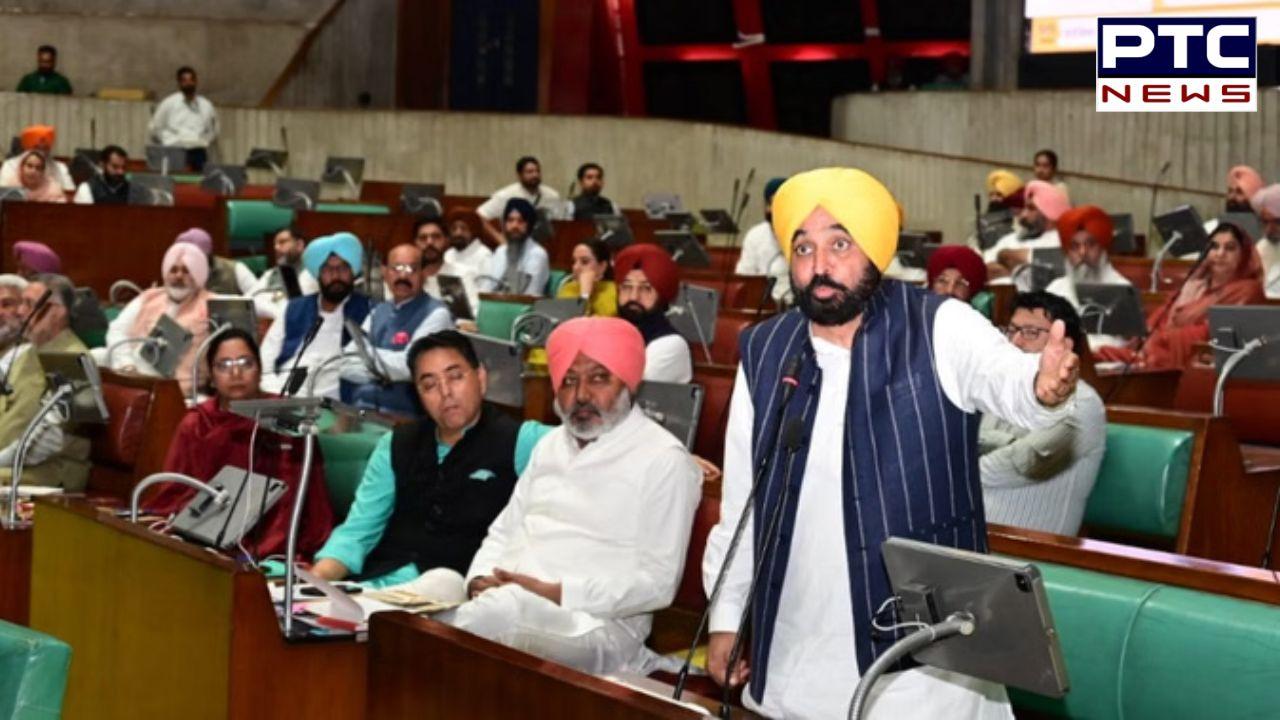
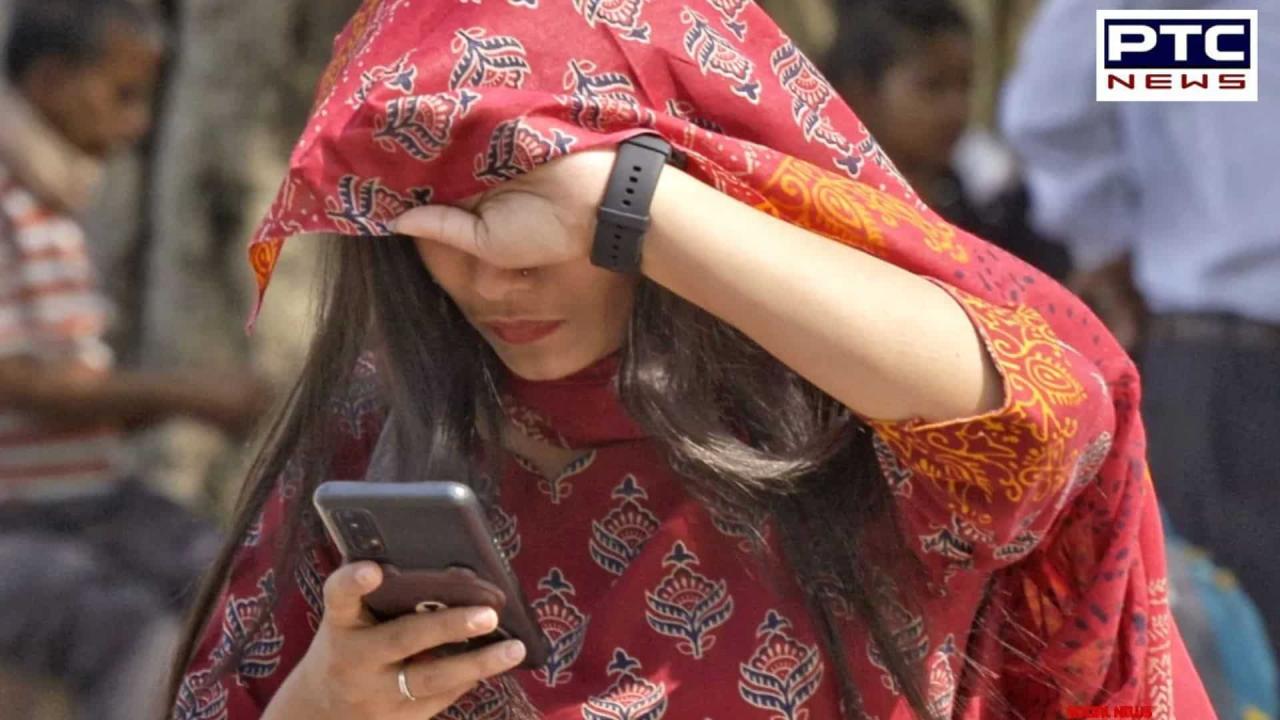
PTC Web Desk: The Punjab Government’s Budget for 2026–27, presented just a year before the next Assembly elections, places strong emphasis on welfare measures, particularly a large cash transfer scheme for women. While the government has described the initiative as a step towards financial empowerment, the timing of the announcement has drawn attention from political observers and policy analysts.
On the occasion of International Women’s Day, the government announced the “Chief Minister Maavaan-Dhiyan Satkar Yojana,” under which adult women in the state will receive Rs 1,000 per month, while Scheduled Caste women will receive Rs 1,500 per month directly in their bank accounts. The scheme is expected to cover nearly 97 per cent of adult women in Punjab, with a proposed allocation of Rs 9,300 crore for the financial year 2026–27.
However, the announcement has also revived debate around a key promise made by the ruling party during the last Assembly election campaign. The monthly financial assistance for women had been prominently featured in the party’s manifesto, but it had not been implemented in the early years of the government’s tenure. With the Assembly elections expected next year, the revival of the promise in the final budget of the current government has inevitably raised questions about political timing.
Policy analysts note that the cash transfer scheme was one of the most widely discussed commitments during the last election campaign. For several years, however, the programme did not move beyond the promise stage.
The announcement in the last budget before elections is therefore being viewed by critics as a politically strategic move aimed at consolidating voter support, particularly among women, who represent a significant and influential segment of the electorate.
Concerns over fiscal sustainability
Apart from the political timing, there are also concerns regarding the financial sustainability of the scheme. With an estimated annual cost of Rs 9,300 crore, the programme will add a substantial recurring expenditure burden to the state’s finances.
Punjab already faces fiscal pressure due to high debt levels and growing welfare commitments. Analysts warn that unless supported by strong revenue growth, such schemes could place additional strain on the state’s budget in the coming years.
Welfare expansion across sectors
Alongside the women’s cash transfer programme, the budget also continues several existing welfare initiatives. The government has allocated Rs 600 crore for the free bus travel scheme for women, which recorded nearly 12 crore journeys in the previous year.
In the social sector, 36.52 lakh beneficiaries, including elderly persons, widows, dependent children and persons with disabilities, will continue receiving financial support under social security schemes, backed by an allocation of ₹6,150 crore.
The government has also proposed Rs 932 crore for the Integrated Child Development Services (ICDS) programme, which operates through 27,314 Anganwadi centres across Punjab, benefiting about 16.6 lakh people through nutrition, health and early childhood education services.
Additionally, the Navi Disha Yojana, launched in November 2025 to promote menstrual hygiene, will continue distributing free sanitary pads to women and adolescent girls. Currently, about 13.65 lakh women benefit from the programme, with nearly 1.2 crore sanitary pads distributed every month. The scheme has been allocated Rs 65 crore in the upcoming financial year.
For now, the announcement of the women’s cash transfer programme has placed the spotlight on a promise made years earlier, one that has resurfaced at a politically crucial moment for the government.
- PTC NEWS