China intrudes north Bhutan amid ongoing negotiations, establishing outposts and villages





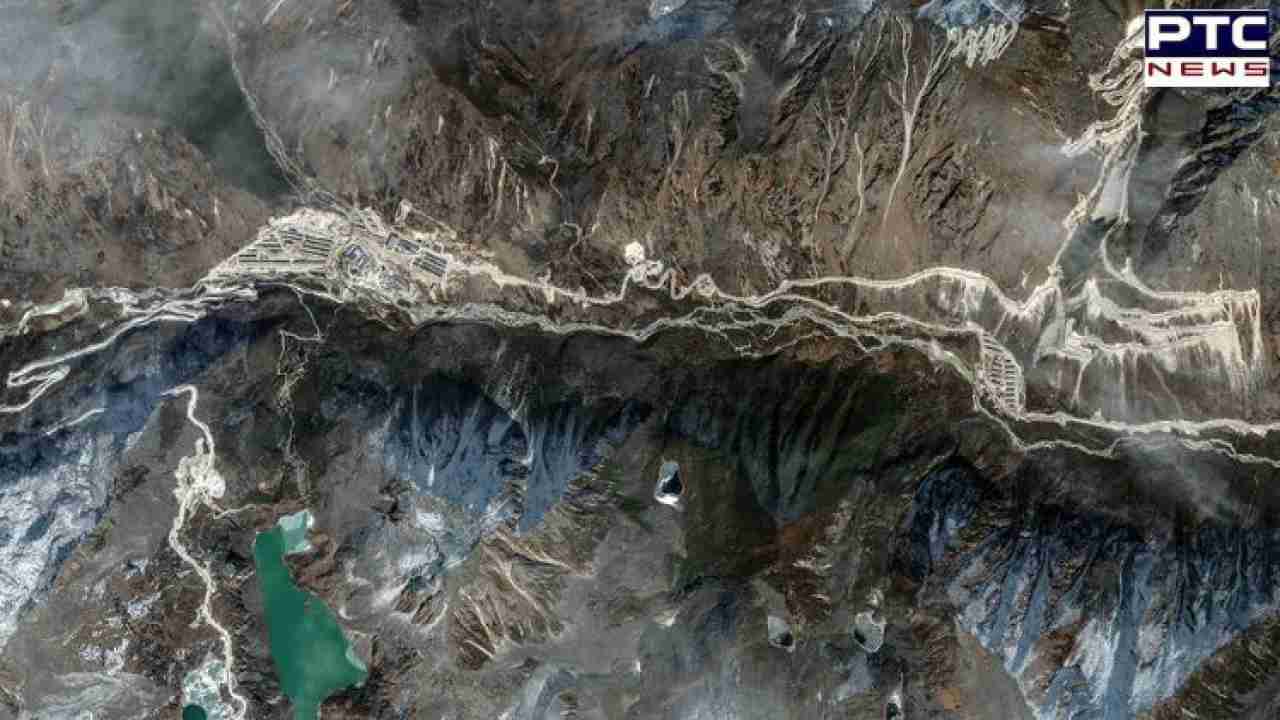
China Bhutan border talks: Ongoing discussions between Bhutan and China aimed at formally delineating their border have failed to halt China's unauthorised construction activities in the Jakarlung Valley of north Bhutan.
Latest satellite imagery of this region, considered the most detailed to date, indicates a potential situation where Thimphu may find itself compelled to acknowledge the accomplished fact established by China in an area positioned 50 kilometers from Bhutan's Eastern border with Arunachal Pradesh.
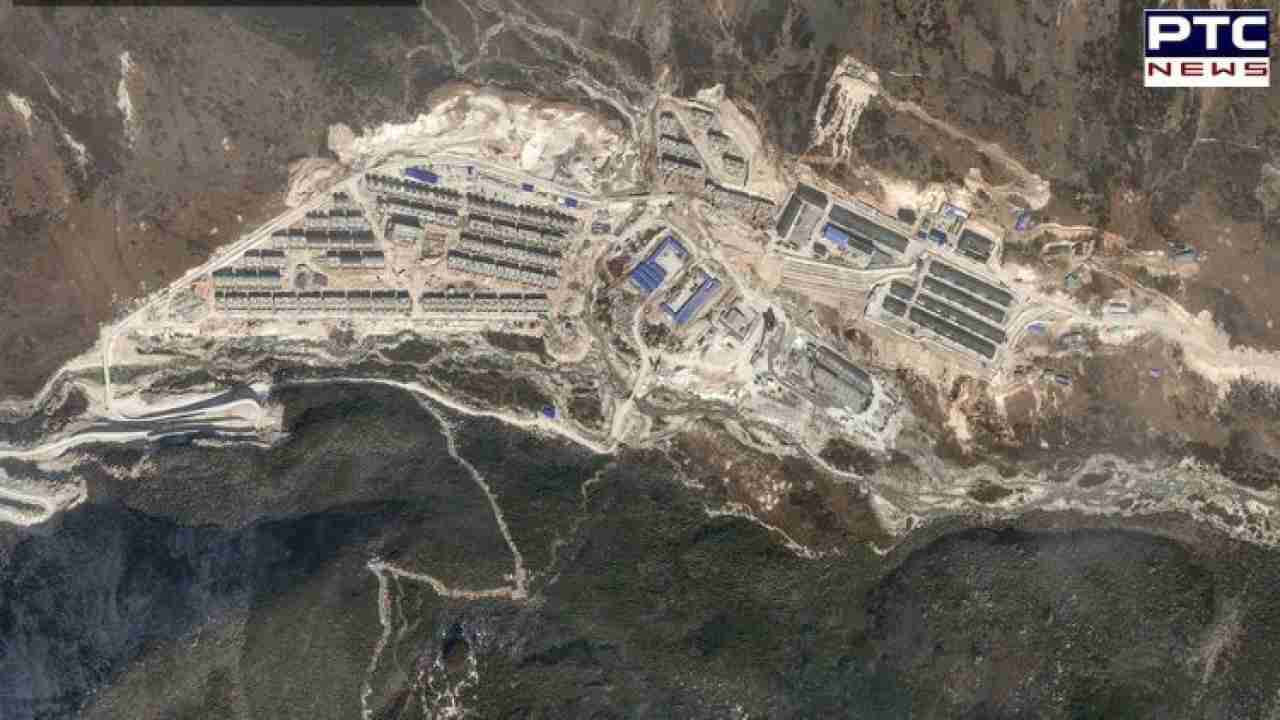
"This represents China's recent claim over a territory based on grazing practices, an assertion lacking historical precedent. China has unilaterally seized this region, establishing villages, military installations, and outposts," explained Professor Robert Barnett, an expert on Tibetan history at the School of Oriental and African Studies (SOAS) at the University of London.
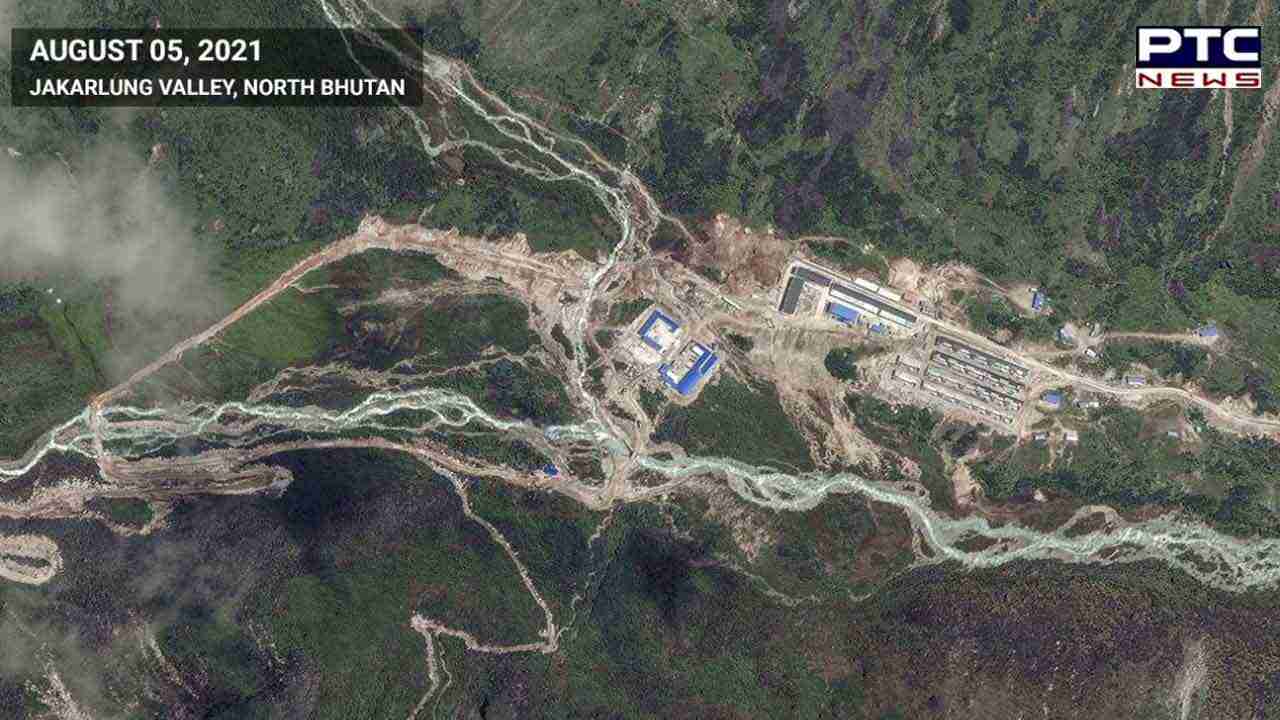
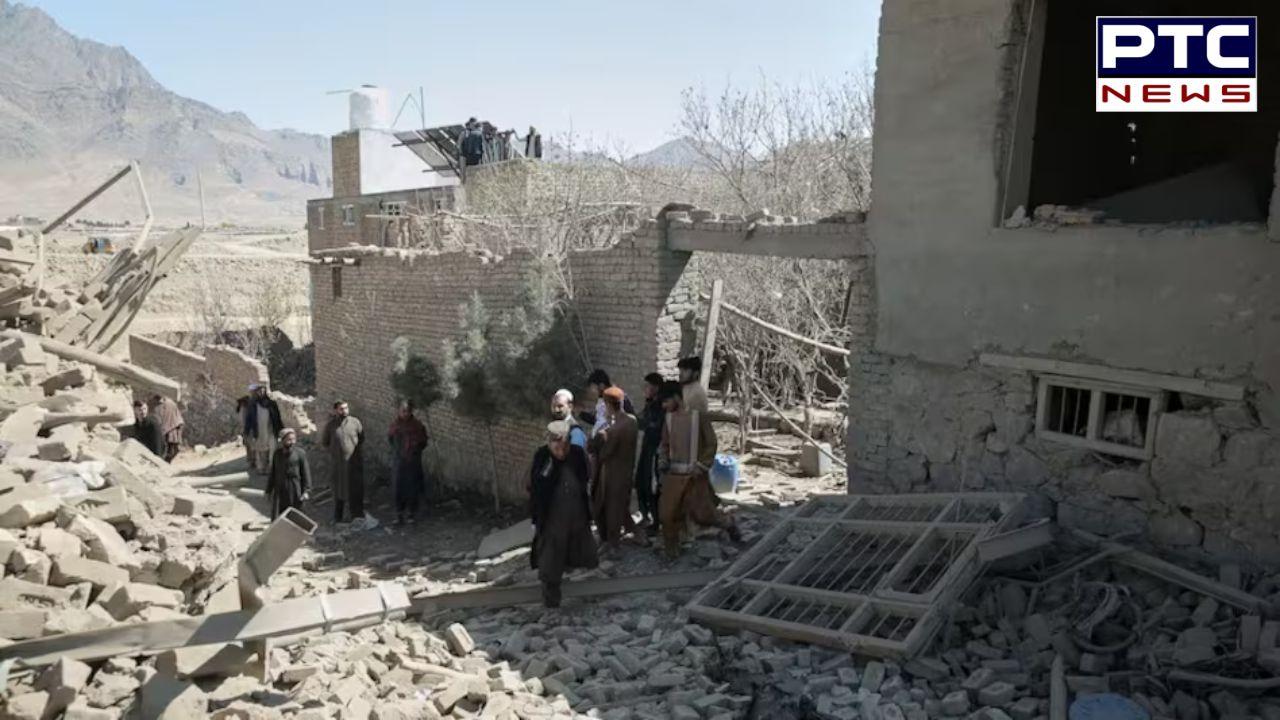
The satellite images, provided by Maxar, demonstrate China's notable escalation in the Jakarlung Valley within a span of two years. Recent images from December 7 reveal ongoing construction of around 129 residential buildings in one settlement and approximately 62 structures in another nearby enclave. Notably, images from August 2021 show no existence of these buildings.
"The extensive development here suggests that these settlements aren't isolated outposts but form part of a broader network bolstering China's territorial aspirations. This contributes to reshaping the Bhutanese landscape in alignment with Chinese interests," remarked Damien Symon, a prominent commentator on Chinese incursions in Bhutan.
These developments coincide with Bhutan's intensified engagement with China in an attempt to resolve territorial disputes. Despite these efforts, Bhutan seems open to a potential land swap agreement, as hinted by Prime Minister Lotay Tshering in an interview with The Hindu.
However, the agreement between Bhutan and China does raise concerns about potential repercussions for India, particularly considering China's strategic expansion into Bhutan's territories close to the Siliguri Corridor. This area is crucial for India as it connects the Northeast region to the rest of the country.
China's incremental expansion tactics, dubbed as "salami-slicing," have been a consistent strategy in various territorial disputes, from the South China Seas to Eastern Ladakh. The challenge for Bhutan lies in its limited capacity to counter such advancements, unlike India's robust response to similar incursions in Eastern Ladakh.
This shifting dynamic has prompted concerns in New Delhi about Bhutan's potential strategic realignment toward China, potentially altering the regional geo-strategic landscape. The evolving scenario underscores the challenges for India and Bhutan's leadership in navigating this delicate situation.
- With inputs from agencies