Nepal issues fresh flood threat as water level in Bhotekoshi river rises; death toll nears 800





PTC News Desk: Nepal authorities have issued a fresh flood threat warning after water level rose in the Bhotekoshi river and urged the residents to in flood-affected districts to remain on high alert as rescue teams continued to deal with the aftermath of the August 26 catastrophic floods.
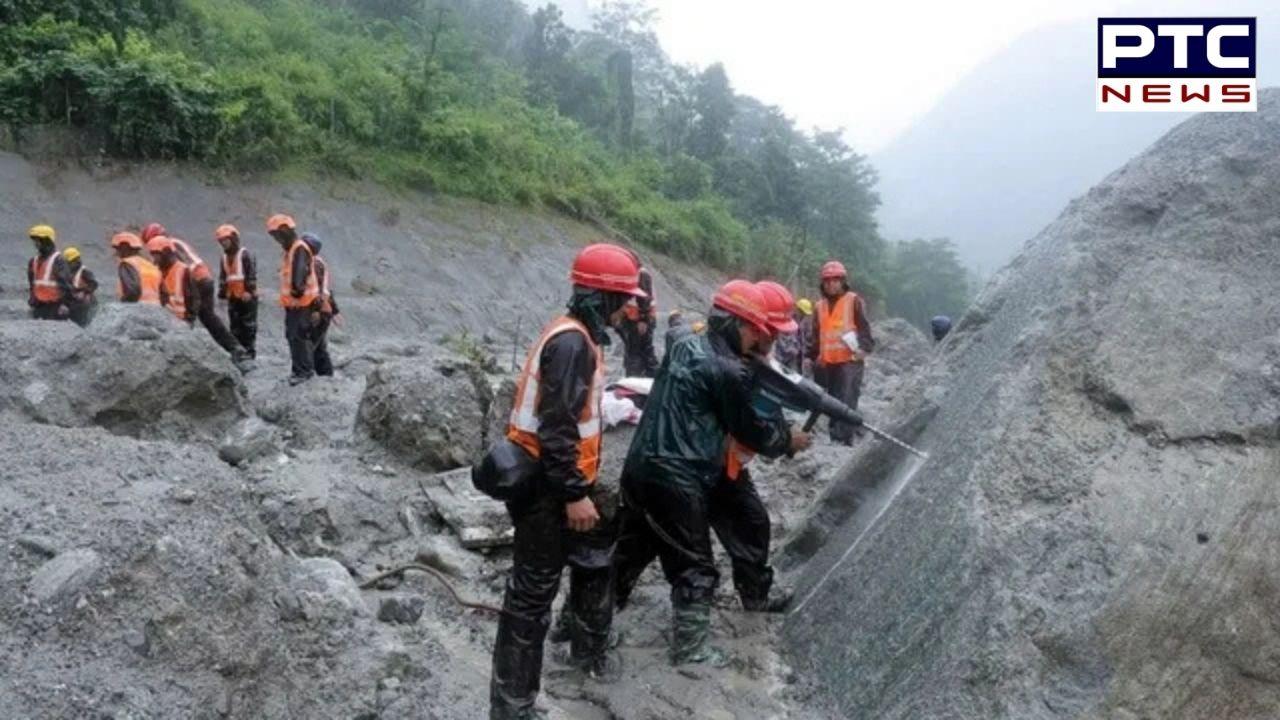
Flood warnings were sent to people’s mobile phones early Sunday, increasing fear in communities that were already badly affected by the disaster. The alerts came as rescue teams worked to reopen a major highway connecting Kathmandu with one of the worst-hit areas.
The floods have killed at least 800 people across Nepal and Tibet. Nepal’s disaster agency said the death toll in the country had reached 788, while 2,502 people were still missing.
On the Chinese side of the border, authorities reported 16 deaths and 546 missing people.
According to Dharam Raj Uprety, chief executive of Nepal’s National Disaster Risk Reduction and Management Authority, the latest warnings were issued after Chinese authorities reported a rise in water flow upstream.
China’s state news agency Xinhua, citing the country’s water resources ministry, said a new lake formed in the mountains after Wednesday’s floods had mostly drained. However, authorities warned that the danger had not completely passed.
Xinhua reported that a crater located around 5.6 km upstream still posed a potential risk. The crater was estimated to hold about 1.4 million cubic metres of water and was being closely monitored.
The repeated warnings have left residents in flood-hit villages worried and confused as they try to understand the continuing risks after the initial disaster.
Survivors return to destroyed homes
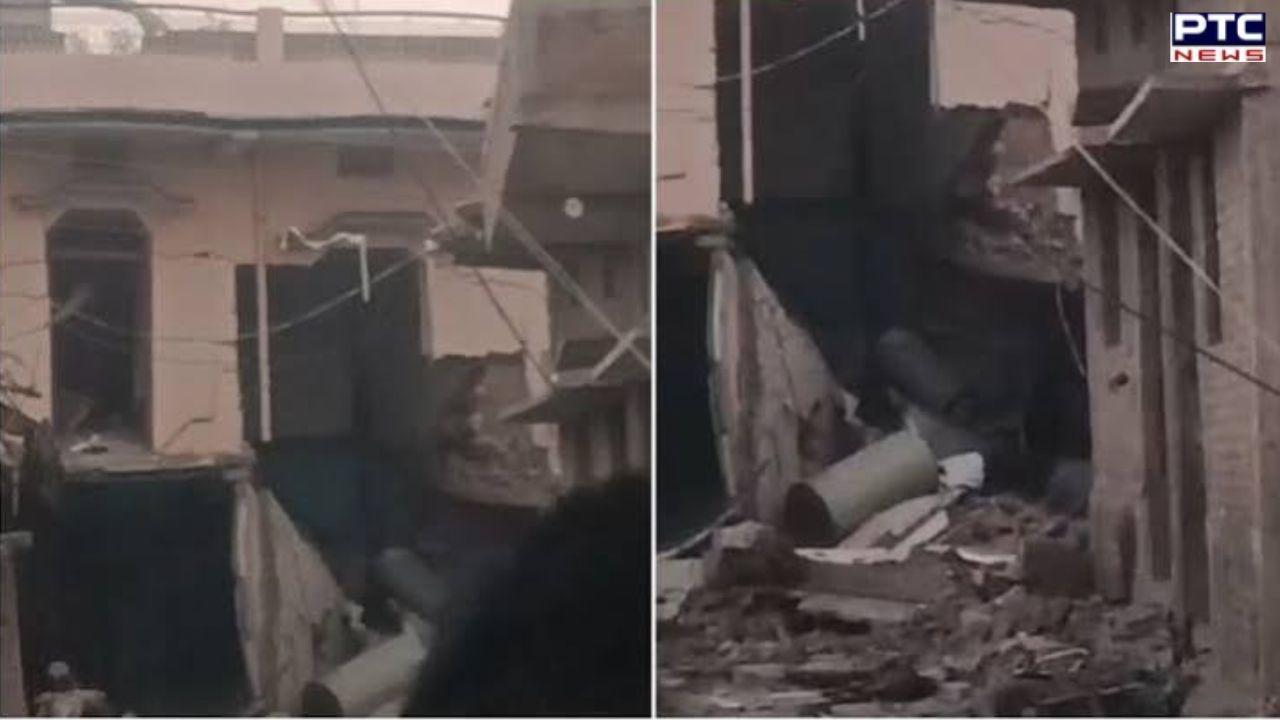
In Dhading, one of the areas worst affected by the floods, residents began returning to their damaged homes to see if they could recover anything.
Many houses had lost their walls, while balconies and window frames were covered with thick mud and debris. People searched through the wreckage for useful belongings and washed items they managed to recover.
One resident even found his chickens alive while searching through the remains of his property. He tied them up and put them inside his truck.
“Everything is finished. Nothing is left. Not even our home,” Dhading resident Sharmila Tamang told The Associated Press while trying to recover belongings.
Power plant damaged, villages buried in mud
Workers at a major power plant badly damaged by the floods began inspecting the facility on Sunday to assess the extent of the destruction. The plant supplies electricity to more than 20,000 people across four districts.
In Galchhi, residents moved to higher ground on a nearby bridge as the river continued to flow at high speed.
Large rocks carried downstream by the earlier floods could still be seen in the area. People on a suspension bridge were warned to move away using whistles.
Across the affected villages, homes, vehicles and farm tractors were partly buried in thick grey-brown mud and sediment. Landslides also caused sections of riverside rice terraces to collapse into the river.
- With inputs from agencies