From ISRO chief to ex-IB director: Six maestros who will lead Indias new high-powered exam reform task force
The six-member panel brings together experts from technology, space, security, education, academia and logistics to recommend structural and technology-driven reforms for public examinations.
PTC News Desk: Prime Minister Narendra Modi announced formation of a high-powered task force to oversee examination reform and curb recurring paper leaks, with technology expert and Infosys co-founder Nandan Nilekani appointed as its chairman.
The six-member panel brings together experts from technology, space, security, education, academia and logistics to recommend structural and technology-driven reforms for public examinations.
Also Read: Maharashtra: 19-year-old NEET aspirant dies by suicide after falling short of 11 marks in re-exam
In a video message addressed to students, the Prime Minister said that the government has already taken steps to mitigate examination irregularities by introducing several measures such as setting up fast-track courts and stricter legal provisions against exam fraud. However, he stressed that strengthening the examination system itself is essential to restore public confidence.
The team's biggest strength lies in the inclusion of experts from across four critical domains - technology, security, logistics and administration. It can transform the examination system by leveraging their areas of expertise.
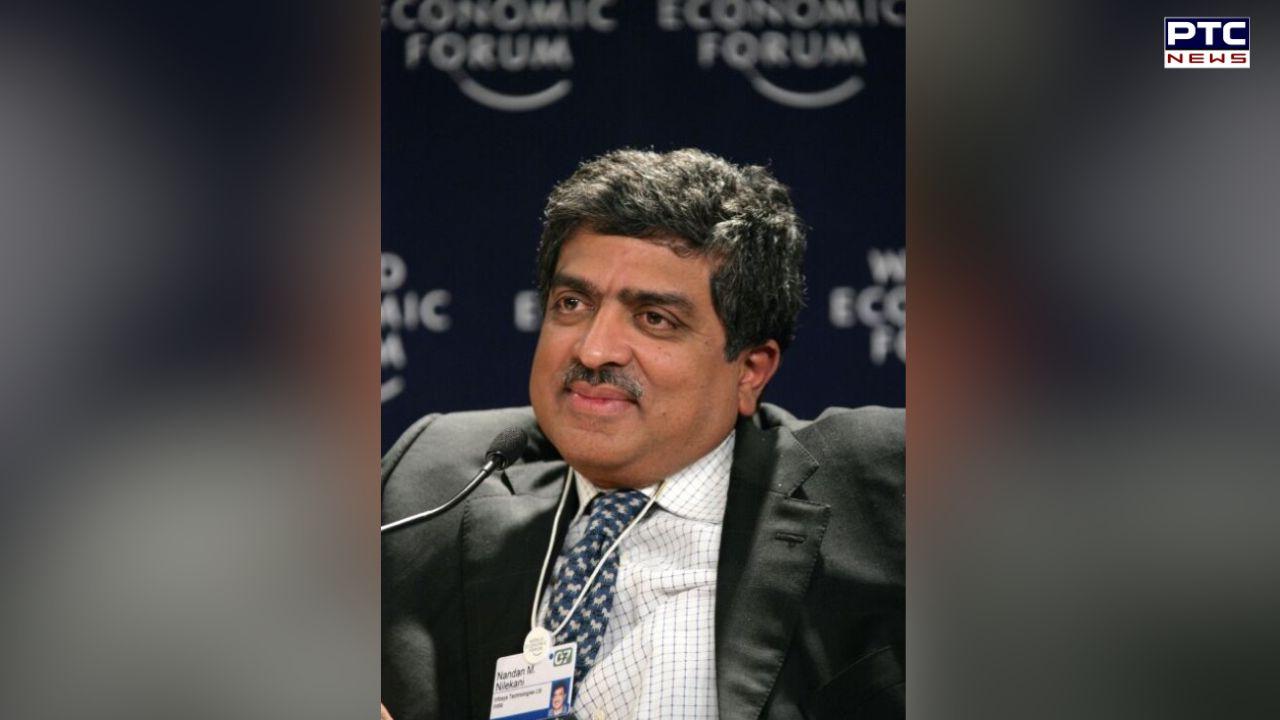
Nandan Nilekani, Infosys co-founder
Entrepreneur and Infosys co-founder, Nilekani will chair the task force. Widely regarded as the architct of the India's Aadhaar digital systems, he is expected to lead the panel in order to make the examination system leakproof, transparent and more secure with the help of high-powered technological systems.
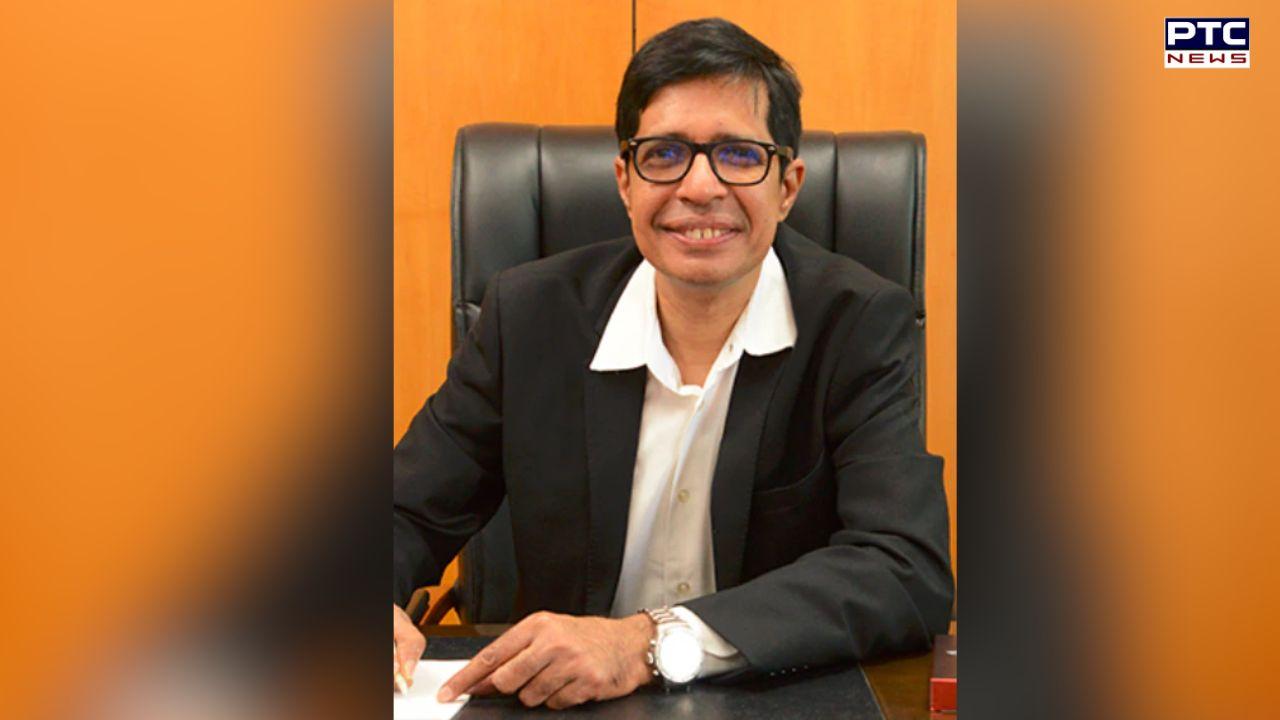
V Kamakoti, IIT Madras Director
Kamakoti can help strengthen the software and server systems used for computer-based tests to protect them from cyberattacks. AI can also be used to randomise questions for every computer, changing their order so that cheating methods like hacking local servers or screen-sharing become much harder.
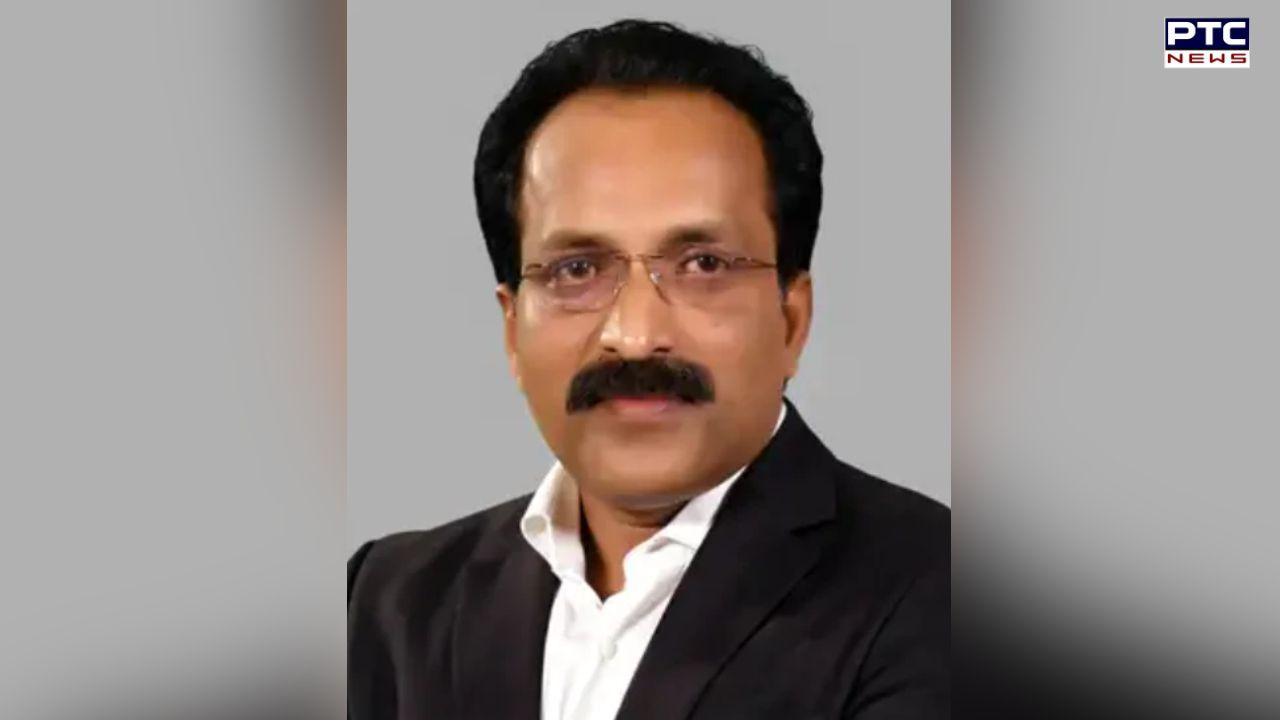
S Somanath, Ex ISRO chief
Former ISRO Chairman S Somanath can bring his experience in zero-error systems and cyber intelligence. Using the same high safety standards followed in space missions, he can suggest multiple layers of checks at every stage of the exam process, from preparing question papers to declaring results, reducing the chances of mistakes or technical problems.
Tapan Deka, Former IB Director
Former Intelligence Bureau Director Tapan Deka can help create intelligence networks and real-time cyber monitoring systems to identify exam mafias and paper-leak gangs before leaks happen. He can also recommend stronger security audits for examination centres.
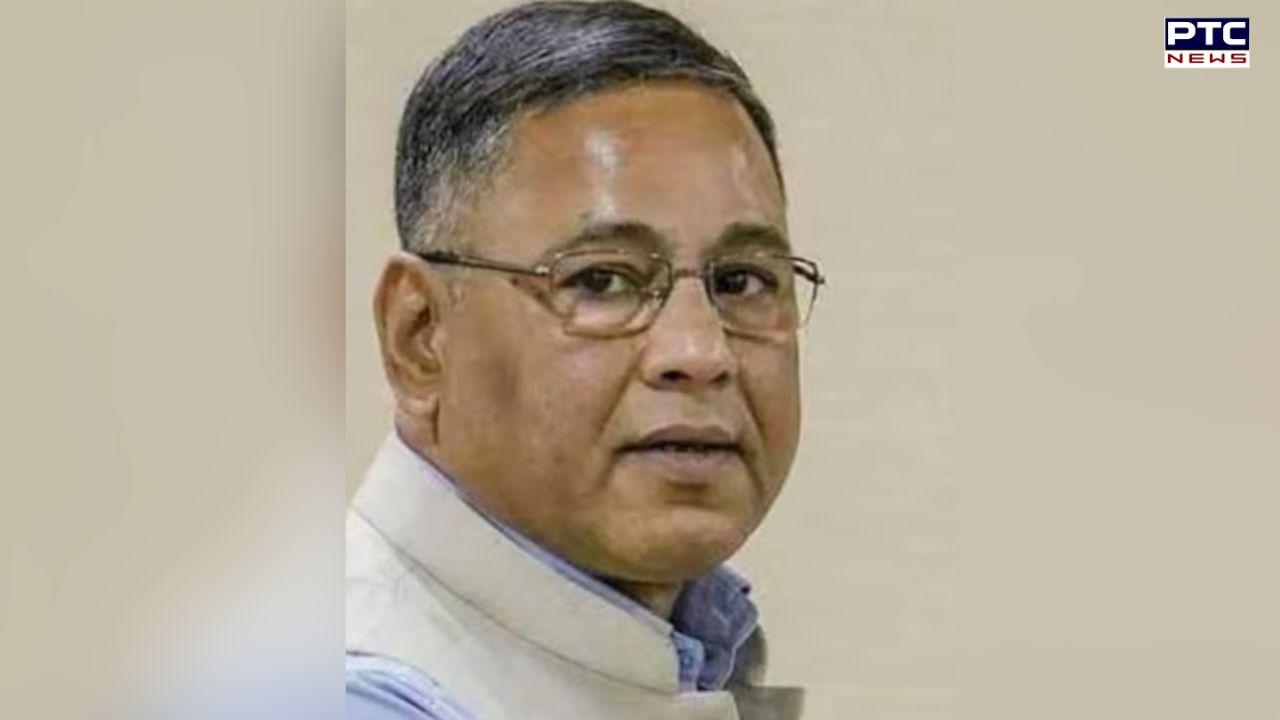
Amrit Lal Meena, Logistics expert
Logistics expert Amrit Lal Meena can improve the printing, storage and transport of question papers through tamper-proof systems such as GPS tracking and digitally locked containers that can only be opened at the right place and time. This would prevent papers from going missing or being photographed illegally.
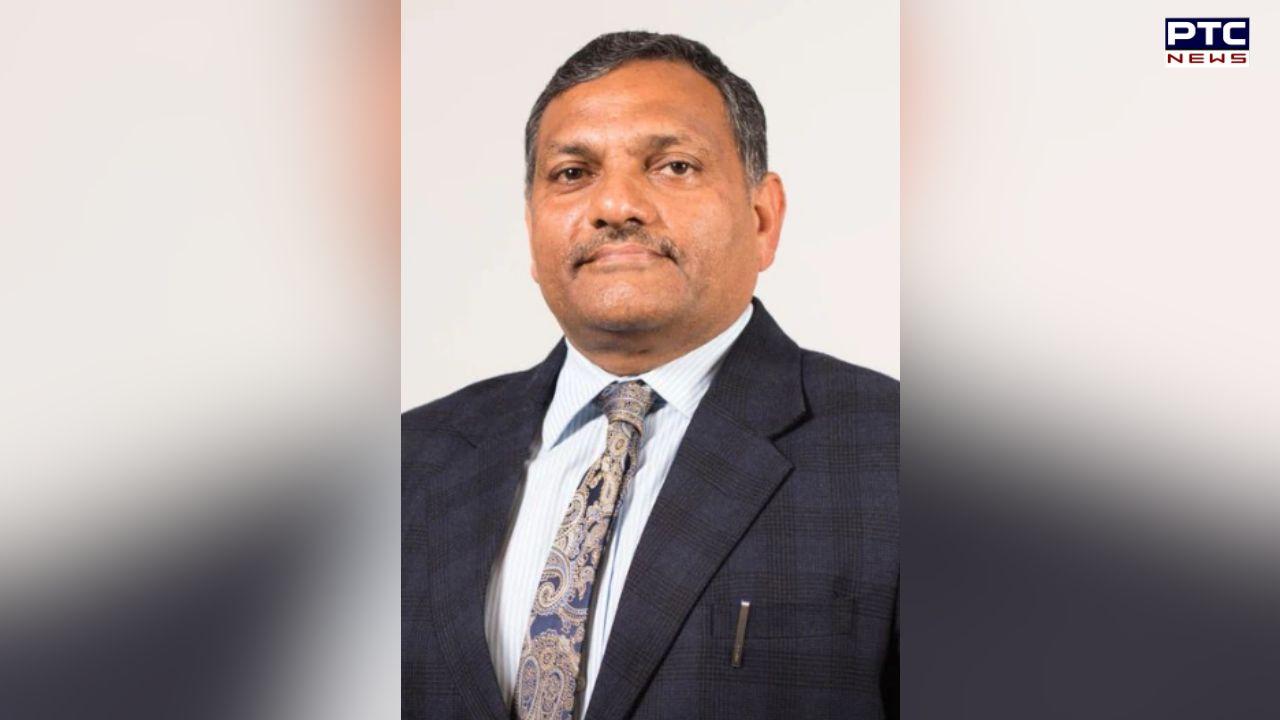
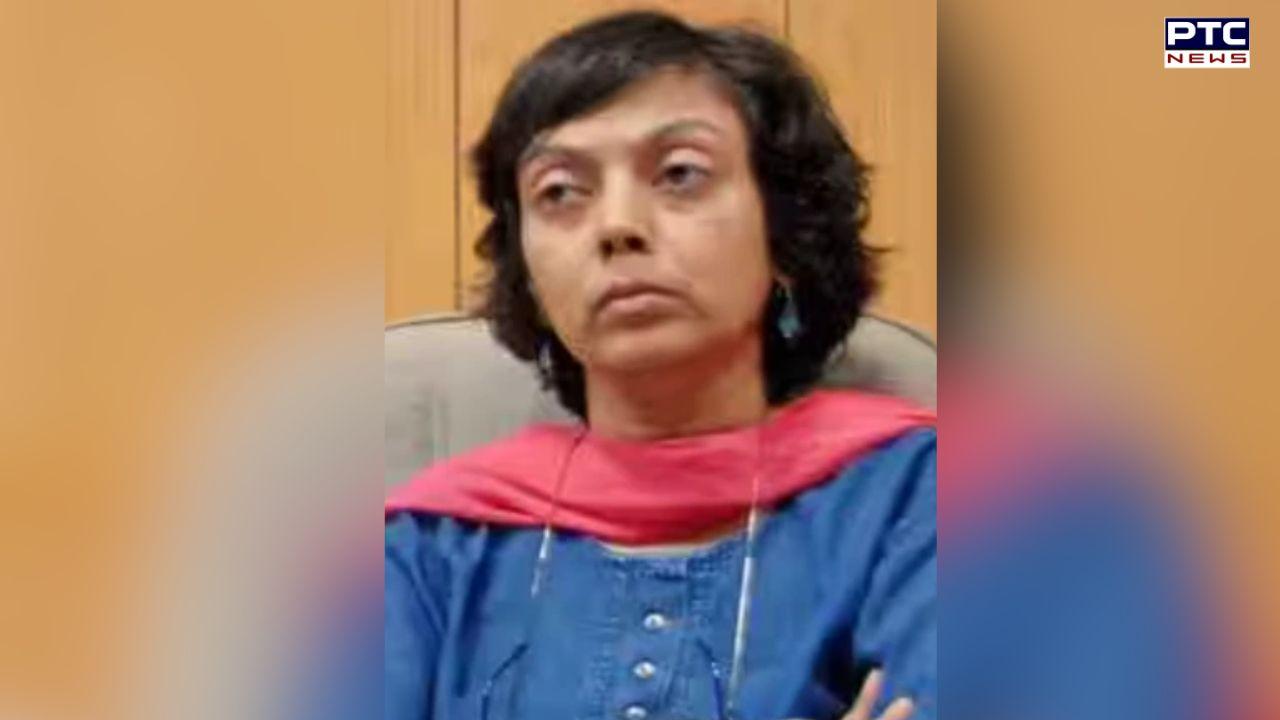
Anita Karwal, Former Education Secretary
Former Education Secretary and ex-CBSE chairperson Anita Karwal can provide guidance on education reforms and student-related policies. She can suggest clear rules on grace marks, quicker resolution of answer-key objections and strict SOPs for exam centres to ensure transparency and fair treatment for students.