CJP's Abhijit Dipke reacts to Pradhan's resignation, demands Rs 1 cr compensation for kin of NEET suicide victims





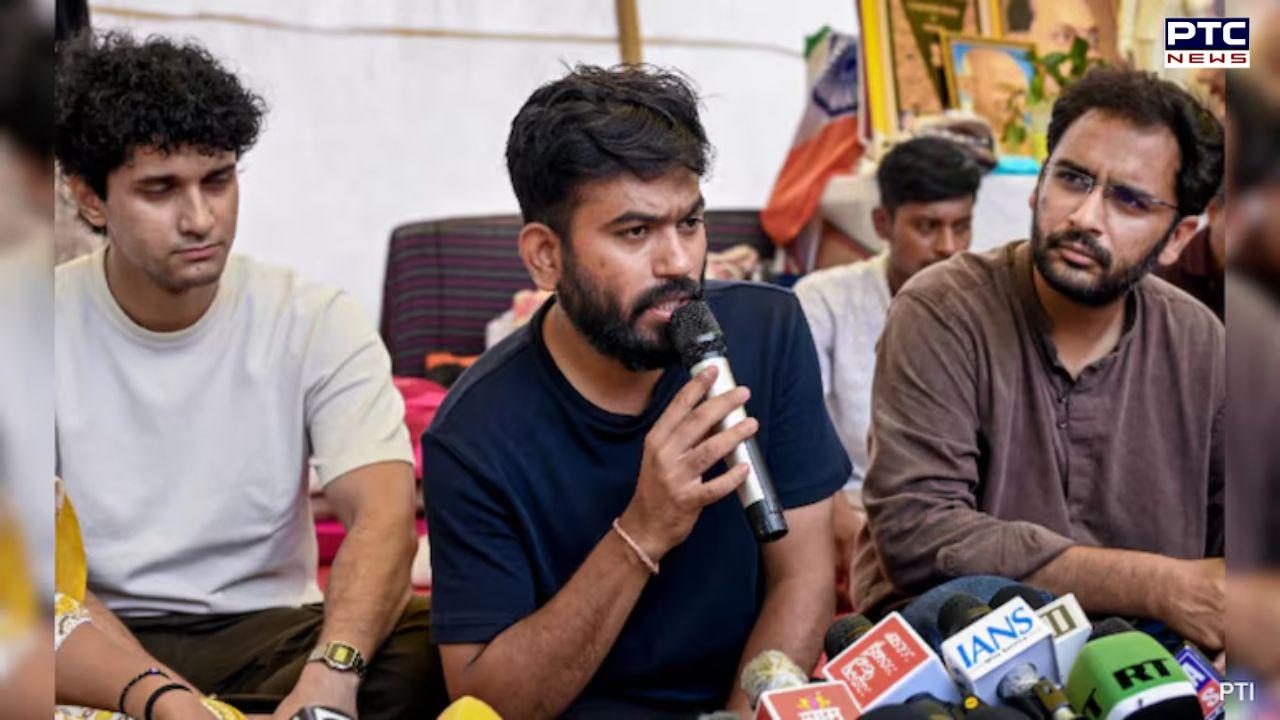
PTC News Desk: Union Education Minister Dharmendra Pradhan's resignation on Saturday prompted a quick response from Cockroach Janta Party (CJP) founder Abhijeet Dipke, who welcomed the move but said the protest at Delhi's Jantar Mantar would continue until the group's remaining demands are fulfilled.
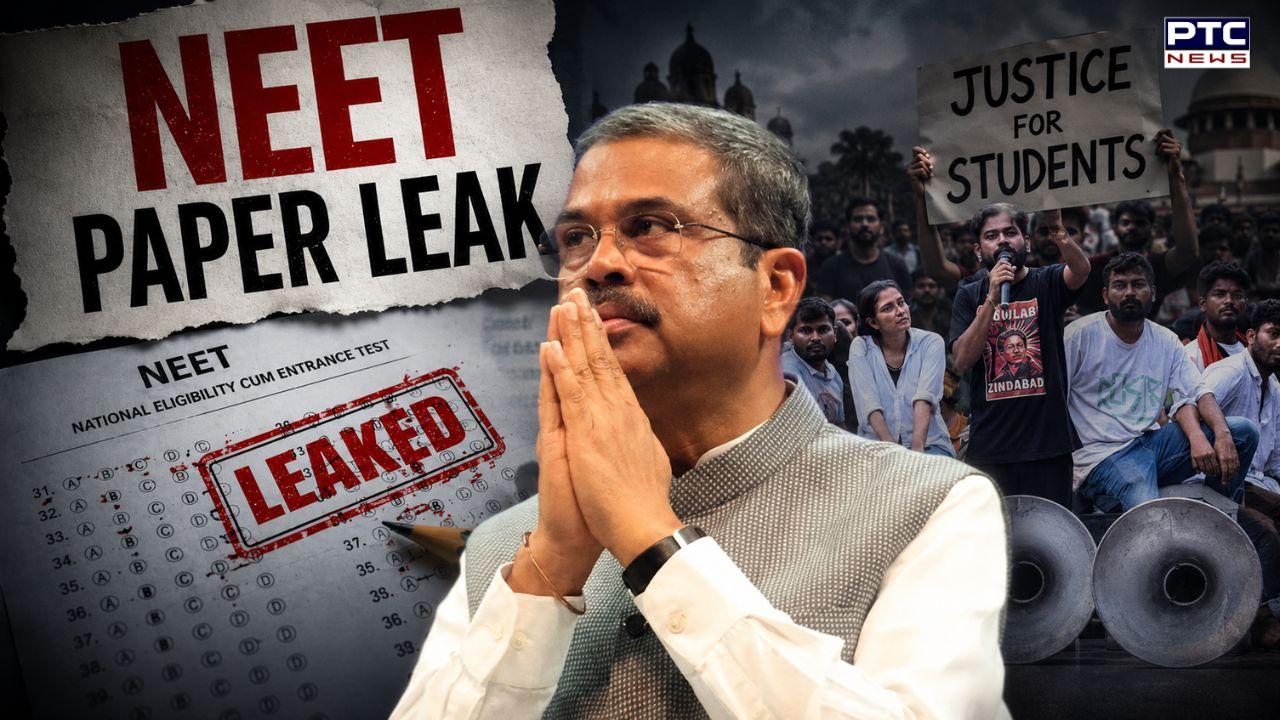
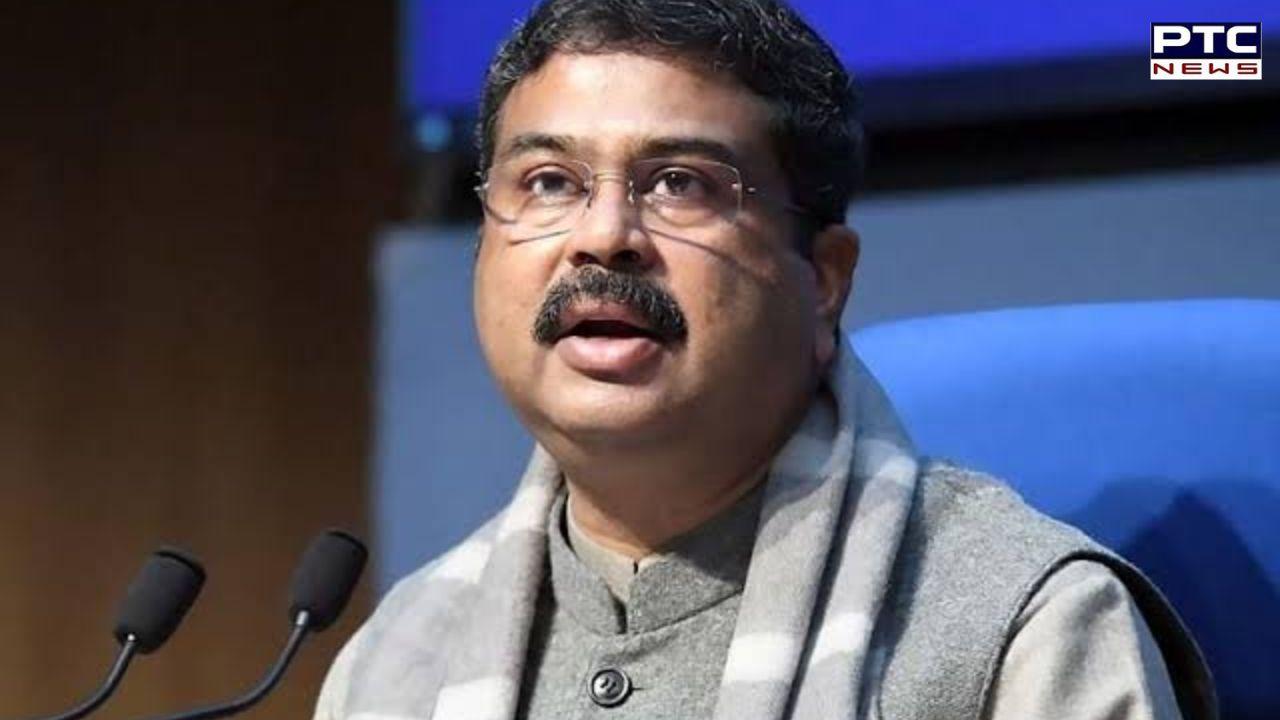
Pradhan announced earlier in the day that he had submitted his resignation to Prime Minister Narendra Modi. His resignation comes after weeks of protests over the NEET-UG 2026 paper leak and alleged irregularities in CBSE's on-screen marking process.
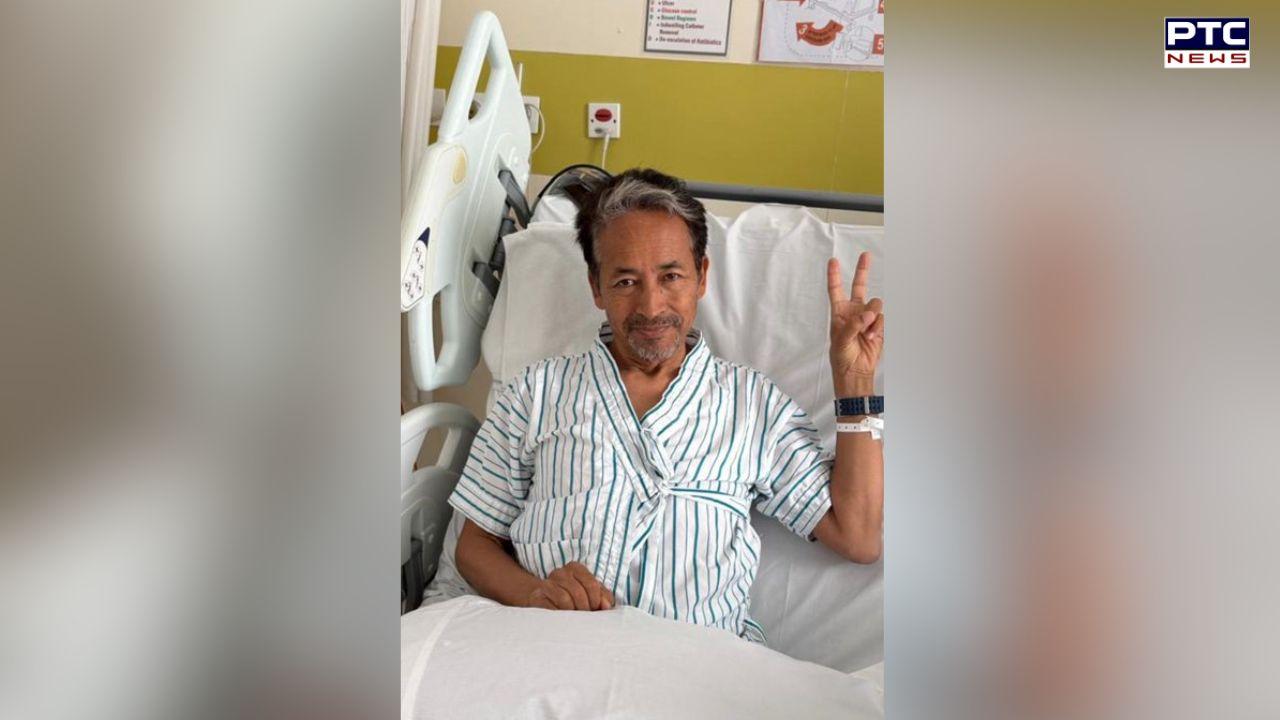
Also Read: 'Victory of democracy': Sonam Wangchuk's first reaction over Dharmendra Pradhan's resignation
Reacting to the news, Dipke said the resignation should not be mistaken for the end of the movement.
"There's no need to be afraid. This is democracy. He has resigned, but we have two more demands. We won't go like this," Dipke said.
CJP's Remaining Demands
Dipke said the first demand is compensation of ₹1 crore for the families of students who died by suicide following the exam controversy.
Also Read: Dharmendra Pradhan resigns as Education Minister amid students protest over NEET irregularities
He also demanded strict action against police personnel involved in the crackdown on protesters during the July 20 Parliament march.
Dipke ended his message by repeating the movement's slogan, warning the government not to underestimate the CJP.
Protest Began After NEET-UG Paper Leak
The CJP-led protest started in June 2026 after the government cancelled the NEET-UG 2026 examination following evidence of a large-scale paper leak.
The protest, centred at Jantar Mantar in Delhi, grew into one of the country's biggest youth-led movements in recent years. It received support from activist Sonam Wangchuk and several opposition leaders, including Rahul Gandhi.
The deaths of several NEET aspirants by suicide after the exam controversy became a major issue during the protests. The movement also intensified after police action against demonstrators during the July 20 march to Parliament, which CJP continues to highlight as one of its key grievances.
- PTC NEWS