Char Dham helicopter services grounded from Nov 2 as operators refuse DGCA’s two-pilot rule



PTC Web Desk: Helicopter flights on the Char Dham pilgrimage circuit stopped from Monday, November 2. Operators have refused to follow a Directorate General of Civil Aviation (DGCA) order that requires two pilots on every charter flight.
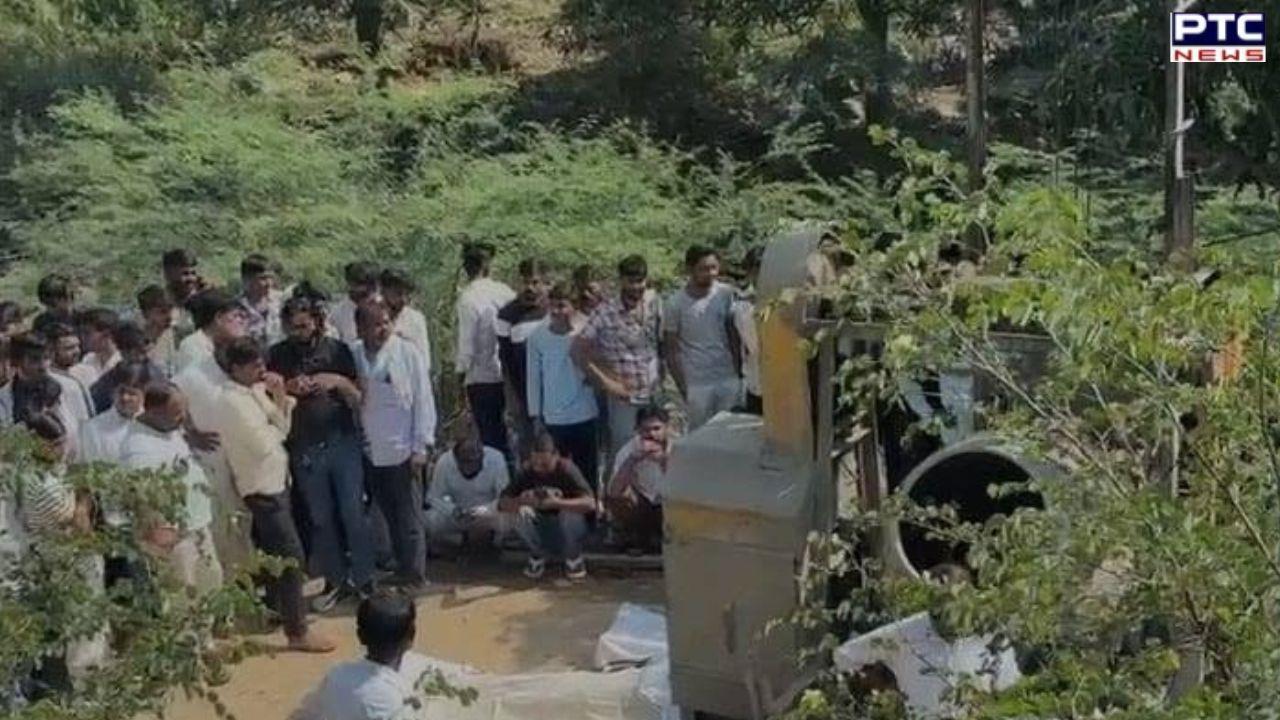
The DGCA issued the order on October 31, a day after a Trans Bharat Aviation helicopter crashed on October 30. Operators say they have told the regulator in writing that they cannot implement it. Flights will stay off until the order is withdrawn, they said.
Why operators say the rule doesn’t work
The helicopters used on the yatra routes, mainly the Airbus AS350/H125 and the Bell 407, are single-engine machines. Operators say the manufacturers and aviation authorities have cleared them for single-pilot commercial flying and that the DGCA accepted this when the aircraft were brought into India.
They also point to other countries. In their account, the United States, European nations, New Zealand and Nepal all allow single-pilot commercial flights on these helicopters in mountain regions such as the Alps, the Rockies and the Himalayas.
The money problem
A typical flight carries one pilot and six passengers. Adding a second pilot means removing two paying seats, so each trip earns a third less, while the operator also pays another crew member. The helicopters cost between Rs 25 crore and Rs 40 crore each and were bought on loans calculated around single-pilot flying.
One industry source said these aircraft simply cannot carry two pilots and still make commercial sense. He described the order as a ban on a whole class of helicopters and noted that loan repayments would continue even if flying stopped.
Questions about timing and the real causes
Operators also object that the order came before the Aircraft Accident Investigation Bureau (AAIB) had started its inquiry into the crash. In their view, accidents in this region come down to weather, visibility and decisions made in the air, not to a pilot being overloaded. They add that dual controls are taken out before passengers board, so a second pilot would have nothing to fly with.
There is a staffing worry as well. Operators say India does not have enough pilots with real mountain experience to fill a second seat on every flight. They fear less experienced pilots would end up in cockpits, which could make things worse.
Also Read | Captain Himanshu Sabharwal, pilot behind flowers shower on Guru Ram Das Ji's Parkash Purab, dies in Uttarakhand crash
- PTC NEWS