SC reserves verdict on plea seeking euthanasia for man in coma for 13 years





PTC News Desk: The Supreme Court on Thursday reserved its order on plea seeking euthanasia for 32-year-old man, who had remained in vegetative state for the past 13 years.
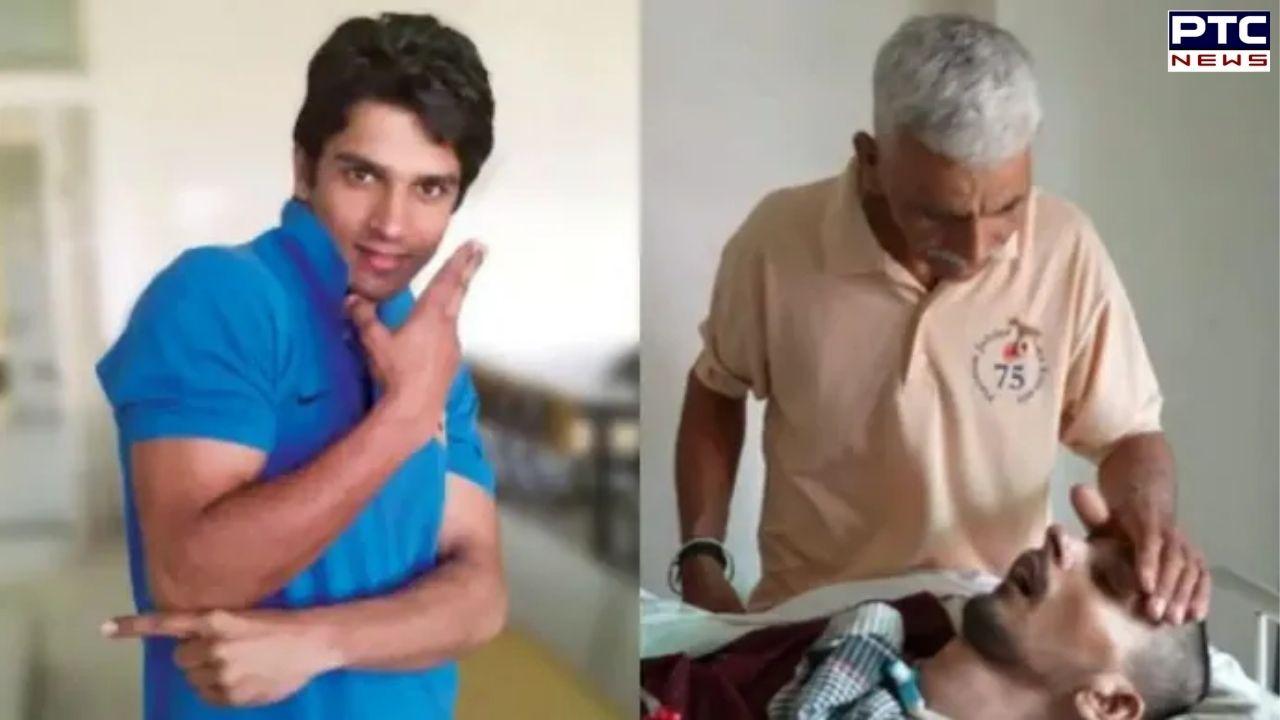
Harish Rana, 32, has been in a vegetative state for the past 13 years and his parents filed a petition seeking passive euthanasia. A bench of Justices JB Pardiwala and KV Viswanathan, who met the parents of Harish before the hearing, called it a "delicate issue".
"These issues are delicate. We are also mortals. Who are we to decide who lives or dies? We will consider withdrawing life-sustaining medical treatment," the Supreme Court said.
Harish, a resident of Delhi’s Mahavir Enclave, has been in a permanent vegetative state for more than a decade after a tragic fall from the fourth floor of his PG accommodation in Chandigarh on August 20, 2013. Then a college student, Harish suffered severe head injuries that left him with 100% disability, relying entirely on tubes for breathing and nutrition.
During the latest court hearing, the amicus curiae urged the court to allow passive euthanasia, describing the situation as “accelerating natural death.” Citing two medical board reports, the advocate argued that Harish’s chances of recovery were “negligible” and that prolonging treatment violated his fundamental right to live with dignity.
While active euthanasia remains illegal in India, passive euthanasia was first recognised by the Supreme Court in 2011 in the landmark Aruna Shanbaug case. Shanbaug, a nurse at Mumbai’s KEM Hospital, remained in a vegetative state for 42 years after a brutal assault in 1973. Although the court permitted passive euthanasia, she ultimately died of pneumonia in 2015.
In 2018, the Supreme Court further legalised passive euthanasia and issued detailed guidelines for its implementation. Harish’s case is now being evaluated under those provisions.
- With inputs from agencies