Punjab Cabinet raises tender-free purchase limit, orders audit of societies and trusts





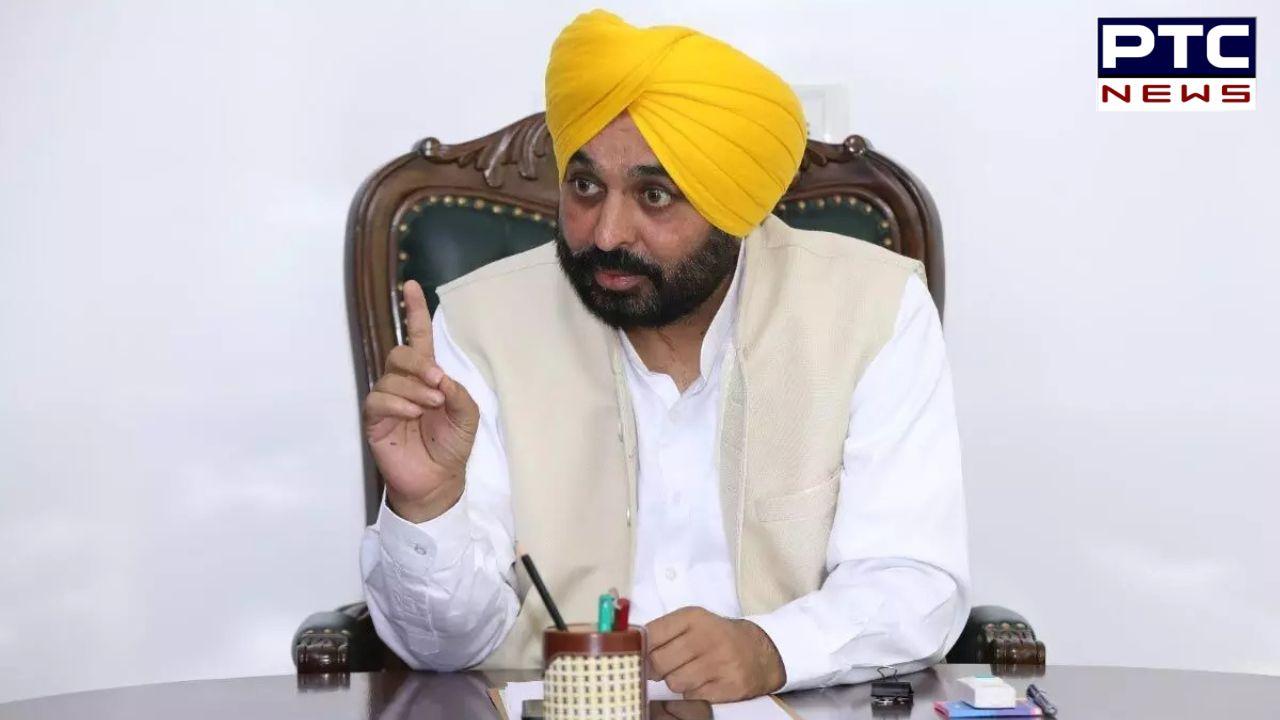
PTC Web Desk: The Punjab Government has approved a series of key administrative and public welfare reforms during the Cabinet meeting held on Friday in Chandigarh under the leadership of Chief Minister Bhagwant Mann.
One of the major decisions includes increasing the tender-free purchase limit for government departments. Under the revised procurement rules, departments can now buy goods worth up to Rs 5 lakh without issuing a tender, double the earlier limit of Rs 2.5 lakh.
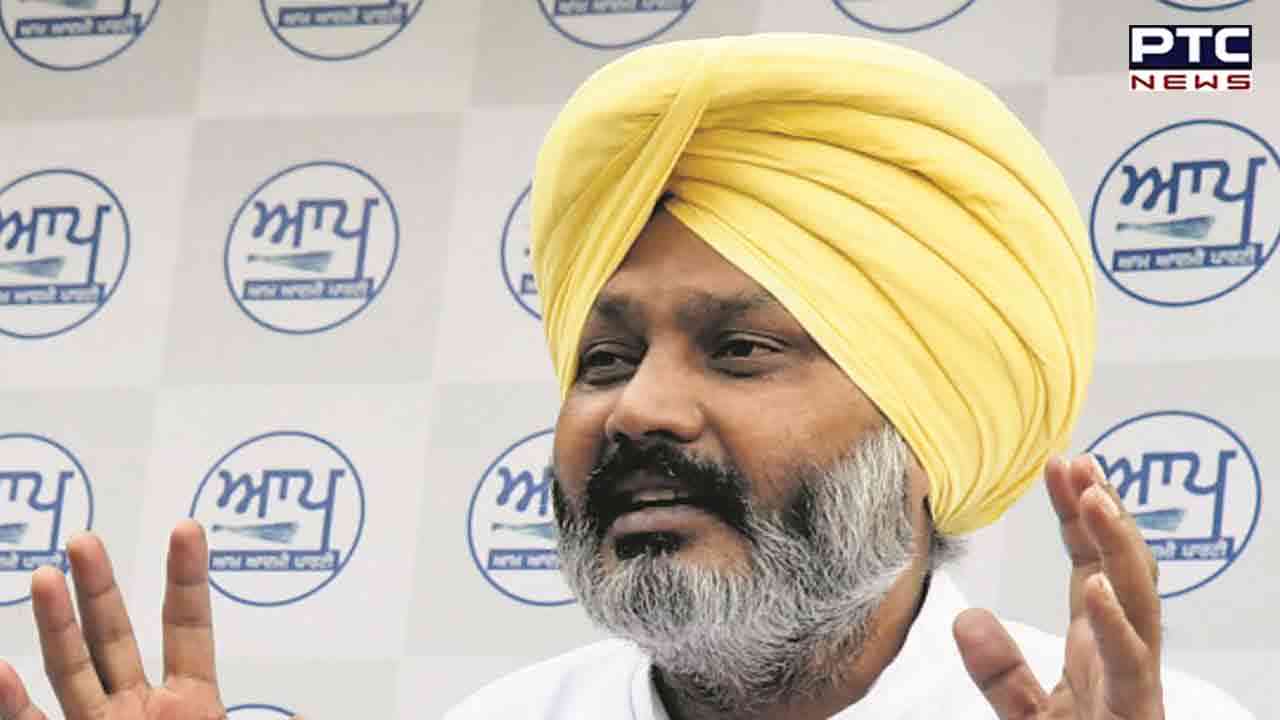
The Cabinet also cleared amendments to the long-standing Societies Registration Act. Finance Minister Harpal Singh Cheema informed that societies and trusts registered in Punjab would now undergo mandatory annual audits. A designated manager would be appointed to oversee financial inspections and ensure transparency. He highlighted that the 1860 Act was often misused, as individuals would register societies or trusts and later lease or sell them. The updated law aims to curb such malpractices and prevent fraud.
In a significant measure to curb illegal mining, the government will now require GPS devices to be installed in all vehicles involved in mining activities. Cheema said this tracking system would be compulsory and enable the state to monitor vehicle movement in real time. A separate authority would also be established to ensure transparency in the mining sector.
Changes have also been made in the Cooperative Department, where responsibilities have now been divided among different officials. Earlier, the same officer handled multiple roles, causing delays and dissatisfaction among the public.
The Cabinet further decided to offer special incentives for teachers and doctors posted in Punjab’s border districts. The Chief Minister has instructed officials to submit a proposal, which will be tabled at the next Cabinet meeting. The policy will cover seven districts located in the border belt.
The government also approved the empanelment of 300 private specialist doctors to strengthen health services in government hospitals. These specialists will be called on duty as needed and will receive fees starting from Rs 100 per patient. They will be allowed to examine 50 to 150 patients in OPD and 2 to 20 patients in indoor wards.
If a specialist is summoned during daytime instead of nighttime because the in-service doctor’s shift has ended, they will be paid Rs 1,000 for the shift. Nighttime incentives will be double the daytime amount. The step is expected to address the shortage of specialist doctors in many districts and prevent patient inconvenience.
- PTC NEWS