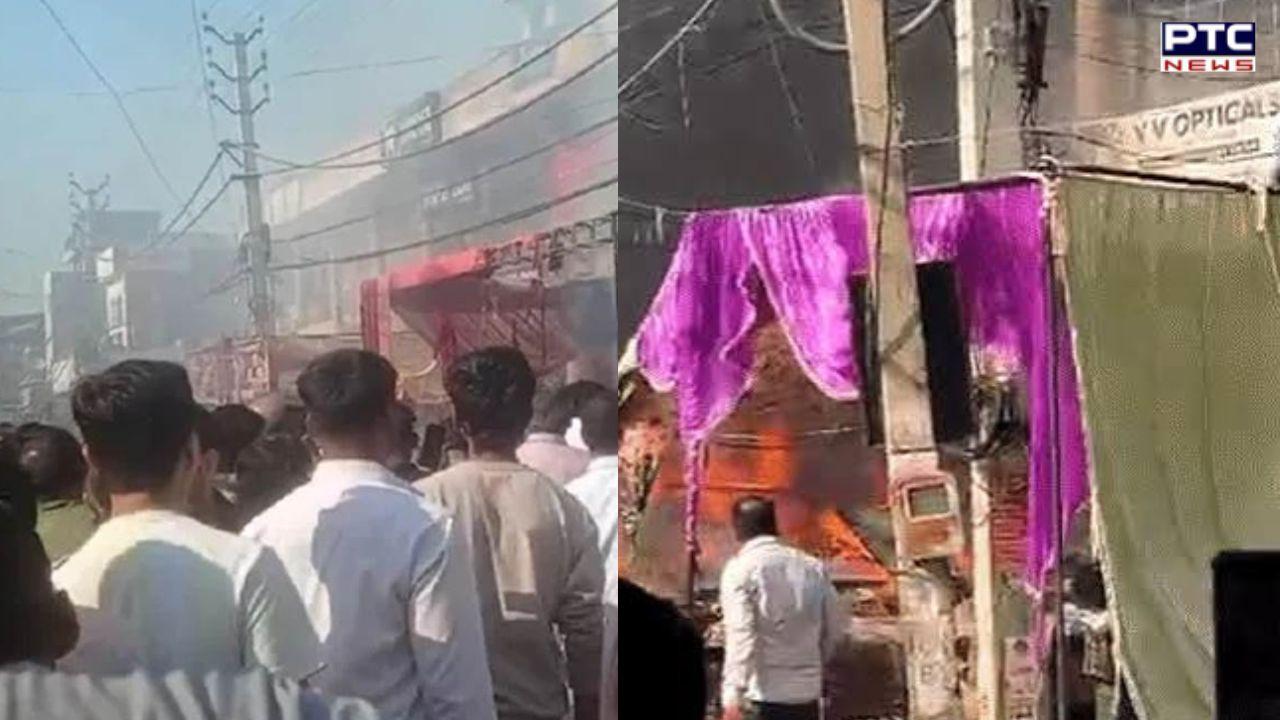
Firecrackers, farm fires leave Punjab under blanket of toxic air; Mandi Gobindgarh among worst-hit



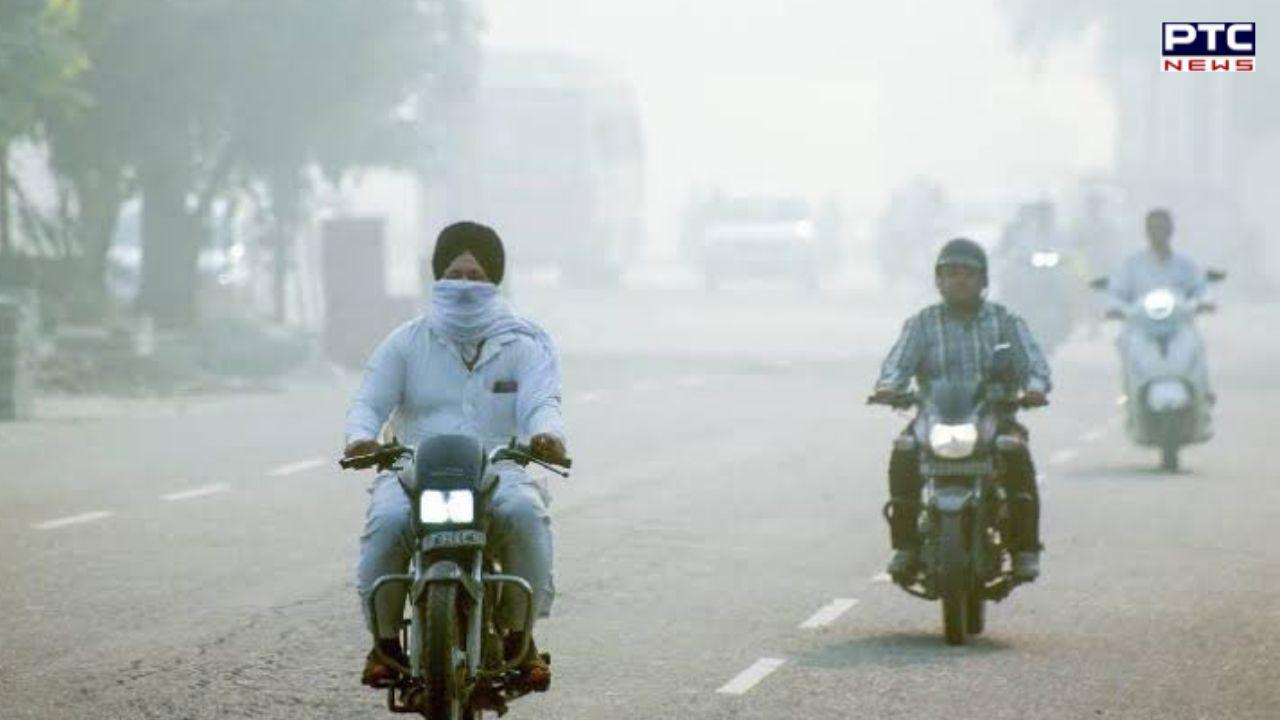
PTC News Desk: A combination of firecracker smoke, stubble burning, vehicle emissions, construction dust and garbage burning has pushed pollution levels across Punjab to dangerous levels. Several cities have reported a sharp fall in air quality after Diwali celebrations.
The situation became worse on Diwali night as people continued bursting firecrackers long after the time limit set by the government. This filled the air with smoke and exposed residents to harmful pollutants.
Also Read: Delhi left choking post-Diwali as AQI peaked overnight, air quality spikes to 'severe' amid curbs
Residents complained of a strong smell of burnt firecrackers, with smoke hanging over residential areas and roads. The situation worsened further due to the ongoing paddy stubble-burning season, along with pollution from vehicles, dust and garbage burning.
Major cities had also recorded high pollution levels before Diwali. On November 7, Ludhiana recorded an AQI of 281, Jalandhar 260, Patiala 184 and Khanna 249. Ludhiana, Jalandhar and Khanna were in the 'poor' category, while Patiala was in the 'moderate' category.
Amritsar, meanwhile, continued to remain in the 'very poor' category. The situation is expected to remain worrying as smoke from firecrackers adds to the pollution caused by farm fires.
Stubble-burning incidents have also been rising in Punjab, with the total number of cases crossing 3,300 by November 7.
According to the national AQI scale:
0–50: Good
51–100: Satisfactory
101–200: Moderate
201–300: Poor
301–400: Very Poor
401–500: Severe
Health experts have warned that poor air quality can cause breathing problems, especially among people suffering from lung and heart diseases or asthma. It can also worsen skin, eye and nose allergies.
Children, elderly people and those with existing breathing problems are at greater risk from prolonged exposure to polluted air.
- PTC NEWS