Hormuz crisis deepens: NATO allies refuse military role as Iran tensions escalate, US faces strategic setback





PTC Web Desk: The ongoing conflict involving Iran, the United States and its allies has entered a critical phase, with no clear resolution in sight even after more than two weeks of escalating hostilities. What initially appeared to be a strategic advantage for Washington has now turned into a complex geopolitical challenge.
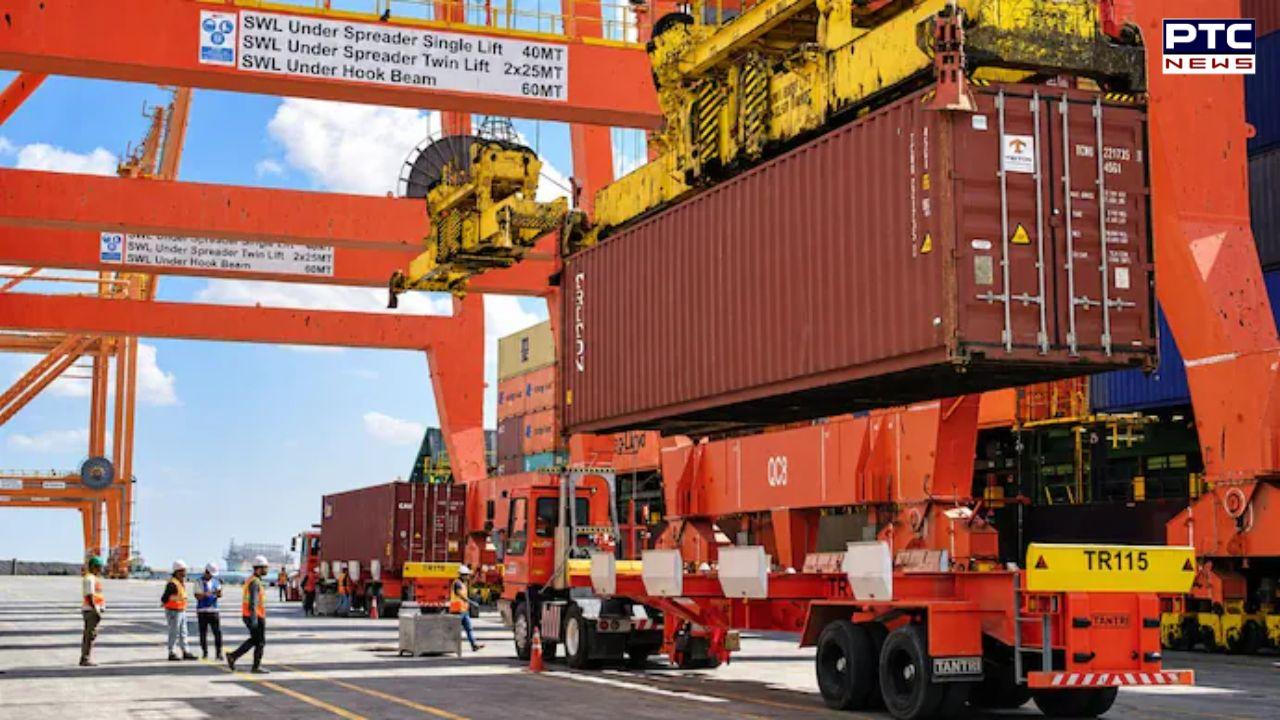
A major turning point came when Iran reportedly disrupted oil shipments through the Strait of Hormuz, a vital global trade route responsible for nearly 20% of the world’s oil and gas supply. The move has triggered concerns across international markets, impacting global energy prices and economic stability.
In response, US President Donald Trump has urged NATO allies to assist in reopening the passage. However, key European nations have declined to deploy naval forces, signaling a lack of consensus within the alliance.
Germany has taken a firm stand against military involvement. Chancellor Friedrich Merz stated that no agreement had been made regarding military participation, ruling out any such role for Berlin. While he criticised Iran’s leadership, he emphasised that military aggression is not the right approach. Defense Minister Boris Pistorius echoed similar sentiments, asserting that the conflict does not directly concern Europe.
The United Kingdom has also expressed caution. Prime Minister Keir Starmer acknowledged the importance of keeping the Strait open but ruled out immediate military engagement, stressing the need for broader international agreement before taking action.
Italy joined other European nations in advocating diplomacy over confrontation. Foreign Minister Antonio Tajani stated that existing European naval missions are defensive in nature and should not be transformed into combat operations.
Several other countries, including France, Australia and Japan, have similarly declined to send warships, reinforcing a global preference for diplomatic solutions rather than escalation.
The European Union has also rejected calls to expand its maritime operations into the Strait. Foreign policy chief Kaja Kallas indicated that there is currently no consensus to widen the scope of ongoing missions.
Meanwhile, tensions on the ground continue to rise. Israel has intensified its military campaign, launching strikes in major Iranian cities such as Tehran, Shiraz and Tabriz. Israeli officials claim the operation aims to weaken Iran’s missile capabilities and nuclear infrastructure.
Iran, on the other hand, has issued strong warnings against any direct US military intervention. Foreign Minister Abbas Araghchi stated that while Iran does not seek war, any conflict must end in a way that deters future aggression.
Casualty figures continue to rise on multiple fronts. Reports suggest significant losses in Iran, including civilians, while the United States has confirmed injuries and fatalities among its personnel. In Lebanon, Israeli ground operations against Hezbollah have further intensified the humanitarian crisis, with hundreds reported dead.
- With inputs from agencies