Why is life left-handed? 2026 Chemistry Nobel goes to Kagan and Soai for answering a 100-year-old puzzle | Explainer





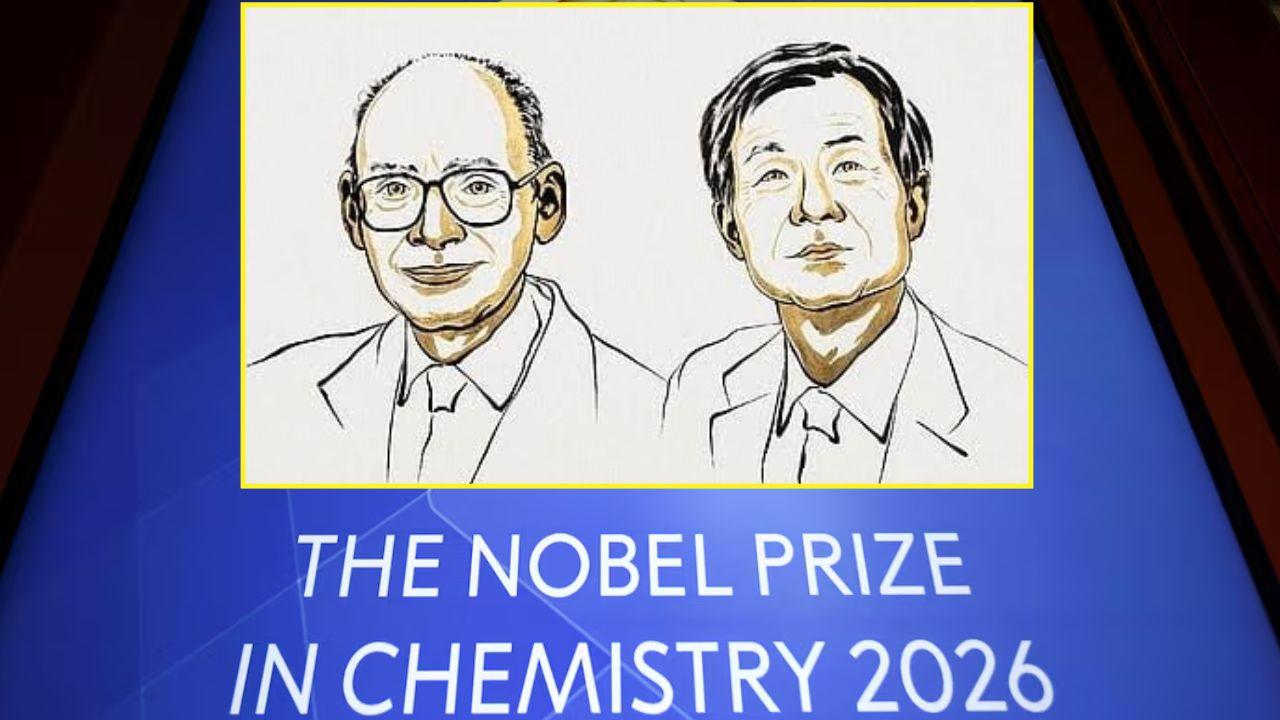
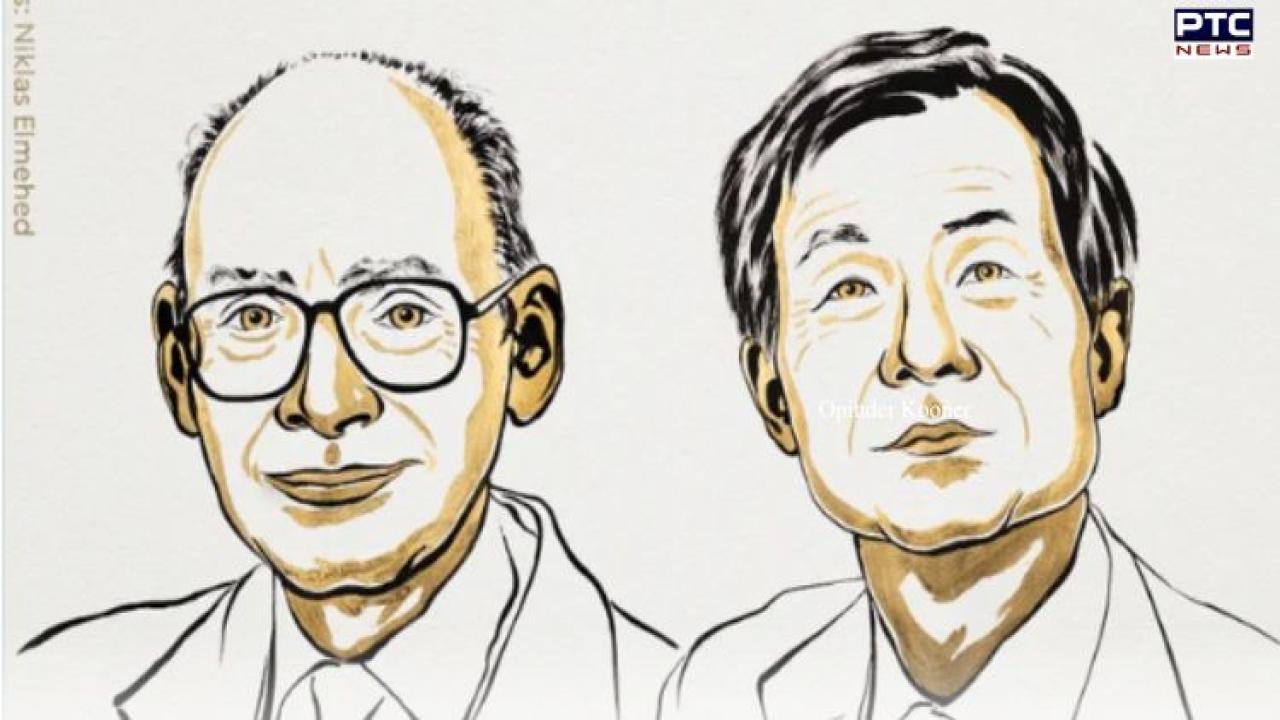
PTC Web Desk: Two chemists, Henri B. Kagan of France and Kenso Soai of Japan, have won the 2026 Nobel Prize in Chemistry. They were honoured for work that helps explain a question scientists have argued about for more than a hundred years: why does life use only one "version" of many important molecules?
The Royal Swedish Academy of Sciences gave the award for their discovery of non-linear effects and autocatalysis in asymmetric organic synthesis. The Academy also pointed out that, apart from living things themselves, nobody had managed to do this before.
What is 'handedness' in chemistry?
Look at your hands. They are the same in every way, yet you can't fit a left glove on your right hand. Some molecules work like this. They come in two forms that are mirror images of each other. The atoms are the same and are joined the same way, but the shape is flipped. Scientists call this property chirality.
It matters a lot in biology. Take amino acids, the small units that make up proteins. They can exist in both mirror forms, but living things almost always use just one of them to build proteins.
So how did life end up choosing a side? Chemists tried to find out for decades. The problem was that when they made such molecules in the lab, they usually got both forms in about equal amounts.
Also Read | Nobel Prize in Physics 2026 goes to Belgian-American scientist Francis Halzen for catching 'ghost particles' from deep Space
Also Read | Nobel Prize 2026: Medicine prize awarded to three scientists for research into brain activity
What Kagan did
In 1986, Kagan found a way to steer a reaction so that one mirror form came out in much larger amounts than the other. This showed that reactions don't always have to produce an even split.
What Soai did
Soai took the idea much further. In 1995, he reported a reaction that could boost one handedness. It worked through autocatalysis, which means the product of the reaction helps speed up the same reaction that made it. This sets up a loop. Even a tiny difference at the start keeps growing bigger.
By 2003, he had shown a reaction that produced almost only one of the two mirror forms. Outside of living systems, no one had reached this level before. When a system ends up with mostly one hand, it is called homochirality.
Why it matters
This is not just a puzzle for textbooks. Two mirror versions of the same molecule can act very differently inside the human body. That is why drug makers often need to produce only one specific form. Control over handedness is a big deal in medicine and in making medicines at scale.
Heiner Linke, chair of the Nobel Committee for Chemistry, said the two scientists solved a mystery more than a century old: how homochirality can appear on its own.
Soai, speaking on the phone after the announcement, said he was very excited and called it one of the most exciting days of his life. He added that he was happy to share the prize with Kagan.
In short, their work shows that chemistry can take a very small preference and grow it into a strong one. That may point to how life's own handedness began.
- PTC NEWS