PM Modi invited to attend Tarique Rahman’s swearing-in as Bangladesh ushers in new political chapter





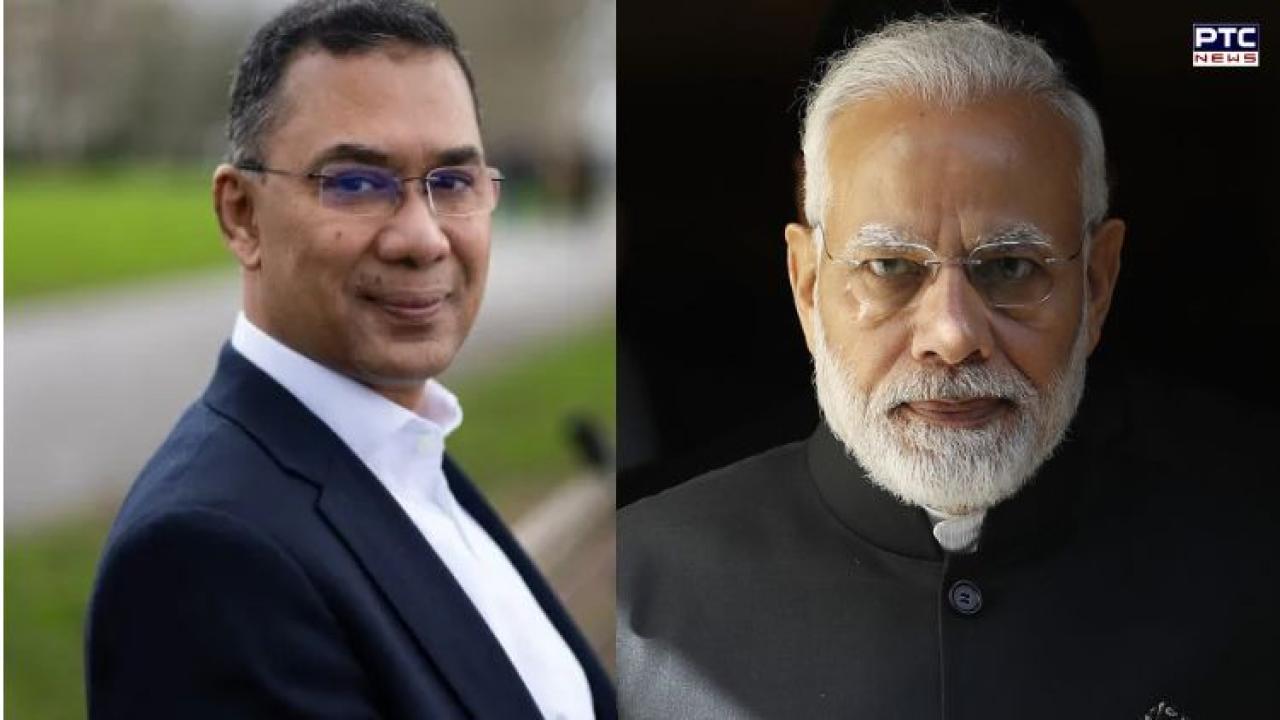
PTC Web Desk: Prime Minister Narendra Modi has been invited to attend the swearing-in ceremony of Bangladesh’s newly elected Prime Minister, Tarique Rahman, following his party’s emphatic victory in the country’s first general election since the ouster of Sheikh Hasina.
Rahman, leader of the Bangladesh Nationalist Party (BNP), is scheduled to take oath on February 17. The invitation to India was extended by Chief Adviser of the interim government, Muhammad Yunus. India is among 13 nations invited to the ceremony, alongside China, Saudi Arabia, Pakistan, Turkey, the United Arab Emirates, Qatar, Malaysia, Brunei, Sri Lanka, Nepal, the Maldives and Bhutan.
The BNP secured a decisive mandate in the 297-member parliament, winning 209 seats. The right-wing Jamaat-e-Islami clinched 68 seats. The Awami League, led by former Prime Minister Sheikh Hasina, did not contest the election. The polls recorded a voter turnout of 59.44 per cent, marking a significant political shift in the country.
Tarique Rahman, son of former Prime Minister Khaleda Zia and the late President Ziaur Rahman, returns to power after spending 17 years in self-imposed exile in London. His victory signals the BNP’s return to governance after nearly two decades out of office.
Following the announcement of the results, Prime Minister Modi held a telephone conversation with Rahman and extended his congratulations. In a message shared on social media platform X, Modi reaffirmed India’s commitment to strengthening bilateral ties and supporting the aspirations of the Bangladeshi people.
“As two close neighbours with deep-rooted historical and cultural ties, India remains committed to the peace, progress and prosperity of both our peoples,” Modi said, adding that he looks forward to working closely with Rahman to advance shared development goals.
Rahman, in his first public comments on India ties after the election, stated that Bangladesh’s national interests would guide his foreign policy approach. He emphasised the importance of maintaining balanced relations with regional powers, including India, China and Pakistan, and stressed that Dhaka would not consider any country as a “master.”
The BNP also expressed optimism about future engagement with New Delhi. In a post responding to Modi’s message, the party said it looked forward to constructive cooperation rooted in mutual respect and sensitivity to each other’s concerns, with a shared aim of ensuring peace and stability in South Asia.
Meanwhile, former Prime Minister Sheikh Hasina remains in India after stepping down in August 2024 amid widespread student-led protests. Bangladesh has since sought her extradition over cases linked to the unrest, adding another sensitive dimension to evolving ties between the two neighbours.
- With inputs from agencies