US-Iran conflict escalates: Pentagon gears up for Iran ground ops as 3,500 troops deployed in Middle East





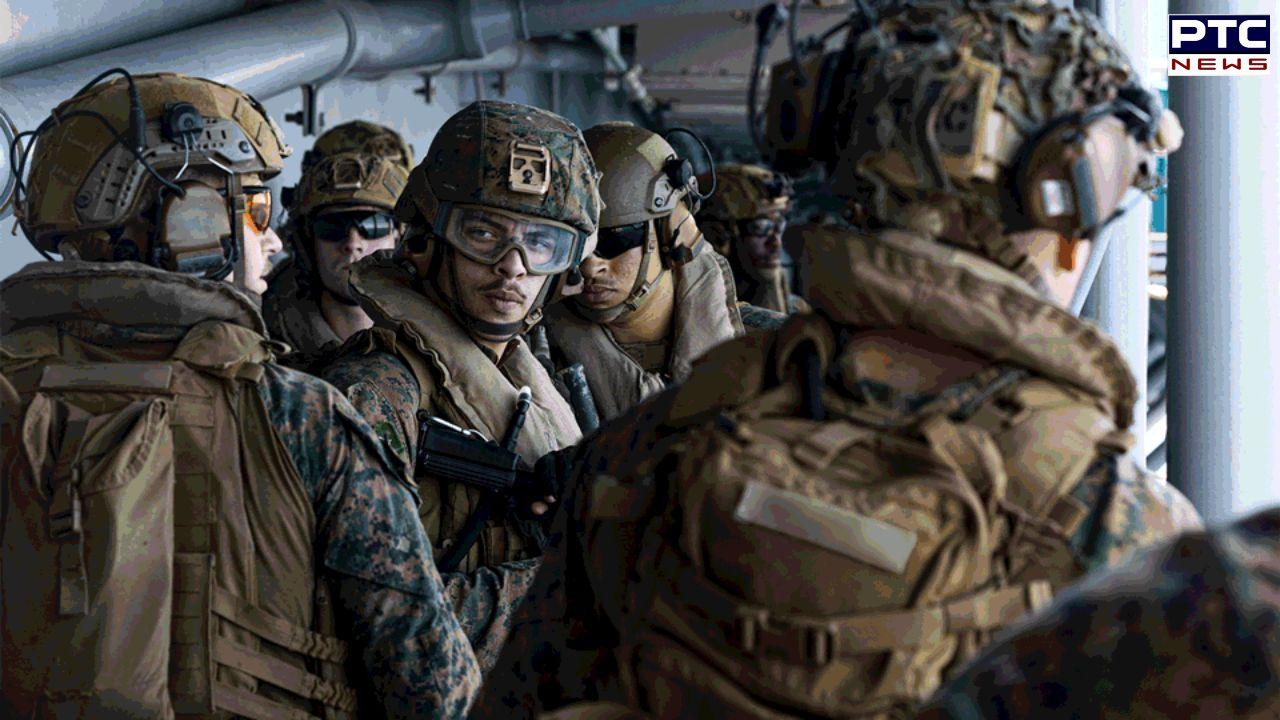
US-Iran conflict escalates: The United States has ramped up its military presence in the Middle East with deployment of over 3,500 troops as the conflict with Iran escalates with the USS Tripoli carrying around 2,500 Marines now in its operational zone, according to the U.S. Central Command.
According to Central Command, over 11,000 targets have been struck since the launch of Operation Epic Fury on February 28, underscoring the scale of ongoing military operations.
According to Central Command, more than 11,000 targets have been hit since Operation Epic Fury began on February 28, showing how large the military campaign is. U.S. Secretary of State Marco Rubio said the United States wants to achieve its goals without sending ground troops, but added that President Donald Trump must be ready for any changes in the situation. Tensions increased after Iran launched missiles and drones at Prince Sultan Air Base in Saudi Arabia, injuring at least 10 U.S. personnel. At the same time, Iran continues to control the Strait of Hormuz, disrupting global oil supply and raising fuel prices.
The situation became more complicated when Yemen’s Iran-backed Houthis claimed responsibility for a missile fired toward Israel. Their involvement has raised concerns about the safety of key shipping routes, especially the Bab el-Mandeb Strait, which is important for global trade and connects to the Suez Canal.
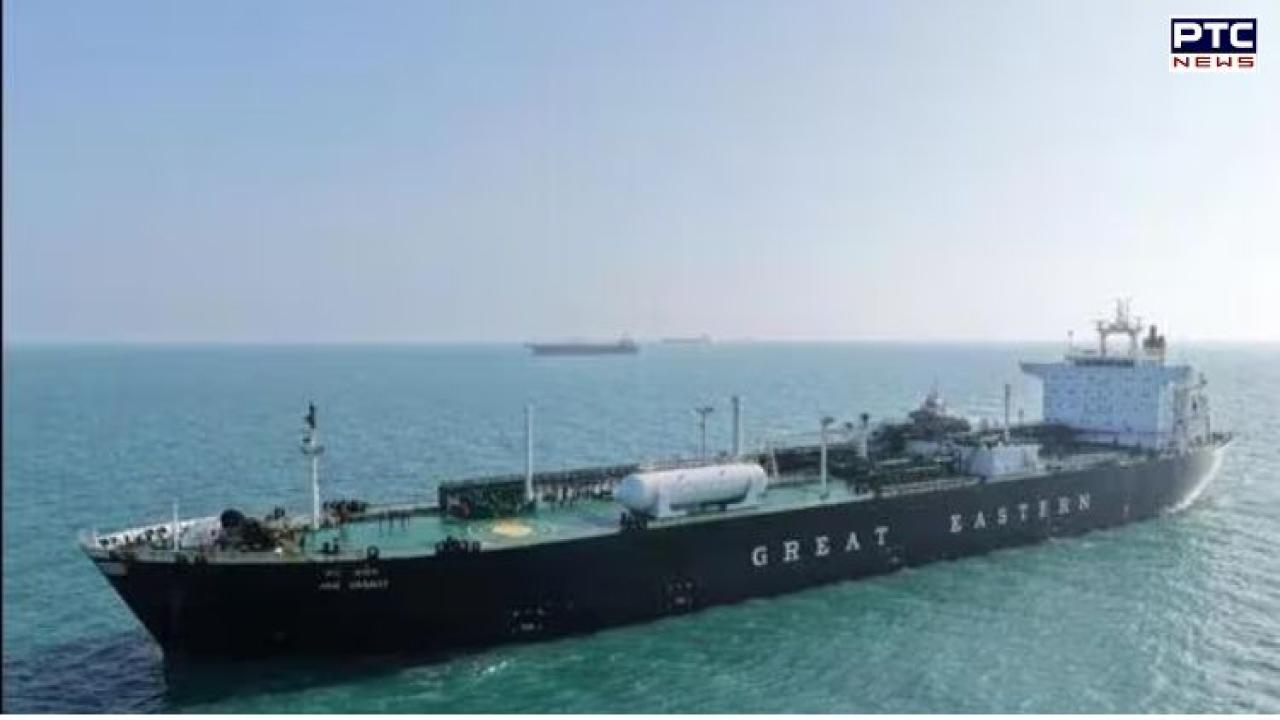
The conflict has already affected international shipping and flight routes, with many countries looking for alternatives as the Strait of Hormuz remains largely closed. Experts warn that more attacks by the Houthis on commercial ships could worsen maritime security and push energy prices even higher.
Diplomatic efforts have not made progress. The U.S., through envoy Steve Witkoff, предлож a ceasefire plan to limit Iran’s nuclear program and reopen key routes. However, Tehran rejected the proposal and responded with its own demands, including compensation and recognition of its sovereignty.
With no signs of the conflict easing and more groups getting involved, the risk of wider instability in the region is increasing.
- With inputs from agencies