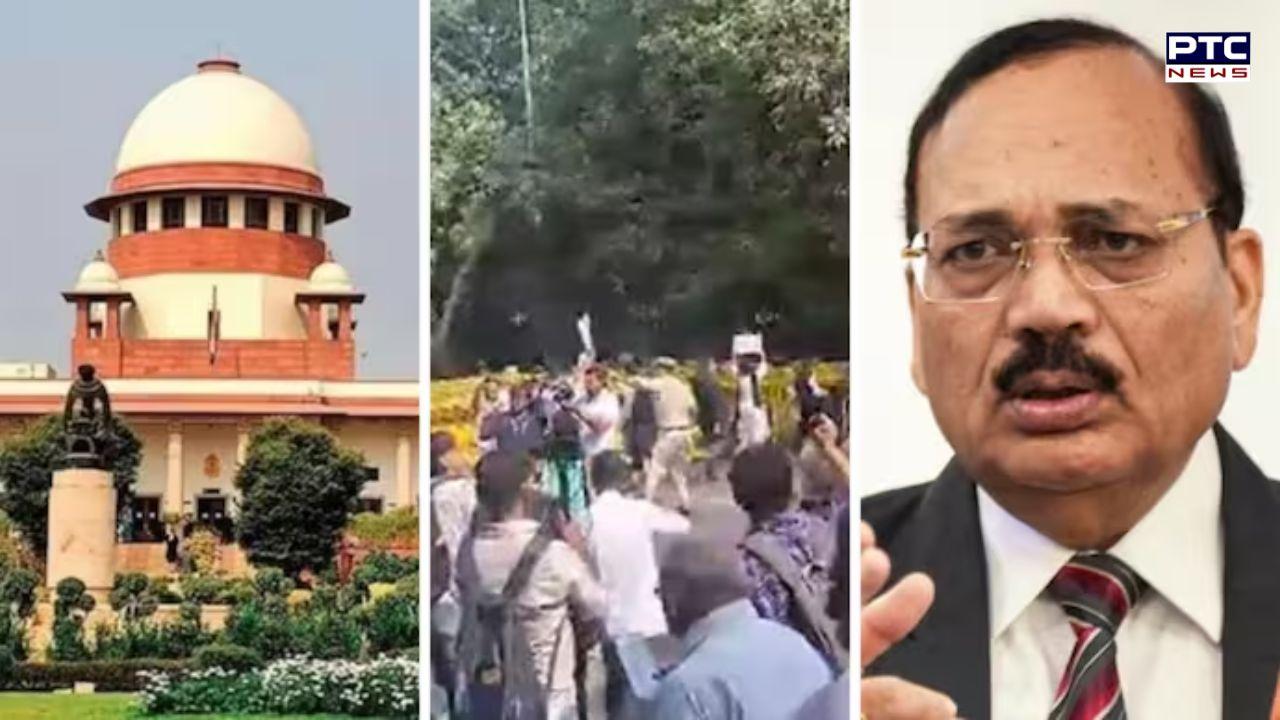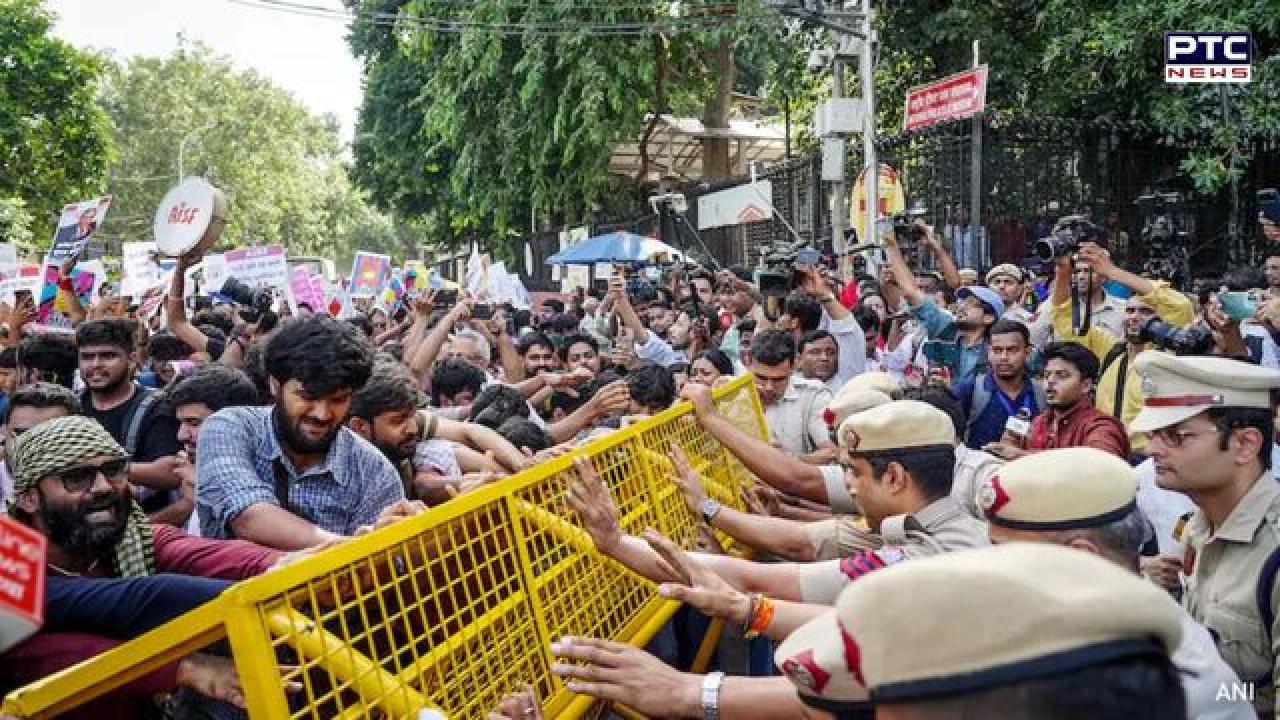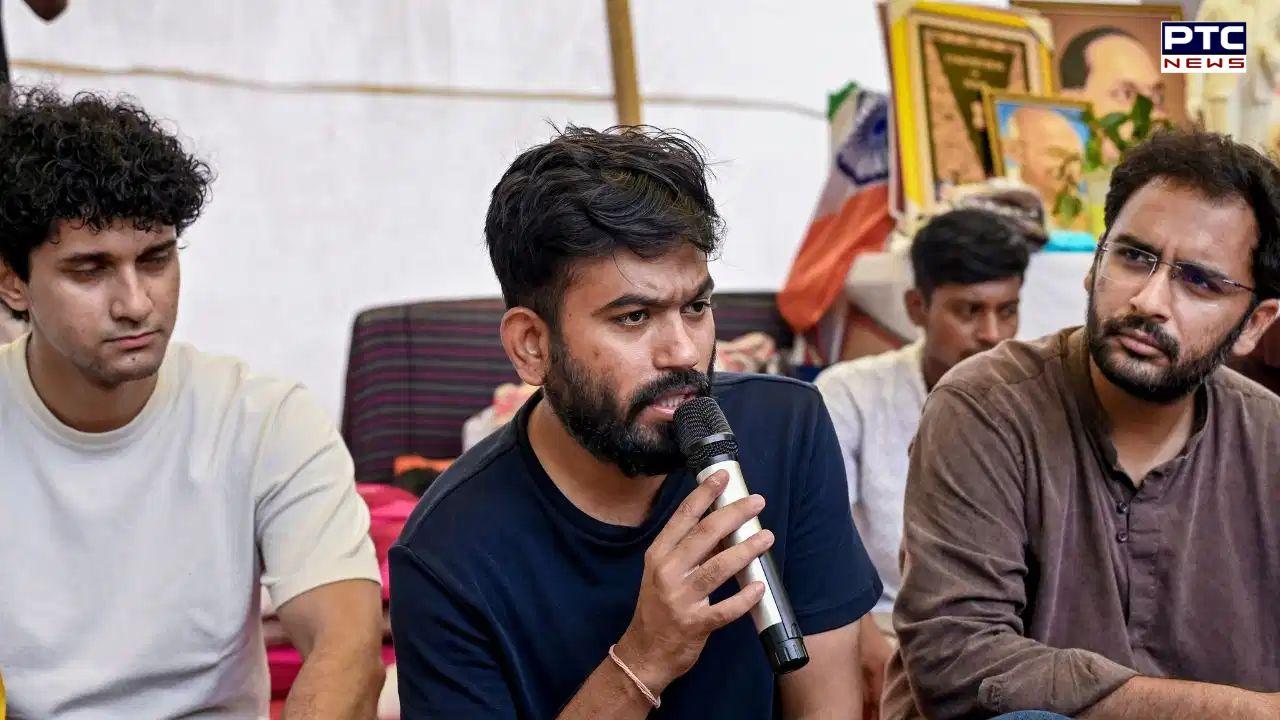
Abhijeet Dipke, 2 other CJP leaders under preventive arrest ahead of stir; Dhruv Rathee freed





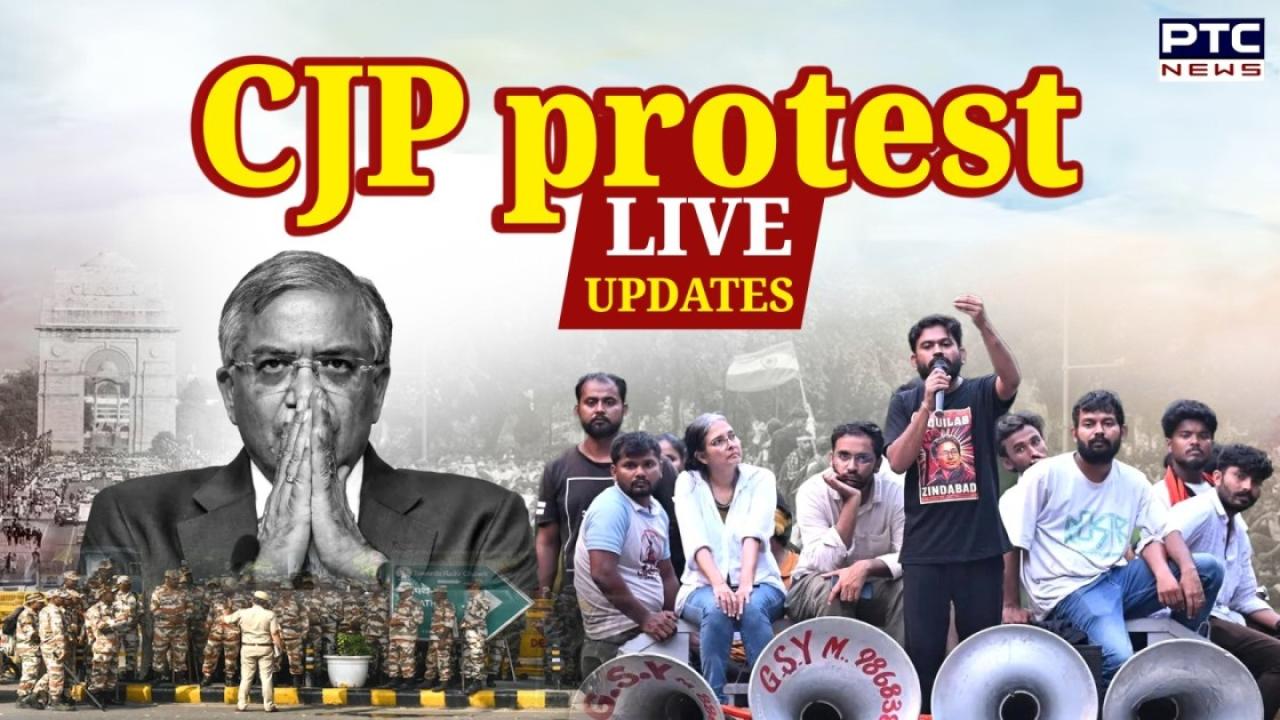
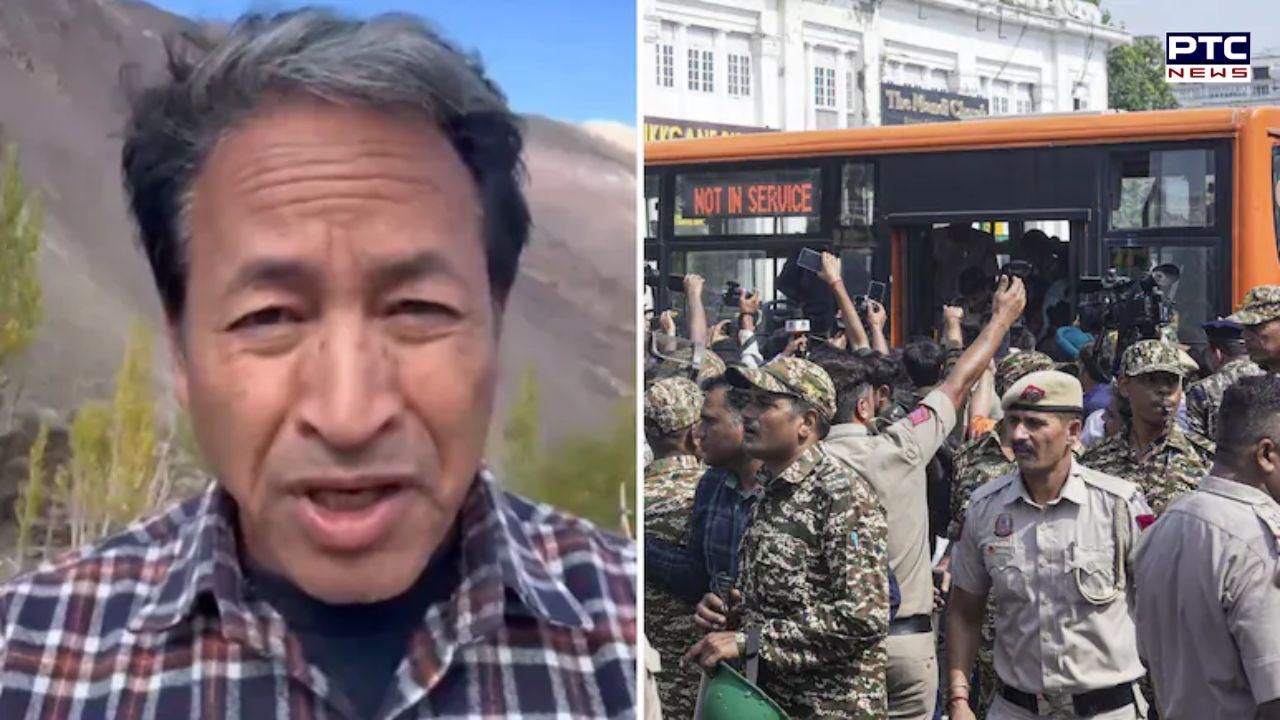
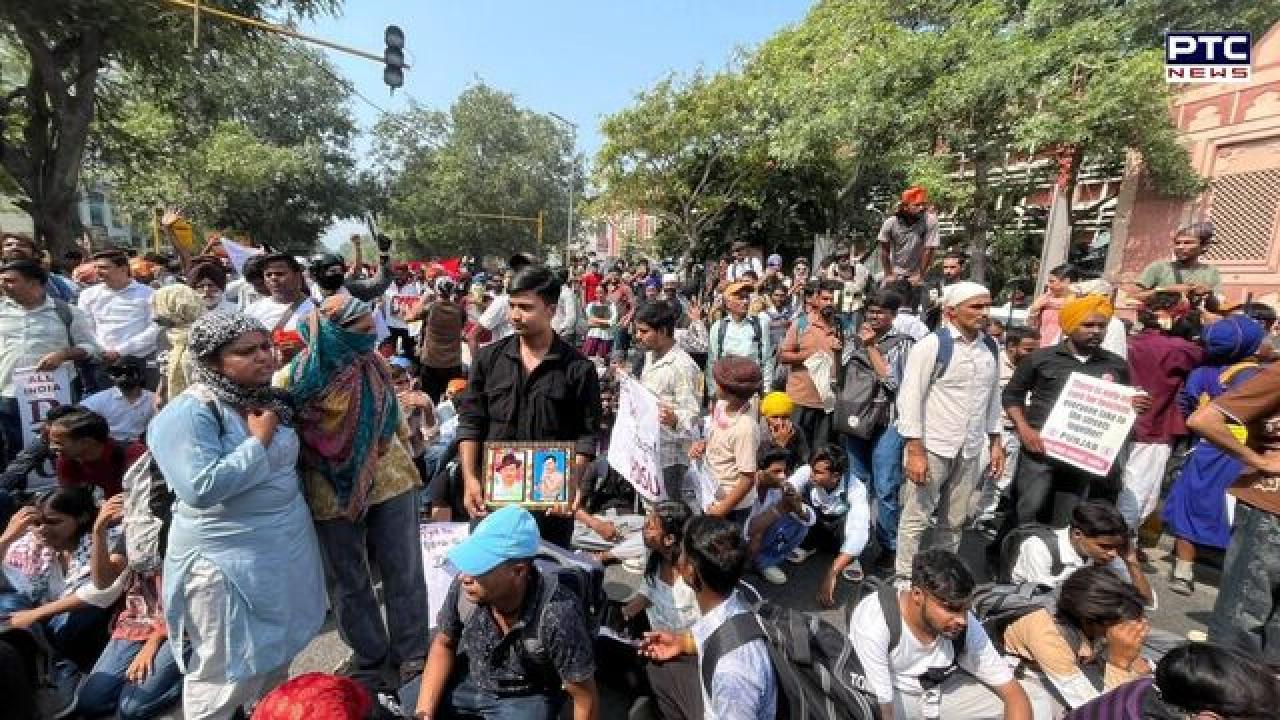
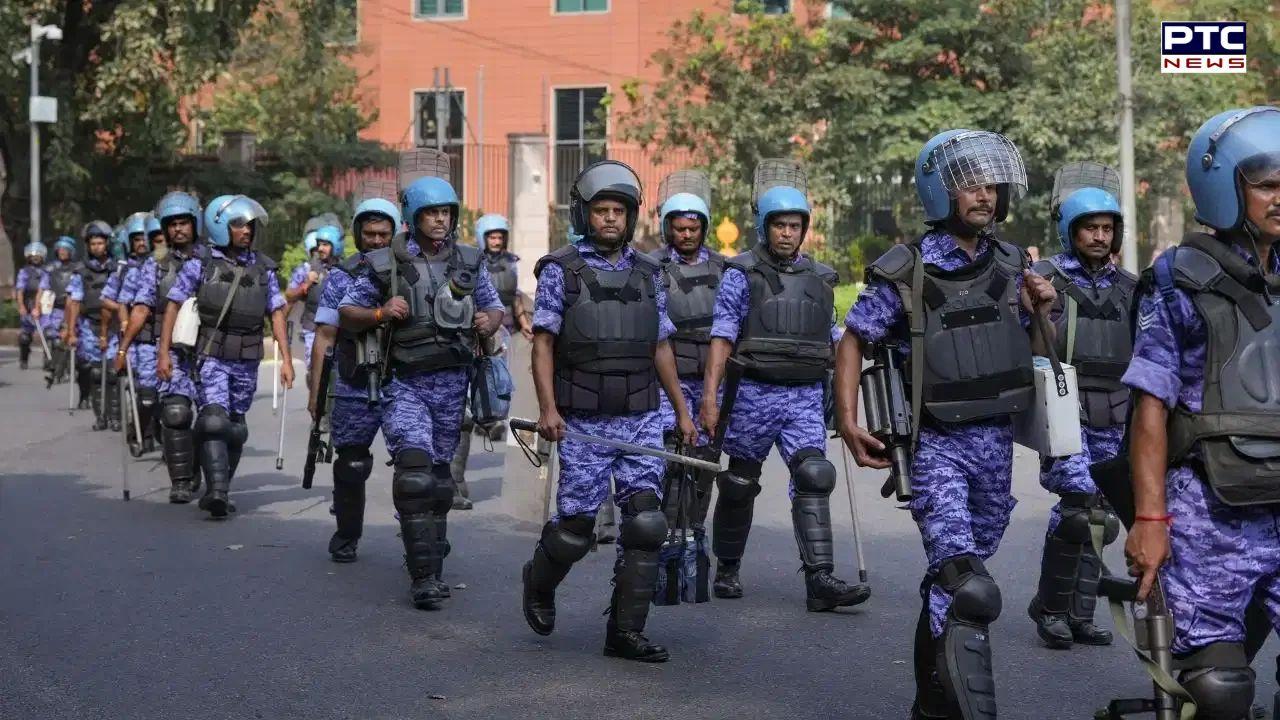
PTC News Desk: Cockroach Janata Party (CJP) leaders Abhijeet Dipke, Saurav Das and Ashutosh Ranka were released on Sunday after being detained by Delhi Police ahead of their planned protest demanding the resignation of Chief Election Commissioner Gyanesh Kumar.
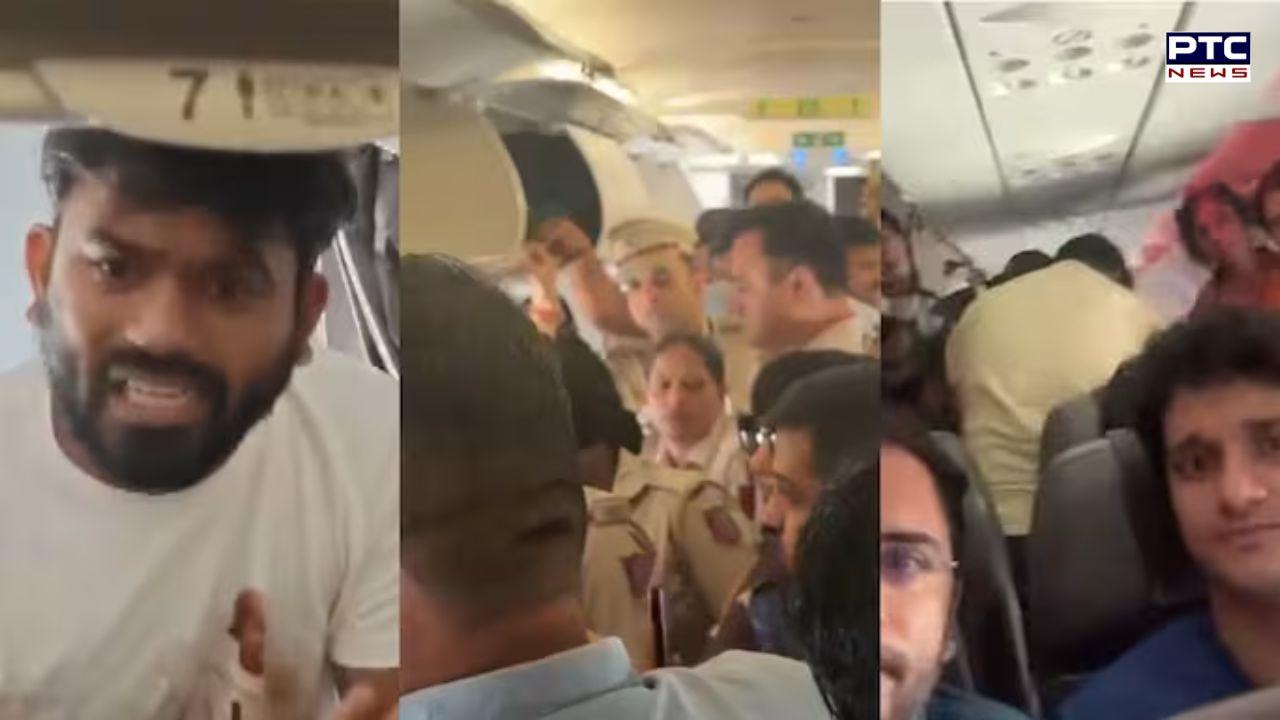
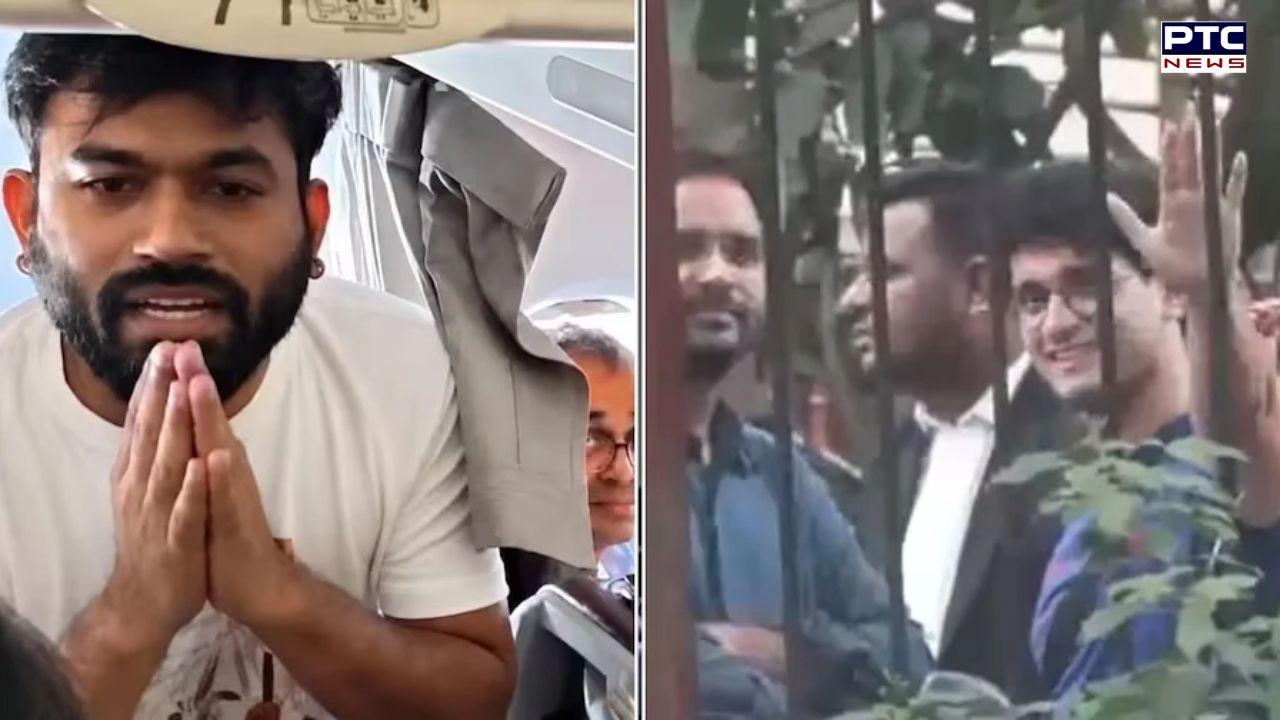
The three leaders were detained inside an Air India flight shortly after it landed in Delhi on Saturday. They were later produced before the Additional City Magistrate (ACM) court in Delhi Cantonment.
A Delhi Police team, consisting mostly of women officers, boarded the aircraft from Mumbai soon after it landed and detained the three leaders. Fellow passengers watched the incident and recorded it on their mobile phones.
Videos from inside the plane showed Dipke appearing agitated and questioning the police action. He told the officers that he had come to Delhi prepared to be arrested.
Dhruv Rathee also released
Meanwhile, YouTuber and influencer Dhruv Rathee, who was detained from his home in Gurugram shortly before the protest, was released at around 3 am on Sunday.
Ratna Singh, head of the CJP’s legal team, had earlier said in a post on X that a Delhi Police official informed her that the three leaders would be produced before a magistrate. She added that she would visit Delhi Cantonment Police Station with other lawyers representing the party.
What is preventive detention?
Preventive detention is a legal measure used to prevent a person from allegedly committing an offence or disturbing public order. Police can take preventive action to avoid a possible breach of peace, but they must follow the applicable legal provisions and safeguards.
Producing the three CJP leaders before a Special Executive Magistrate was part of the procedure following their detention. The magistrate could consider proceedings under Section 126 of the Bharatiya Nagarik Suraksha Sanhita (BNSS), which allows authorities to require a person to execute a bond to maintain peace.
Under the law, a person arrested without a warrant generally cannot be kept in police custody for more than 24 hours without the required judicial authorisation, subject to applicable legal provisions. Producing a detained person before the appropriate authority is an important safeguard against prolonged detention.
The relevant legal provisions have also changed following the introduction of the BNSS. Under the earlier Code of Criminal Procedure (CrPC), Sections 107 and 151 dealt with security for maintaining peace and preventive police action, respectively. Under the current framework, the corresponding provisions include Sections 126 and 170 of the BNSS.
- PTC NEWS