Centre tightens exit rules for ISRO as 100 scientists quit, retire early| Are space startups behind mass exodus ?





PTC News Desk: The Department of Space (DoS) has asked major ISRO centres to be more cautious while accepting resignations and voluntary retirement requests from scientists working on key space missions.
In a directive issued on July 14 to centres such as the UR Rao Satellite Centre (URSC) in Bengaluru and the Vikram Sarabhai Space Centre (VSSC) in Thiruvananthapuram, the department said resignation and voluntary retirement requests from Group 'A' scientific and technical staff involved in the Gaganyaan mission and other important projects should not be routinely approved.
"Of late, it is noticed that there has been spate of requests for voluntary retirement and resignation from Group 'A' Scientific/Technical personnel of ISRO including those associated with the prestigious Gaganyaan and other important missions/projects severely impacting the implementation of projects of national importance," according to the directive, said.
"In view of this, it has been decided that voluntary retirement and resignation requests from Scientific & Technical personnel associated with the Gaganyaan and other important Mission / Projects may not be accepted as a matter of routine," it added.
Scientists' exit a gain for startups?
The move comes after reports that more than 100 ISRO employees have recently left the organisation, with the highest number of departures from the URSC and VSSC. Many of these scientists are believed to have joined private space startups, which have grown rapidly since the government opened the space sector to private companies in 2020 and introduced the Indian Space Policy in 2023.
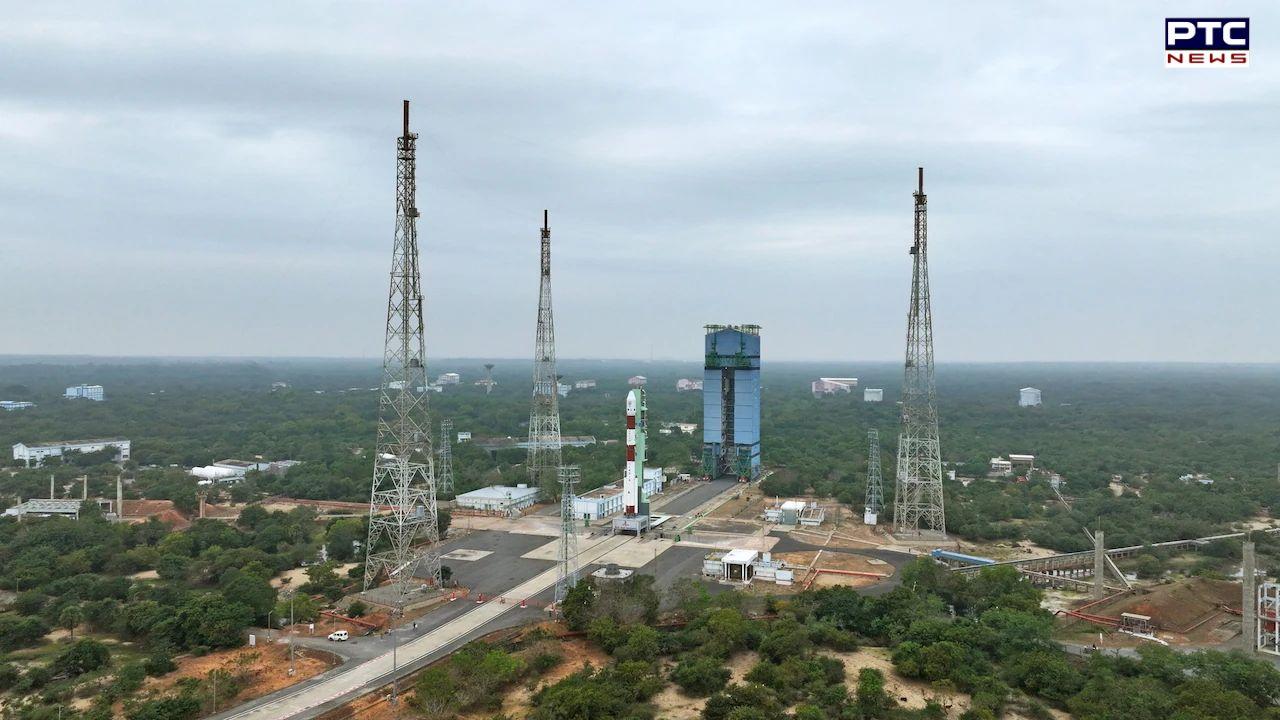
India now has more than 400 registered space startups, which have attracted investments of around $500 million. Nearly $150 million of this investment came in 2025 alone. Leading companies in the sector include Pixxel, Dhruva Space, Skyroot Aerospace, Agnikul Cosmos and Bellatrix Aerospace.
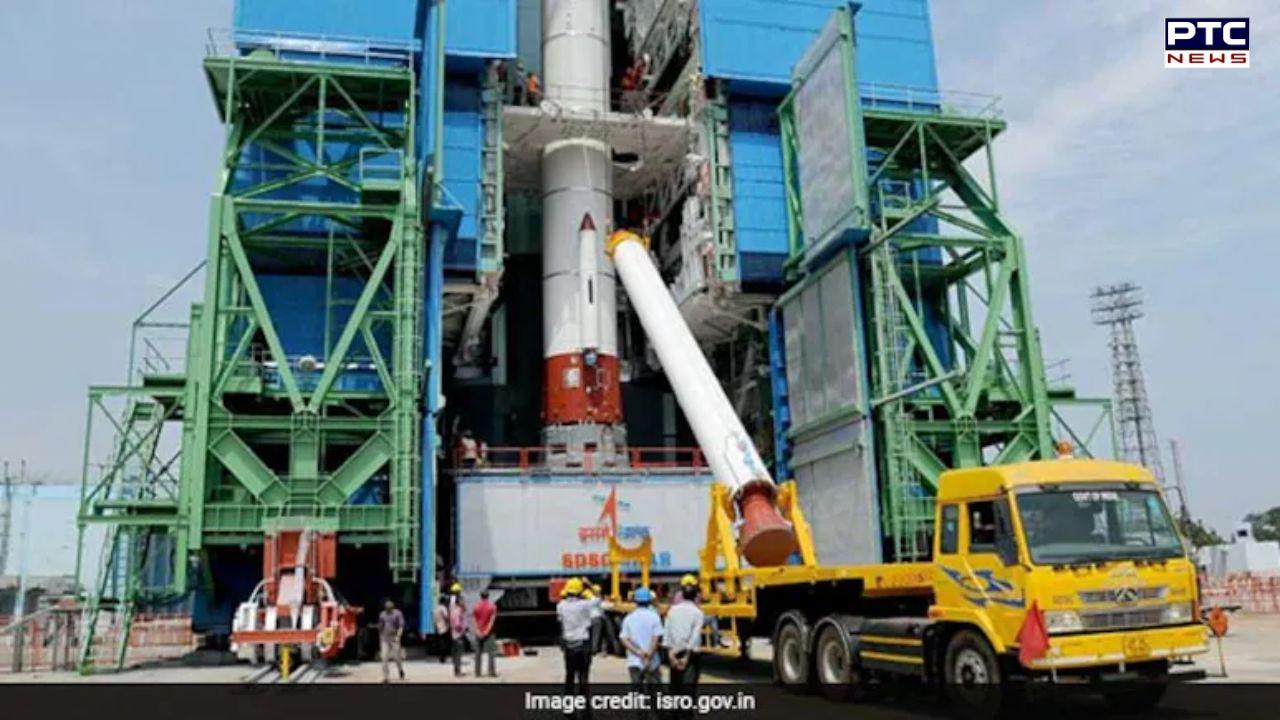
Apart from the resignations, ISRO has also faced setbacks in its recent missions. The Polar Satellite Launch Vehicle (PSLV), often called ISRO's "workhorse", has suffered two mission failures within the past year.
In January, the PSLV-C62 mission carrying the EOS-N1 Earth observation satellite and several commercial payloads went off its planned trajectory after a problem during the final phase of the third stage.
Despite these challenges, ISRO remains focused on several major upcoming missions. These include Gaganyaan, India's first human spaceflight mission; Chandrayaan-4, which aims to bring lunar samples back to Earth; the Bharatiya Antariksh Station (BAS), India's planned space station; and Mangalyaan-2, the country's next mission to Mars.
- With inputs from agencies