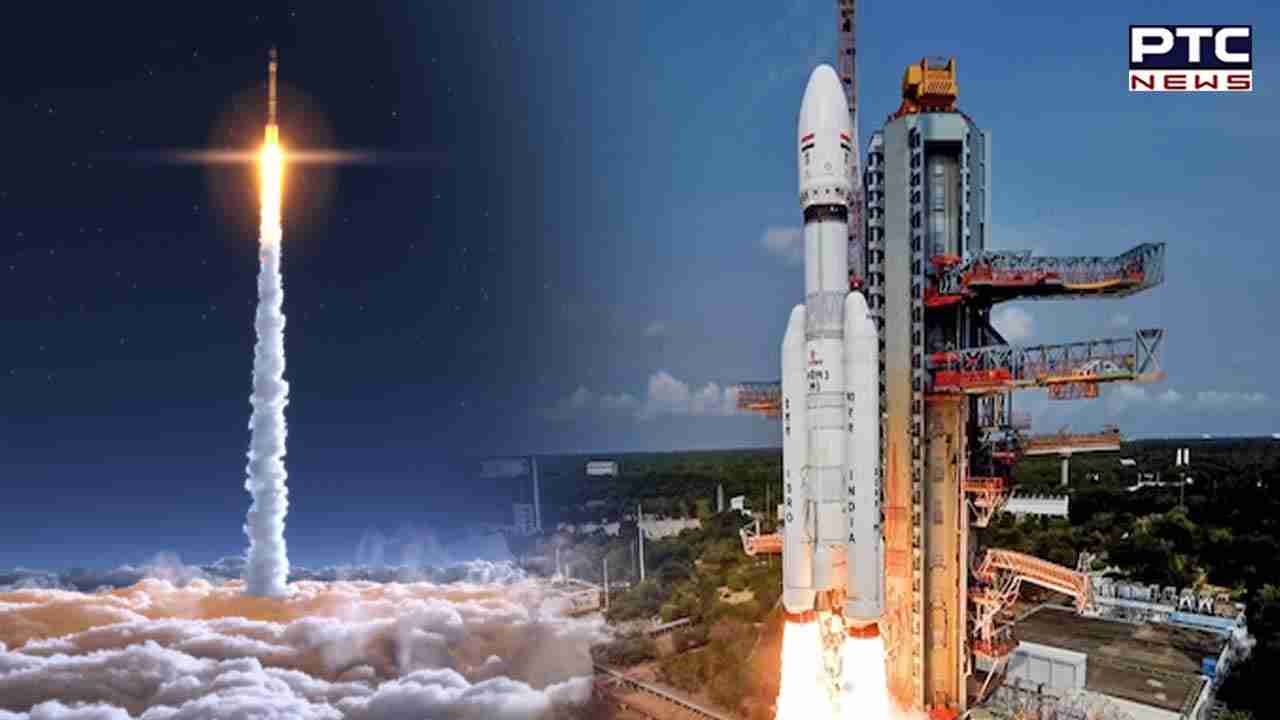
ISRO chairman announces Chandrayaan-3 launch dates; upgrades and innovations implemented





Thiruvananthapuram, June 13: The Indian Space Research Organisation (ISRO) Chairman, S Somanath, revealed that Chandrayaan-3, the third installment of ISRO's lunar mission, is scheduled to be launched between July 12 and 19, if all tests proceed according to plan.
Speaking at Kothavara St Xavier's College in Vaikam, Kottayam district, during a one-day workshop and space exhibition organized by ISRO, Somanath confirmed that Chandrayaan-3 has already reached the launch pad at Satish Dhawan Space Centre in Sriharikota, after being transported from U R Rao Satellite Centre.
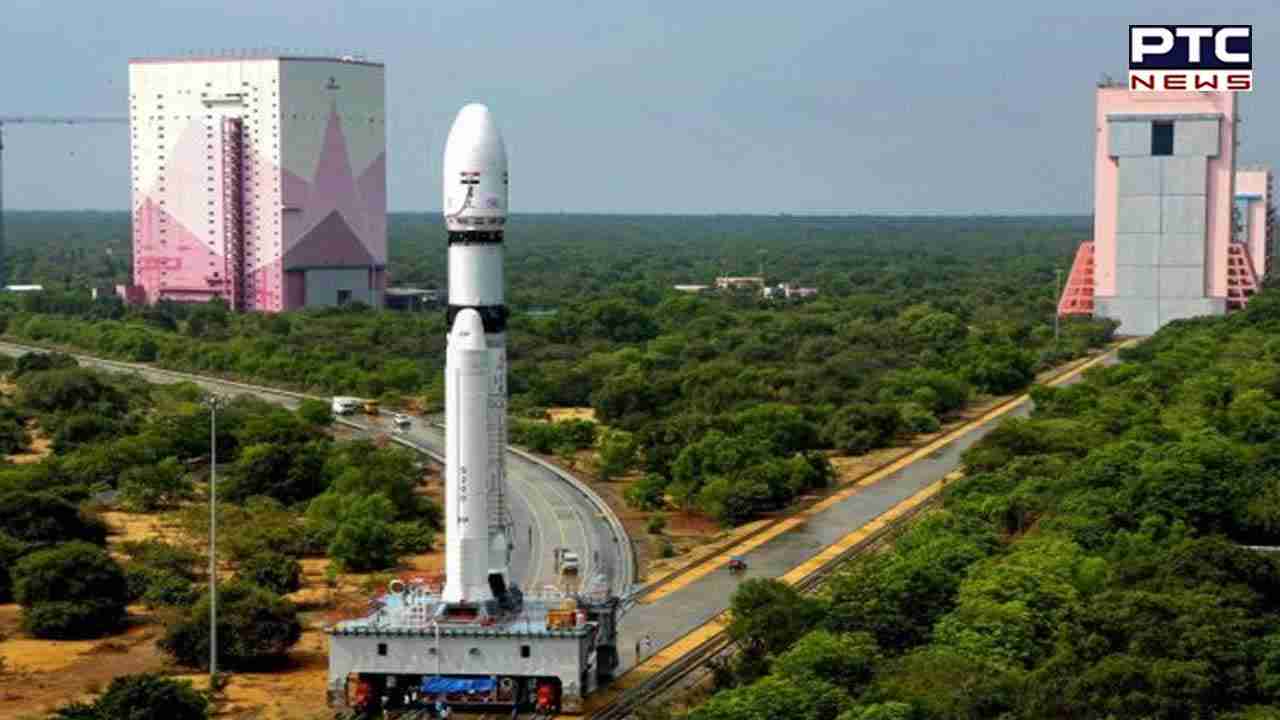
Somanath stated that final preparations are currently underway, with completion expected by the end of this month. The LVM-3 rocket will be utilized for the launch, and its assembly is currently in progress, with all the necessary components having reached Sriharikota. The anticipated launch window falls between July 12 and 19.
To ensure a smooth and successful launch, several modifications and enhancements have been made to Chandrayaan-3, including improvements to its hardware, structure, computers, software, and sensors. Additional fuel has been added, and the landing legs have been strengthened. Larger solar panels have been installed to generate more energy, and an extra sensor has been incorporated.
Also Read: Bengaluru woman kills mother, walks into police station with body in suitcase
A 'Laser Doppler VelociMeter' instrument, developed last year, has been added to measure the spacecraft's speed. Moreover, the algorithm has been revised, and new software has been introduced to enable Chandrayaan to land in an alternate area in case of any issues at the designated landing site, enhancing the mission's robustness.
Chandrayaan-3 serves as a follow-on mission to Chandrayaan-2, aiming to demonstrate end-to-end capabilities in safe landing and rover mobility on the lunar surface. ISRO has outlined three main objectives for Chandrayaan-3: to showcase a successful and gentle landing on the lunar surface, to demonstrate the rover's mobility on the moon, and to conduct in-situ scientific experiments.
According to ISRO, the propulsion module will transport the lander and rover configuration to a lunar orbit of 100km. The propulsion module will carry the Spectropolarimetry of Habitable Planet Earth (SHAPE) payload, which will study Earth's spectral and polarimetric characteristics from the lunar orbit.
The chosen launcher for Chandrayaan-3 is the GSLV-Mk3, which will position the integrated module into an Elliptic Parking Orbit (EPO) with dimensions of 170 x 36,500 km.
Also Read: Government denies Twitter founder's allegations of Indian pressure; IT Minister slams 'outright lie'
- With inputs from agencies