Middle East crisis: Government eases kerosene norms, permits sale through petrol pumps





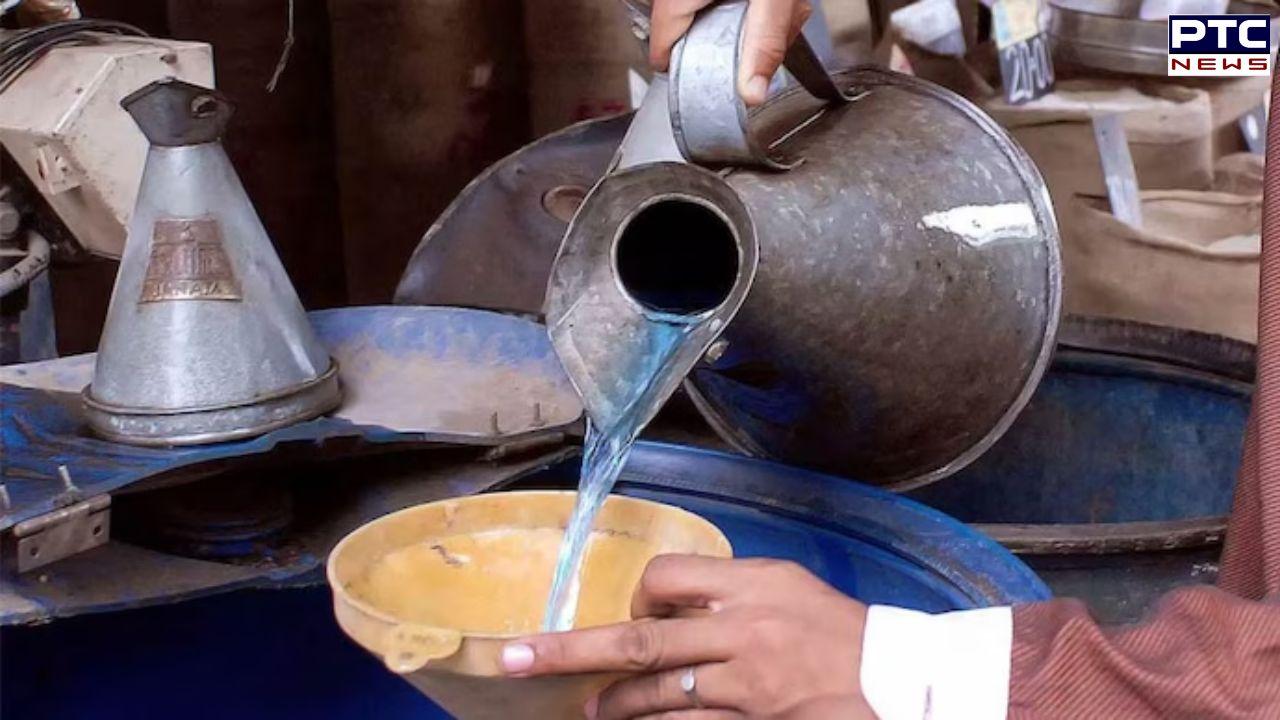
Middle East crisis: In view of the escalating tensions in the Middle East and subsequent global energy crisis, the centre has relaxed petroleum safety and licensing norms to enable wider distribution of kerosene, allowing its sale through select petrol pumps for a limited period.
According to a Gazette notification issued on March 29, the Ministry of Petroleum and Natural Gas said public sector oil companies will be allowed to supply kerosene through retail channels, including petrol pumps, for 60 days across 21 states and union territories.
The relaxation will remain valid for 60 days and comes into effect immediately.
Under the amended norms, designated petrol pumps will be permitted to store and dispense kerosene to households for cooking and lighting purposes. Each outlet can stock up to 5,000 litres, with up to two such service stations identified per district by state governments and Union Territory administrations.
The decision has been taken against the backdrop of global energy crisis impacting fuel availability. Oil marketing companies have also been permitted to stock kerosene at existing retail outlets to facilitate quicker distribution through the established fuel network.
Meanwhile, safety and operational guidelines issued by the Petroleum and Explosives Safety Organisation will be applicable to all the designated outlets.
Defence Minister Rajnath Singh on Saturday underscored the importance of medium- and long-term preparedness, along with quicker decision-making, to address the fallout of the evolving West Asia crisis while presiding over the inaugural meeting of the Informal Group of Ministers (IGoM) formed to monitor developments.
The meeting was attended by senior ministers such as Nirmala Sitharaman, Kiren Rijiju, Hardeep Singh Puri, Manohar Lal Khattar and J P Nadda. Presentations from seven Empowered Groups of Secretaries highlighted sector-specific challenges and the policy measures already in place.
The IGoM reviewed potential risks to energy supplies, the availability of essential goods, infrastructure resilience and supply chains, with Singh urging a proactive and well-coordinated response to the situation.
- With inputs from agencies