Mumbai air pollution: Financial capital chokes with dust, traffic fueled smog; air quality worsens than Delhi



PTC News Desk: Mumbai’s worsening air quality has raised concerns over urban pollution, with vehicle emissions, road dust, industrial activity and construction work contributing to the problem. Although authorities have announced new measures to control pollution, questions remain over monitoring, enforcement and the main sources of dirty air.
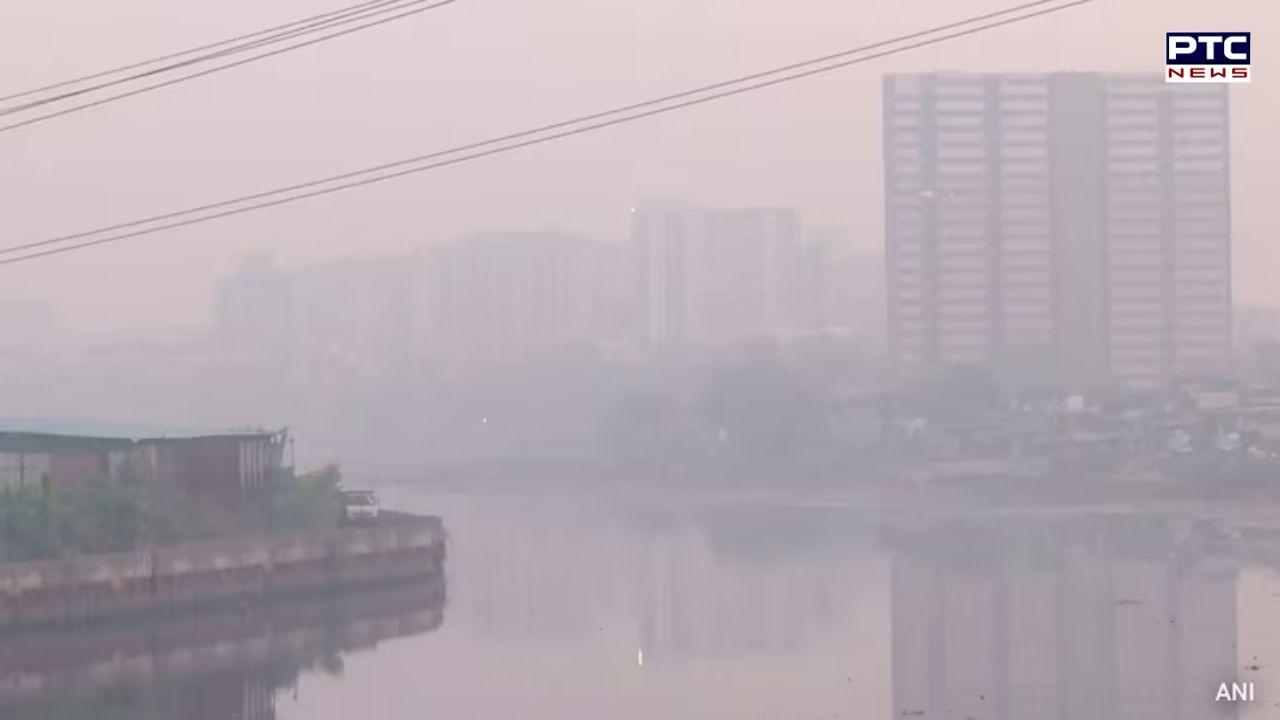
Mumbai’s coastal location has traditionally helped disperse pollutants. However, increasing haze across the city and sharp changes in air-quality readings across neighbourhoods suggest that pollution remains a serious challenge.
On October 24, Mumbai’s Air Quality Index (AQI) reportedly reached 322, placing it in the ‘very poor’ category, while Delhi recorded an AQI of 176, according to a report published the following day. However, readings from a single day cannot establish which city has worse air quality over a longer period.
Mumbai’s pollution problem is linked to a combination of emissions, weather conditions and gaps in pollution control. A 2024 study published in the journal Urban Climate identified transport, windblown road dust and industrial activity as major sources of PM10 emissions in the city. Based on activity data from 2020, the study estimated their contributions at 19.6%, 19.4% and 18.9%, respectively. These figures represent estimates of pollution sources rather than measurements taken on a particular day.
Mumbai’s coastal location does not always prevent pollutants from building up. When winds are weak, pollution may remain trapped near the ground. Humidity and airborne salt particles from seawater can also contribute to haze.
The Brihanmumbai Municipal Corporation (BMC) has identified sodium chloride, commonly known as salt, from seawater as one factor contributing to atmospheric haze. However, sea salt is not the only cause of poor air quality. Vehicle exhaust, industrial emissions and particulate matter remain major concerns.
Pollution can also travel into Mumbai from areas outside the city. Smoke from open garbage burning and agricultural fires may contribute to pollution when winds carry it towards the region. However, their impact varies depending on weather conditions and location, and they cannot be considered the main cause of every rise in pollution.
Questions over air-quality monitoring
Accurate monitoring is another challenge for Mumbai’s pollution-control efforts.
Recent reports have pointed to significant differences between readings from nearby monitoring locations, including an unusually low reading from a sensor installed at a construction site. Such differences have raised questions about sensor reliability, regular monitoring and the need to independently verify unusual readings.
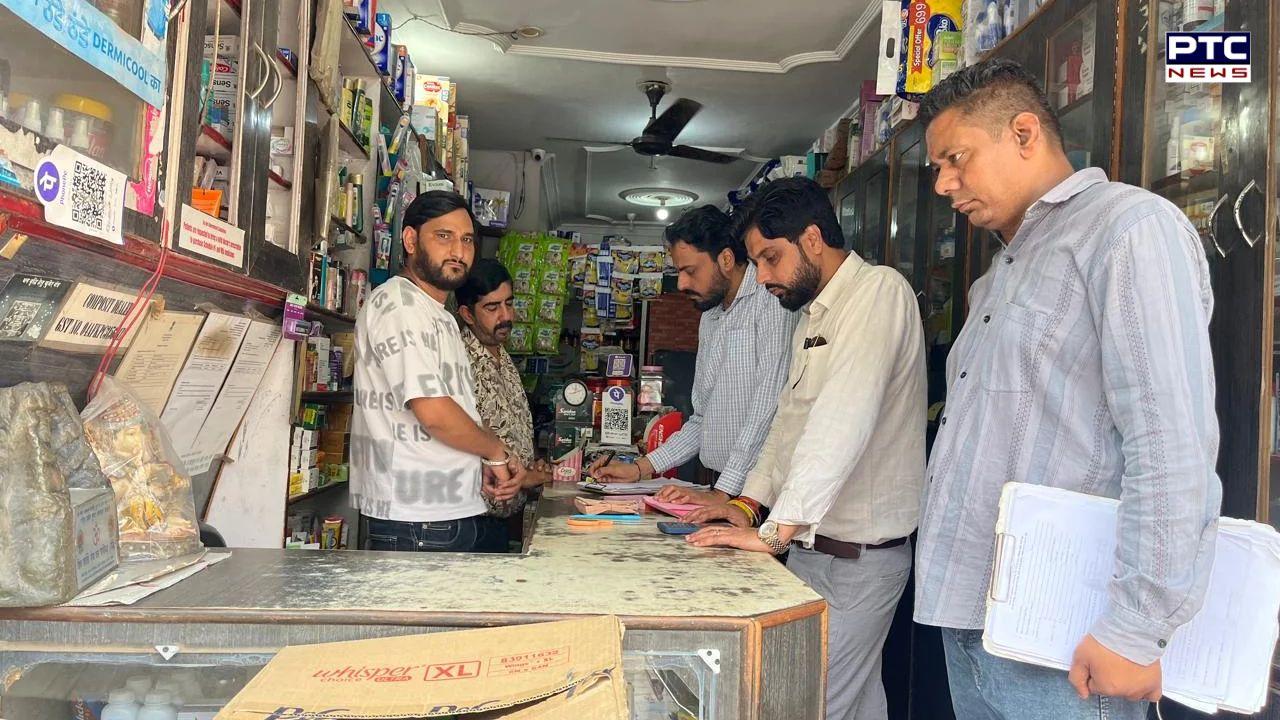
The BMC has introduced 28-point pollution-control guidelines for construction sites and deployed 76 ward-level teams. Each team is required to inspect at least two construction sites daily.
The civic body has also discussed using artificial intelligence to identify construction-site sensors that repeatedly stop working. However, the effectiveness of these measures will depend on proper monitoring and consistent action against those who violate pollution-control rules.
Can new measures make difference ?
Maharashtra’s clean-air action programme for the Mumbai Metropolitan Region focuses on several sources of pollution, including road dust, construction debris, industrial emissions and vehicle exhaust.
Authorities have also emphasised action against vehicles transporting construction materials or debris in violation of regulations.
While these measures aim to address multiple sources of pollution, their success will depend on how consistently they are implemented. Better monitoring, reliable air-quality data and strict enforcement will be important in determining whether Mumbai can achieve a sustained improvement in air quality.
- PTC NEWS