Supreme Court critiques own order over no bail to Umar Khalid in Delhi riots case





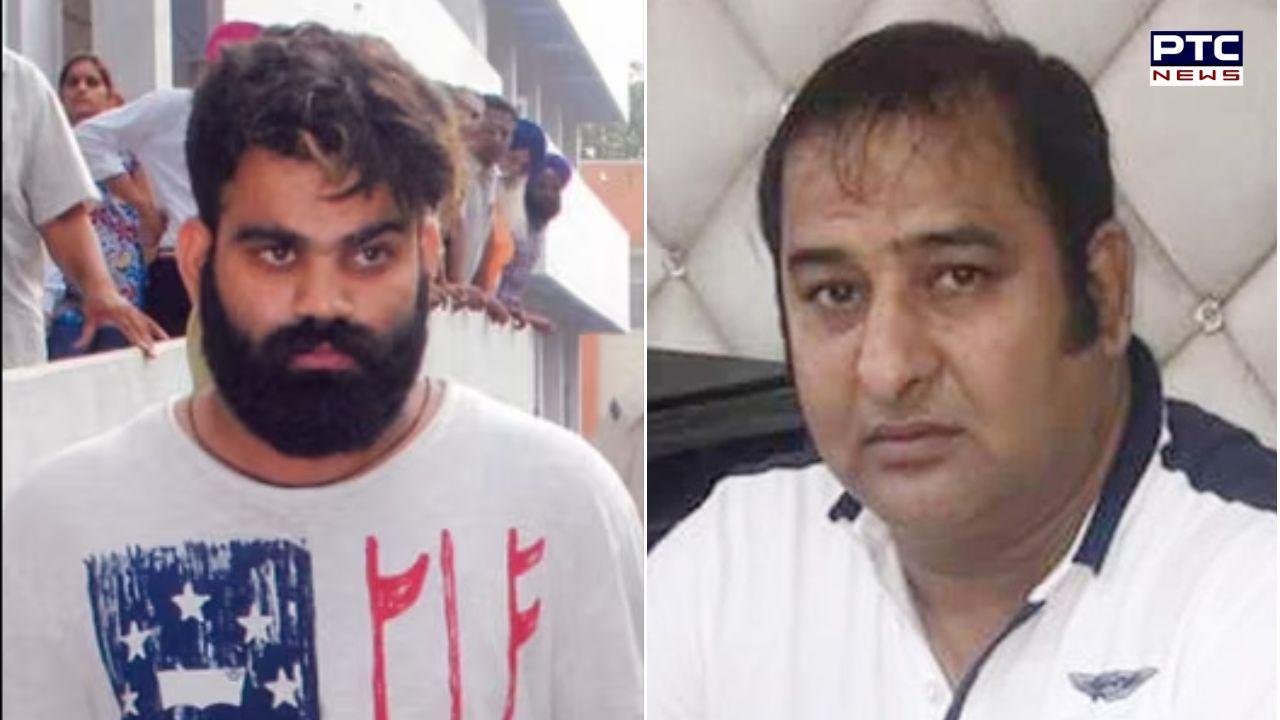
PTC News Desk: The Supreme Court on Monday expresses critique over its own earlier judgment denying bail to JNU student Umar Khalid in the Delhi riots case observing that the ruling failed to appropriately comply with the principles laid down on prolonged incarceration under the Unlawful Activities (Prevention) Act (UAPA).
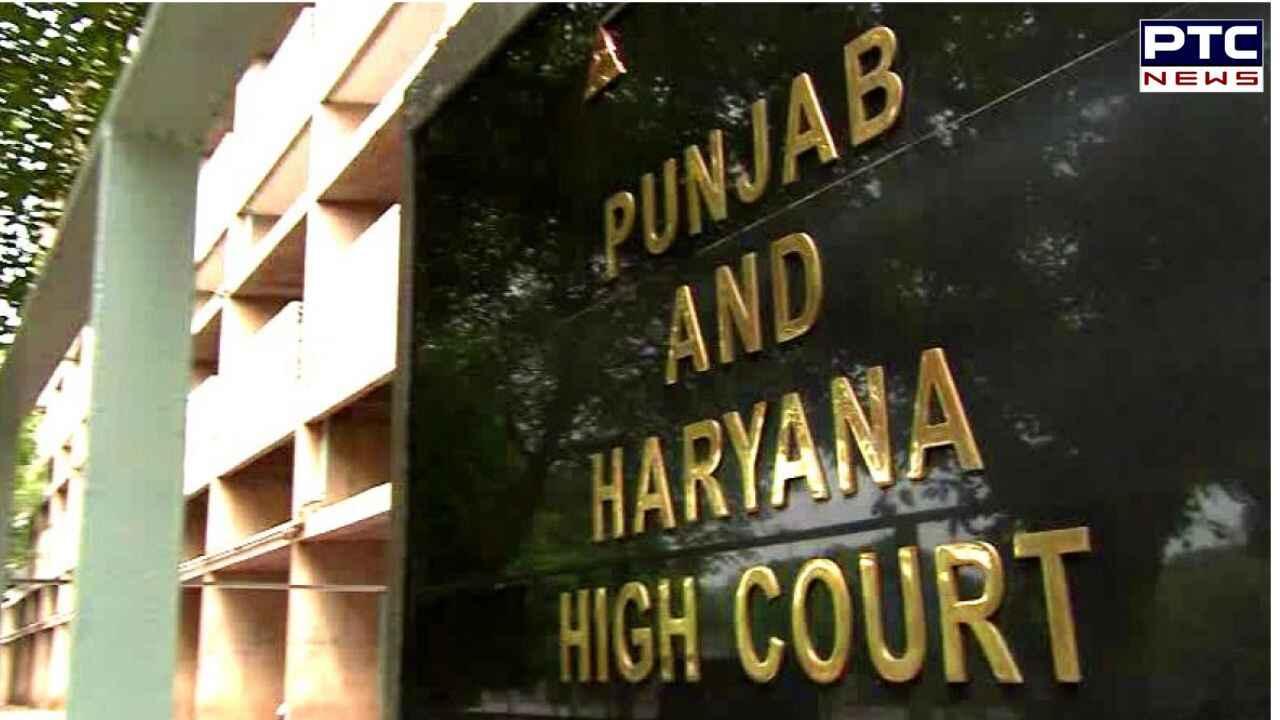
A bench of Justices BV Nagarathna and Ujjal Bhuyan said an earlier judgment rejecting bail to Khalid and Imam appeared to dilute the binding precedent laid down by a larger bench in the landmark Union of India vs KA Najeeb case.
"A judgment rendered by a bench of lesser strength is bound by the law declared by the bench of greater strength. Judicial discipline mandates that such a binding precedent must either be followed or, in case of doubt, be referred to a larger bench. A smaller bench cannot dilute, circumvent or disregard the ratio of a larger bench," Justice Bhuyan stated in the judgment.
The observations came while the court granted bail to Syed Iftikhar Andrabi, a Jammu and Kashmir resident jailed since June 2020 in a narco-terror case investigated by the National Investigation Agency, or NIA.
A bench of the Supreme Court of India comprising Justice B. V. Nagarathna and Justice Ujjal Bhuyan made these observations while granting bail to Syed Iftikhar Andrabi, who had remained in custody for more than six years in a case under the Unlawful Activities (Prevention) Act (UAPA). The case alleged that he financed terrorism through narcotics supply, according to Live Law.
In its judgment, the bench referred to a January 2026 ruling in which a two-judge bench had denied bail to Sharjeel Imam and Umar Khalid in the Delhi riots conspiracy case. Khalid’s review petition was later dismissed by the Supreme Court in April.
Justice Bhuyan observed that the court found it “difficult to accept” the approach adopted in Umar Khalid’s case as well as another UAPA matter involving Gurwinder Singh. The bench noted that both rulings interpreted the stringent bail provisions of the UAPA differently from a 2021 judgment delivered by a three-judge bench in the Union of India vs K A Najeeb case.
The bench stressed that the 2021 KA Najeeb ruling had clearly recognised prolonged delays in trial proceedings and extended pre-trial detention as valid grounds for granting bail, even in cases involving UAPA charges and its strict bail conditions.
The court also disagreed with the “two-prong test” applied in the Gurwinder Singh case, under which bail could only be granted if the accused was able to show at the preliminary stage that the prosecution’s case lacked merit.
- With inputs from agencies