Transform state mandis into models of excellence with farmer service as top priority - CM Nayab Singh Saini





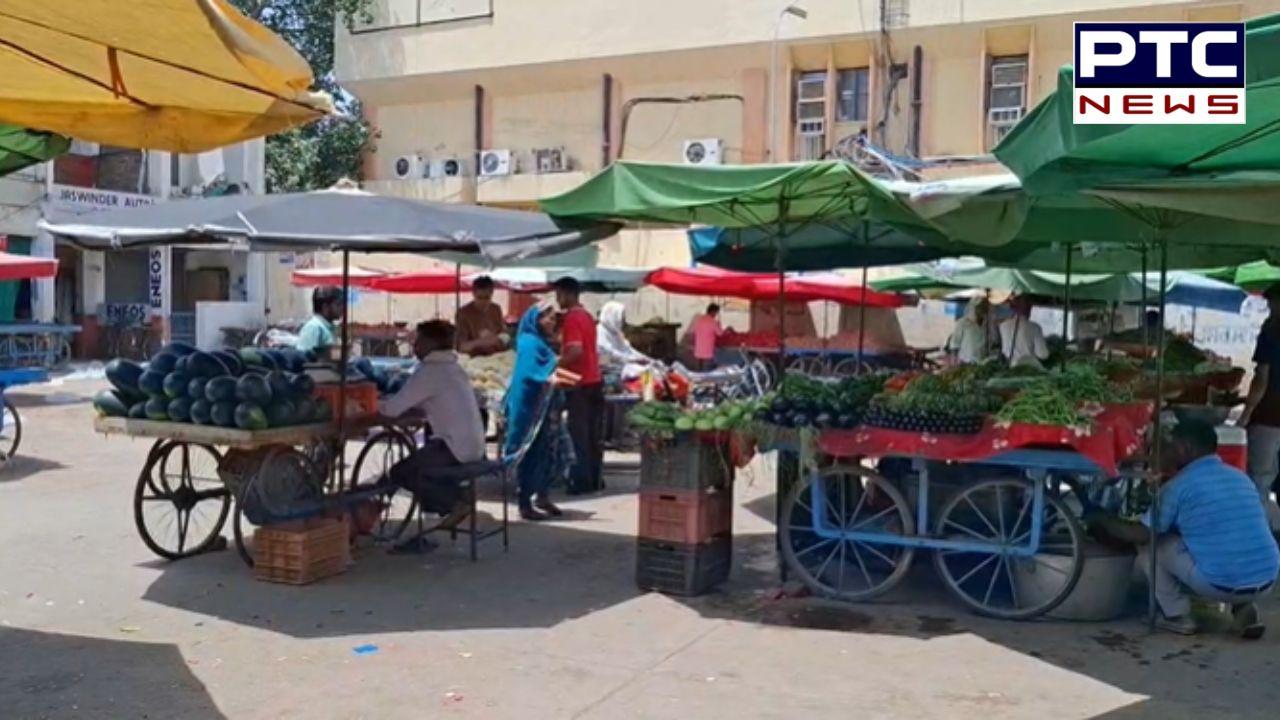
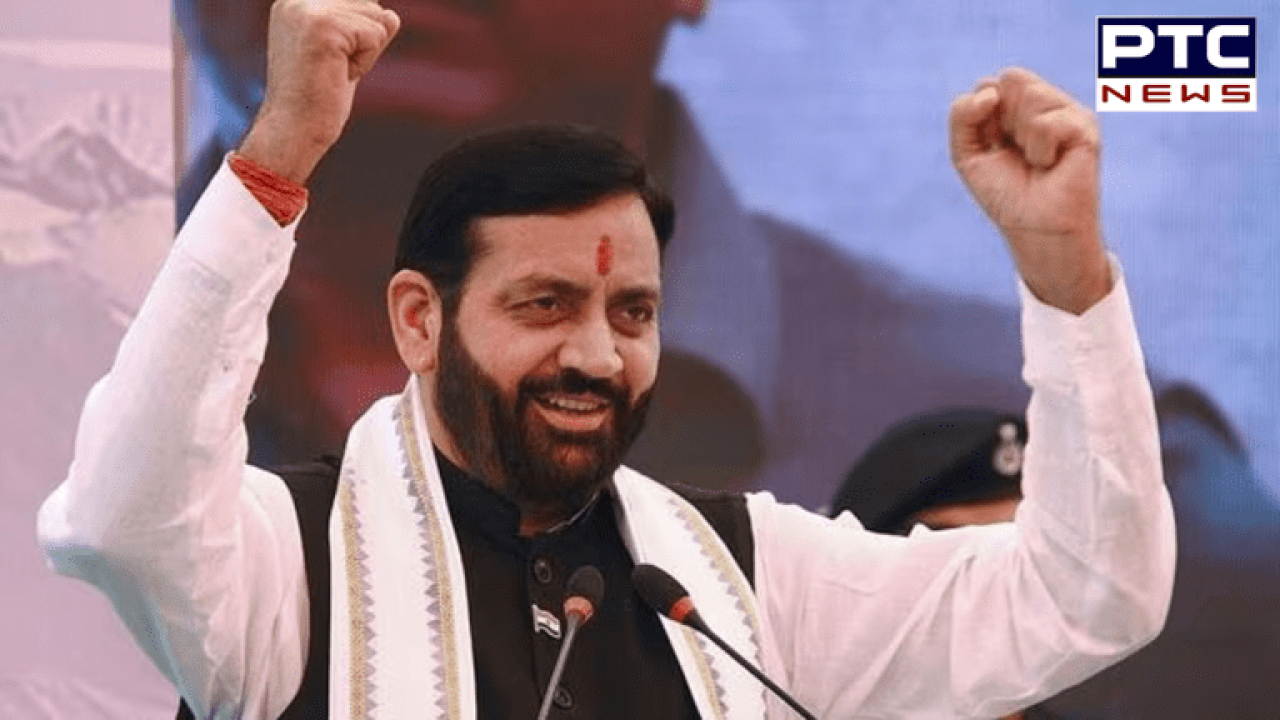
PTC News Desk: Haryana Chief Minister Nayab Singh Saini said that the state’s mandis must be transformed into models of excellence by placing farmer service at the highest priority, so that they can be emulated across the country. He emphasised the need for complete honesty and transparency in the collection of market fees and for strengthening trust among farmers. The objective, he said, is to develop Haryana’s mandis into the most modern, transparent and farmer-friendly market system in India.
The Chief Minister was presiding over a meeting with the newly appointed office-bearers of the Marketing Board here today. The meeting was attended by the chairmen and vice-chairmen of market committees, State President Mohan Lal Badoli, General Secretary (Organisation) Phanindra Nath Sharma, State General Secretary Surender Punia, Dr. Archana Gupta, Chief Minister’s OSD B.B. Bharti and several senior officials.
The Chief Minister said that the foundation of the Marketing Board’s functioning lies in ensuring the prosperity of farmers and strengthening the state’s economy. He said that the mandi system is the most effective mechanism for ensuring fair prices and safeguarding farmers’ hard-earned income. When farmers are empowered, he added, Haryana becomes stronger.
He further remarked that market committees are not merely government offices, but vital power centers of the rural economy. Therefore, their efficient management is of utmost importance. At the same time, it is essential to strengthen trust and reliability between farmers and traders. He said that the aim is to create a system in the mandis where farmers receive accurate measurements, fair prices, and timely payments as soon as they bring their produce, and traders get quality products and a better environment for doing business.
Nayab Singh Saini appreciated the commendable progress made by market committees in adopting digital reforms over the past few years. He noted the successful implementation of e-procurement and Direct Benefit Transfer (DBT), which ensures that payments for farmers’ crops are credited directly to their bank accounts on time. By eliminating the role of middlemen, farmers are now receiving the full value of their hard work.
The Chief Minister emphasised that every process—from issuing gate passes to the collection of market fees—must be made fully digital to enhance transparency and eliminate corruption. Greater use of technology, he said, is essential for strengthening the system.
He informed that all 24 crops are being procured from farmers at the Minimum Support Price (MSP). So far, Rs 1.64 lakh crore has been deposited into the accounts of nearly 12 lakh farmers for crop procurement. From the Kharif season of 2024, farmers have been receiving payment within 48 hours of the issuance of the gate pass through DBT. He also said that work is being accelerated to improve basic facilities such as sheds, drinking water, toilets, and rest houses in mandis across the state.
The Chief Minister stated that providing cold storage facilities near farm gates for fruit and vegetable growers is a top priority of the government. He directed market committee officials to prioritise proposals for establishing cold storage units under the PPP model in their respective areas. He also stressed the need to improve road connectivity and carry out timely repairs of roads leading to mandis so that farmers can bring their produce without difficulty.
He said that the working style and conduct of market committee employees reflect the true image of the mandi system. Therefore, employees must remain sensitive to farmers’ needs. Proper training should be provided on the latest government policies, use of e-portals, and courteous communication with farmers.
The Chief Minister proposed launching a new initiative titled “Harit Mandi, Khushaal Farmer.” Under this initiative, separate and strengthened sections for fruits and vegetables should be developed alongside traditional crop markets. He also called for the establishment of farmer assistance centers in every mandi, where grievances are registered immediately and resolved promptly, ensuring that farmers do not have to make repeated visits to offices.
He further directed market committees to adopt solar energy to meet their electricity requirements, which would reduce power costs and contribute to environmental conservation. He also emphasised promoting green energy and making rainwater harvesting structures mandatory in mandis to prevent water wastage.
The Chief Minister said that farmers practicing natural farming should be given special space and priority in mandis to sell their produce, as this form of farming represents the future and should be actively encouraged. He also stressed the need to ensure safe and dedicated spaces for women farmers and women traders, and to promote greater participation of women in the economic system.
He said that maintaining cleanliness in the mandis is a collective responsibility. Regular cleanliness drives should be conducted, and strict action must be taken against those who litter. A clean market is beneficial for both business and public health, he added.
- PTC NEWS