Oil prices surge as Middle East tensions threaten global supply routes





PTC Web Desk: Global oil markets jumped sharply on Monday following US and Israeli strikes on Iran and Tehran’s retaliatory attacks across the region, intensifying fears of supply disruptions in one of the world’s most critical energy corridors.
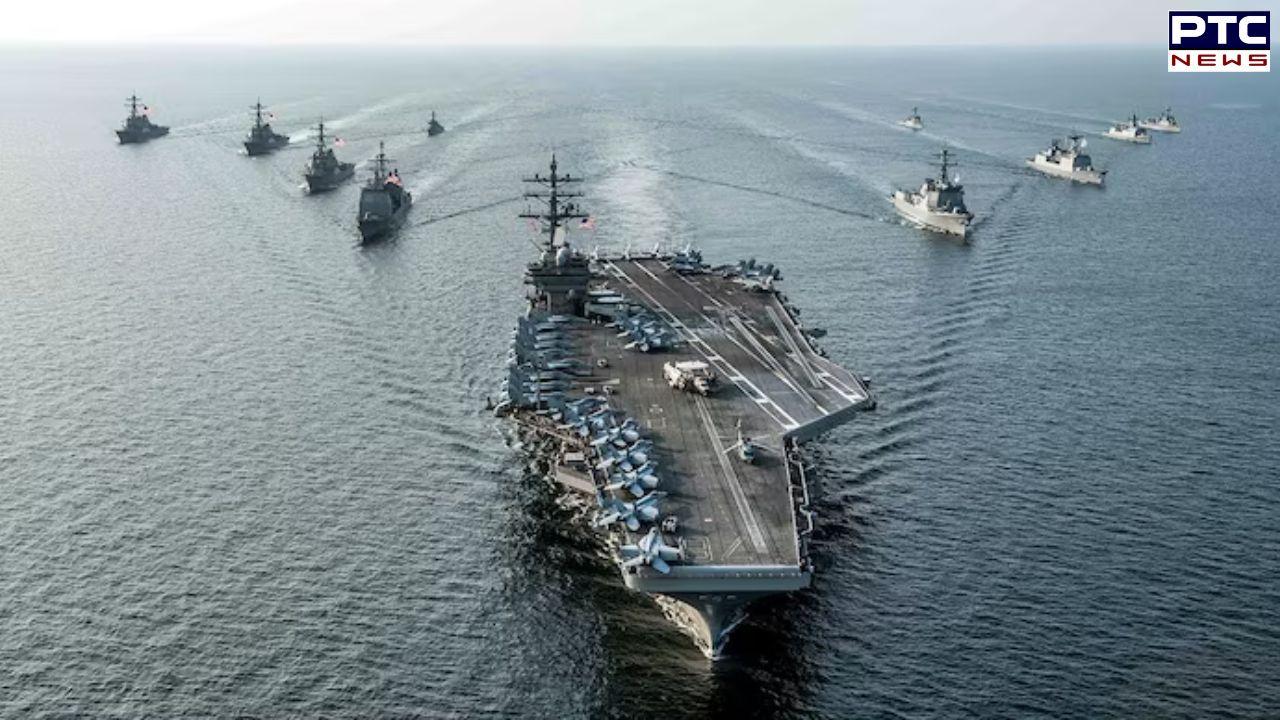
Traders reacted swiftly to the escalating conflict, betting that crude shipments from Iran and other key Middle Eastern producers could slow significantly or even face temporary shutdowns if hostilities persist. The situation has been compounded by reported attacks on vessels moving through the Strait of Hormuz, the narrow gateway linking the Persian Gulf to global markets.
Energy analysts warn that any prolonged instability in the region could drive crude and fuel prices higher in the coming weeks.
In early trading on Monday, US benchmark West Texas Intermediate (WTI) crude climbed to around $72 per barrel, marking a gain of more than 7 per cent compared to Friday’s close near $67, according to market data. Meanwhile, Brent crude, the international benchmark, rose to approximately $78.55 per barrel, up nearly 8 per cent from its previous trading level of $72.87, which had already been a seven-month high.
The ripple effects of rising crude prices could soon be felt by consumers. Higher energy costs typically translate into more expensive gasoline, increased transportation expenses and, eventually, higher prices for food and other goods — adding to inflationary pressures already weighing on households worldwide.
At the centre of market concerns is the Strait of Hormuz, through which roughly 15 million barrels of crude oil pass each day, accounting for about one-fifth of global oil supply. The waterway, bordered by Iran to the north, serves as a vital export route for Saudi Arabia, Kuwait, Iraq, Qatar, Bahrain, the United Arab Emirates and Iran itself.
Iran briefly restricted parts of the strait in mid-February during military exercises, an action that pushed oil prices up by about 6 per cent in the days that followed. Renewed tensions have revived fears of similar or more severe disruptions.
In a parallel development, eight members of the OPEC alliance announced plans on Sunday to increase crude output beginning in April. The Organisation of the Petroleum Exporting Countries said production would rise by 206,000 barrels per day — a larger increase than analysts had anticipated. Countries contributing to the output boost include Saudi Arabia, Russia, Iraq, the UAE, Kuwait, Kazakhstan, Algeria and Oman.
However, energy experts caution that additional production may offer limited relief if shipping routes are compromised. Market stability, they say, depends more on the safe movement of oil cargoes than on headline production targets.
Iran currently exports around 1.6 million barrels of oil per day, with China among its primary buyers. Any disruption to Iranian exports could force major importers to seek alternative suppliers, potentially tightening global markets further and sustaining upward pressure on prices.
- With inputs from agencies