Seven Sisters remark: Dhaka’s top envoy summoned after anti‑India statements





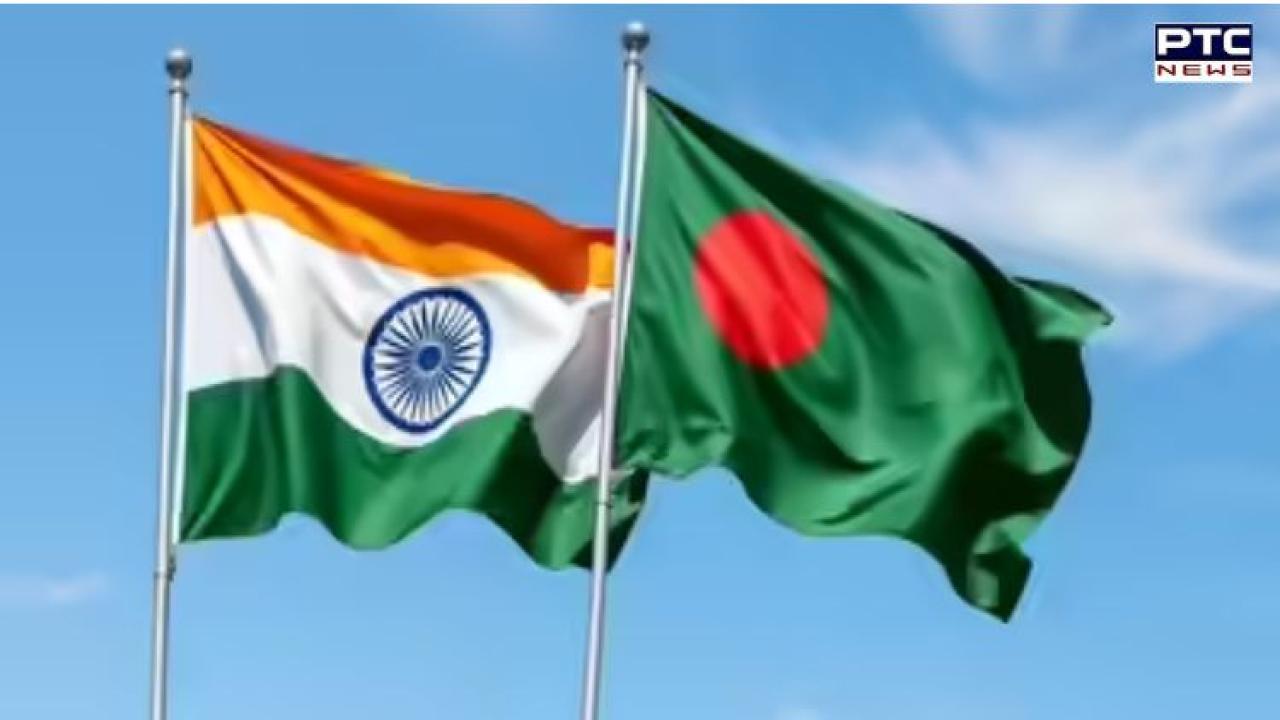
PTC Web Desk: Bangladesh’s Foreign Ministry called in the country’s senior diplomat following inflammatory remarks perceived as a threat against India’s diplomatic mission, deepening bilateral strains just a day after India commemorated Vijay Diwas, the 54th anniversary of the 1971 Liberation War that led to Bangladesh’s birth.
The summons underscored growing unease between New Delhi and Dhaka, even as officials from both sides reiterated that the two nations benefit from a longstanding partnership.
The development comes amid intensifying anti‑India rhetoric in Bangladesh, where national elections loom large and political fault‑lines are being sharpened. Ties between the neighbouring countries have faced pressure since the fall of the Sheikh Hasina‑led Awami League government last year.
At a public gathering on Monday, National Citizen Party leader Hasnat Abdullah, known for his vocal opposition to New Delhi, made provocative statements suggesting that India risks fostering insurgent groups and could face consequences involving the “Seven Sisters”, a term often used for India’s northeastern states. Abdullah warned that if Bangladesh’s stability were threatened, his supporters would extend shelter to separatist elements from the region.
Although he did not explicitly name India, his rhetoric appeared targeted at New Delhi’s role in regional politics. “Attempts to control our nation persist even after more than five decades of independence,” the student leader claimed, evoking anti‑foreign influence sentiments.
The rally followed an attempted assassination last week on Sharif Osman Hadi, a radical leader affiliated with Inqilab Mancha and a fierce critic of Hasina. Inqilab Mancha has controversially hinted at links between the attack, Indian actors, and figures connected to the former government.
Bangladesh’s government responded by summoning India’s High Commissioner in Dhaka, pressing for cooperation in the investigation and seeking the “swift extradition” of Hasina, who was recently sentenced to death in connection with last year’s unrest that claimed over 500 lives.
New Delhi, however, has firmly denied any involvement of Indian authorities in the attack or in supporting destabilising elements.
Tensions were further aggravated earlier this month when a retired Bangladeshi army general stirred controversy by asserting that Bangladesh would not achieve “true peace” unless India became fragmented. Brigadier General (retd) Abdullahil Amaan Azmi, son of former Jamaat‑e‑Islami leader Ghulam Azam, also accused India of perpetuating unrest within Bangladesh.
Under interim leadership of Muhammad Yunus, Bangladesh has shown signs of warming ties with Pakistan, even as some political leaders openly accuse India of meddling in internal affairs. At the same time, analysts note a rise in influence among radical Islamist groups and increased political space for parties such as Jamaat‑e‑Islami.
- With inputs from agencies