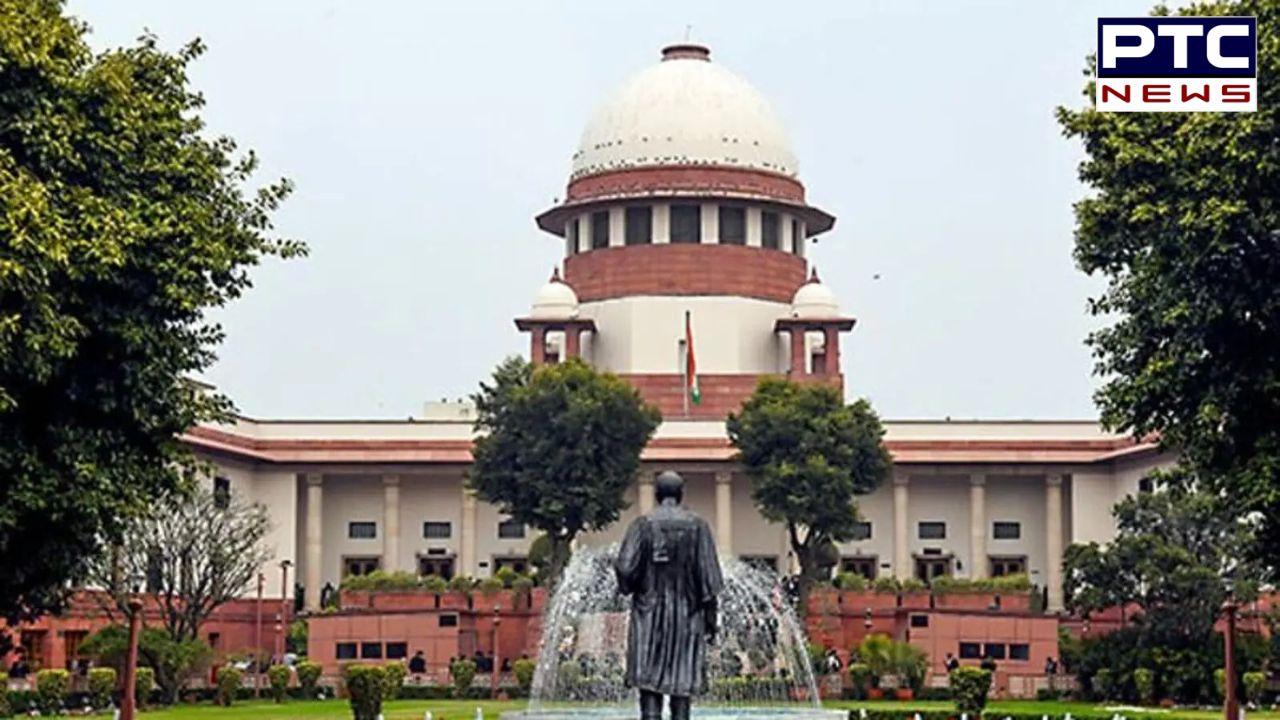
Supreme Court refuses to stop September 5 Delhi protest march by CJP, leaves security decision to govts





PTC Web Desk: The Supreme Court on Monday refused to interfere with the proposed September 5 protest march in Delhi by the Cockroach Janta Party (CJP). The court said the Centre and Delhi government would have to take the necessary decision on law and order arrangements.
A bench headed by Chief Justice of India Surya Kant, along with Justices Joymalya Bagchi and V Mohana, said there was currently no reason to assume that the proposed protest would turn violent.
The apex court said all sides were expected to remain peaceful and follow the law. It also made it clear that the authorities concerned would decide whether the march could take place and, if so, under what conditions.
Also Read | Supreme Court on ethanol percentage blended in petrol at pumps
The observations came while hearing petitions filed by Shiv Upadhyay and retired Delhi Police official Rajendra Singh. The petitioners had sought restrictions on large gatherings and organised protests in sensitive areas of Lutyens' Delhi, including India Gate and Central Vista.
They had also requested that the September 5 march be postponed or modified until after the BRICS Summit, which is scheduled to take place in Delhi on September 12 and 13.
Appearing for Rajendra Singh, advocate Rizwan Ahmad argued that the organisers had announced another march despite allegedly not having police permission.
He told the court that allowing such gatherings without the required permission could create law and order problems. He also argued that any disturbance in Delhi shortly before an international summit could draw attention from the global media.
The Supreme Court, however, declined to step into the law and order issue at this stage. The bench said such decisions were the responsibility of the relevant government authorities rather than the court.
The judges said the authorities must determine what is legally permissible and ensure that any action taken remains lawful and reasonable.
Ahmad also sought permission to approach the Supreme Court again on September 3 or 4 if the organisers had still not obtained permission for the march.
The bench said the petitioners could approach it if an alarming or serious situation developed, provided the matter raised an issue falling within the court's judicial jurisdiction.
The court also declined a request to call representatives of the CJP before it, saying there was no clearly identified or organised group before the court that could be summoned.
Instead, the bench directed that copies of the petitions be served on the Centre and Delhi government.
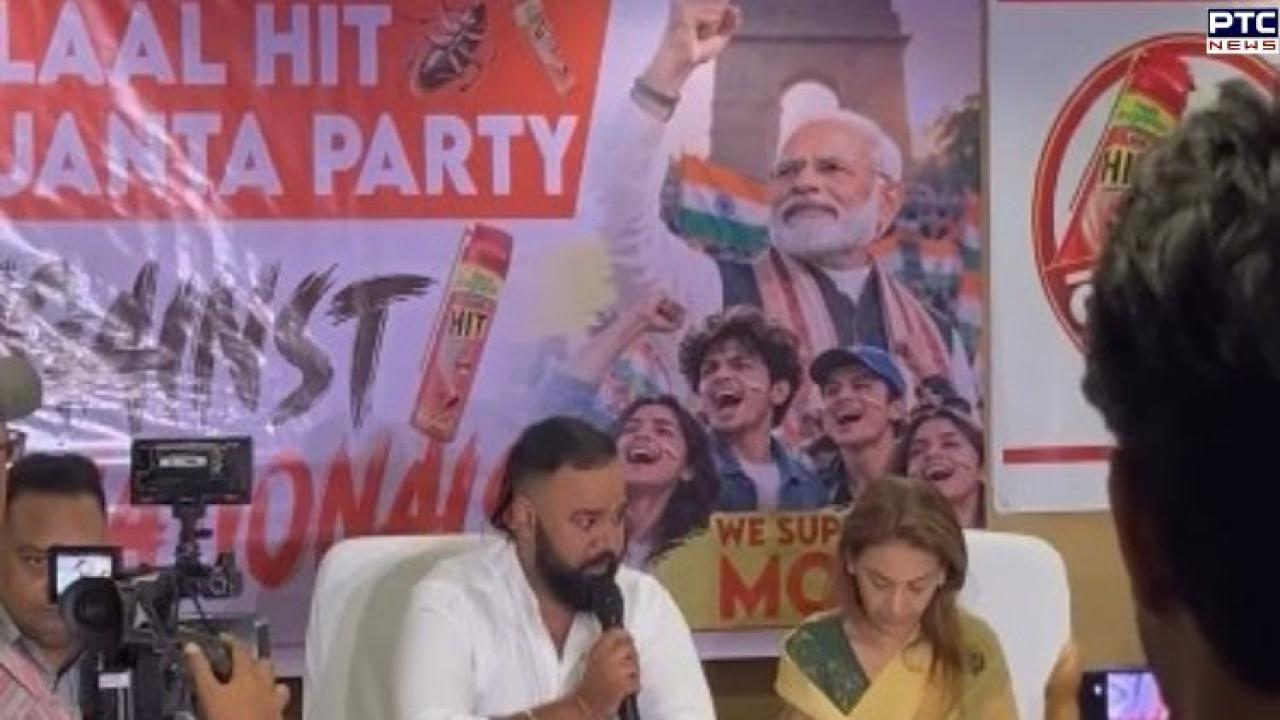
The CJP announced the September 5 demonstration on August 24, describing it as a peaceful three-km march from India Gate to the Delhi Police headquarters.
The protest is being backed by families of students who allegedly died by suicide after the cancellation and subsequent re-test of the National Eligibility cum Entrance Test (NEET). It also includes people who have alleged police excesses during the July 20 protest.
The organisers say the latest march is aimed at highlighting what they claim was the Centre's failure to fulfil assurances made on July 25. Those assurances had reportedly led to the withdrawal of a 36-day protest at Jantar Mantar.
The All India Students' Association (AISA) has also extended support to the march. Among its demands are withdrawal of FIRs against student protesters and an inquiry into allegations that pellet guns and bullets were used during the earlier agitation.
The September 5 protest comes while a five-member High-Powered Enquiry Committee (HPEC), headed by former Supreme Court judge Justice R Subhash Reddy, is examining allegations linked to the July 20 protest.
The Supreme Court formed the committee on August 18 after observing that allegations of excessive use of force appeared to require an independent inquiry.
The panel has been asked to examine allegations of police excesses as well as claims of violence by protesters, injuries to police personnel and damage to public property.
- With inputs from agencies