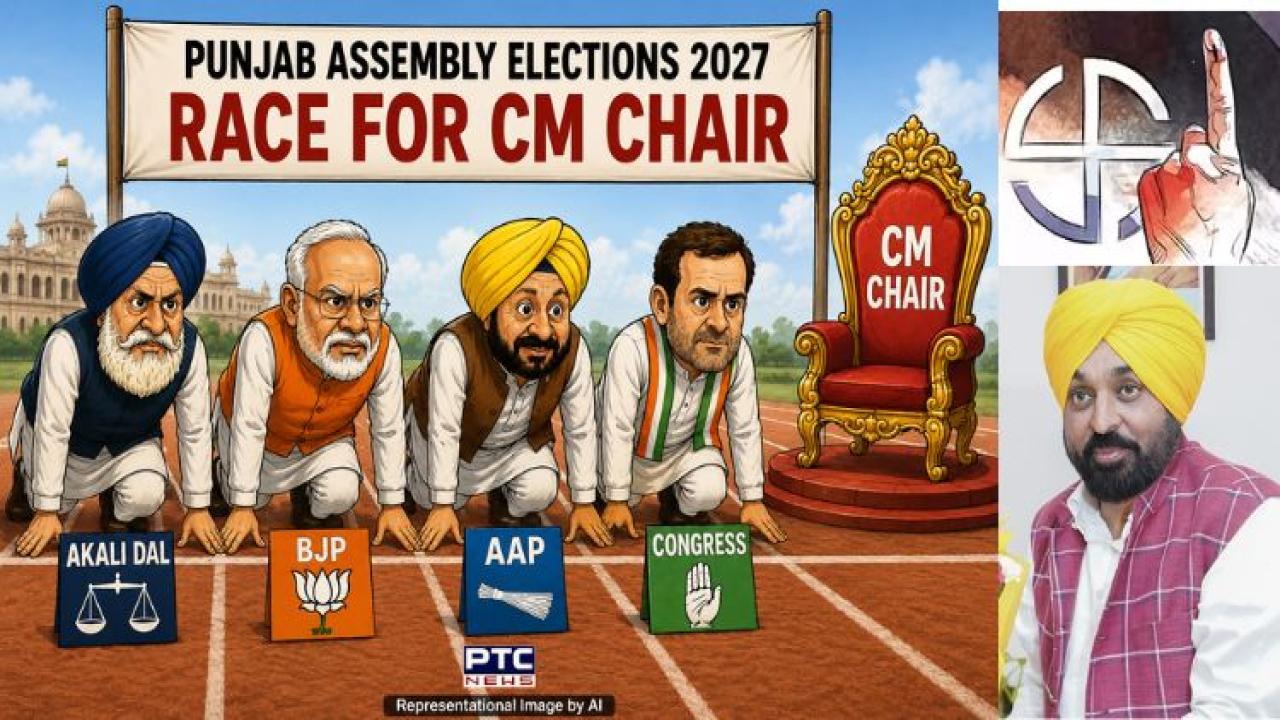
Punjab Assembly elections 2027: From Kejriwal to Bhagwant Mann: How AAP’s Punjab campaign has changed since 2022 polls





Punjab Assembly elections 2027: As Punjab heads towards the 2027 Assembly elections, the Aam Aadmi Party (AAP) has made one thing abundantly clear: it intends to fight the next electoral battle with Chief Minister Bhagwant Mann as its undisputed face.
The strategy marks a significant departure from the party's 2022 campaign, which revolved largely around Arvind Kejriwal and the promise of bringing the much-publicised "Delhi model" to Punjab. At the time, Bhagwant Mann was projected as the chief ministerial candidate, but it was Kejriwal's image and political appeal that dominated the campaign narrative.
Today, however, AAP finds itself in a very different position.
After more than four years in power, the party can no longer rely on promises and political slogans. It must now answer difficult questions about governance, delivery and accountability. By projecting Mann as the sole face of the government and the 2027 campaign, AAP is effectively asking voters to judge its entire record through one individual.
That is where the risks begin.
The new slogan, "Punjab da eko naara, Bhagwant Mann dobara", may be aimed at showcasing confidence, but it also exposes the party's growing dependence on a single leader. Instead of highlighting a broader team, institutional achievements or a long-term vision for Punjab, AAP appears to be turning the election into a referendum on Mann himself.
This comes at a time when the Chief Minister is facing one of the most challenging phases of his political career.
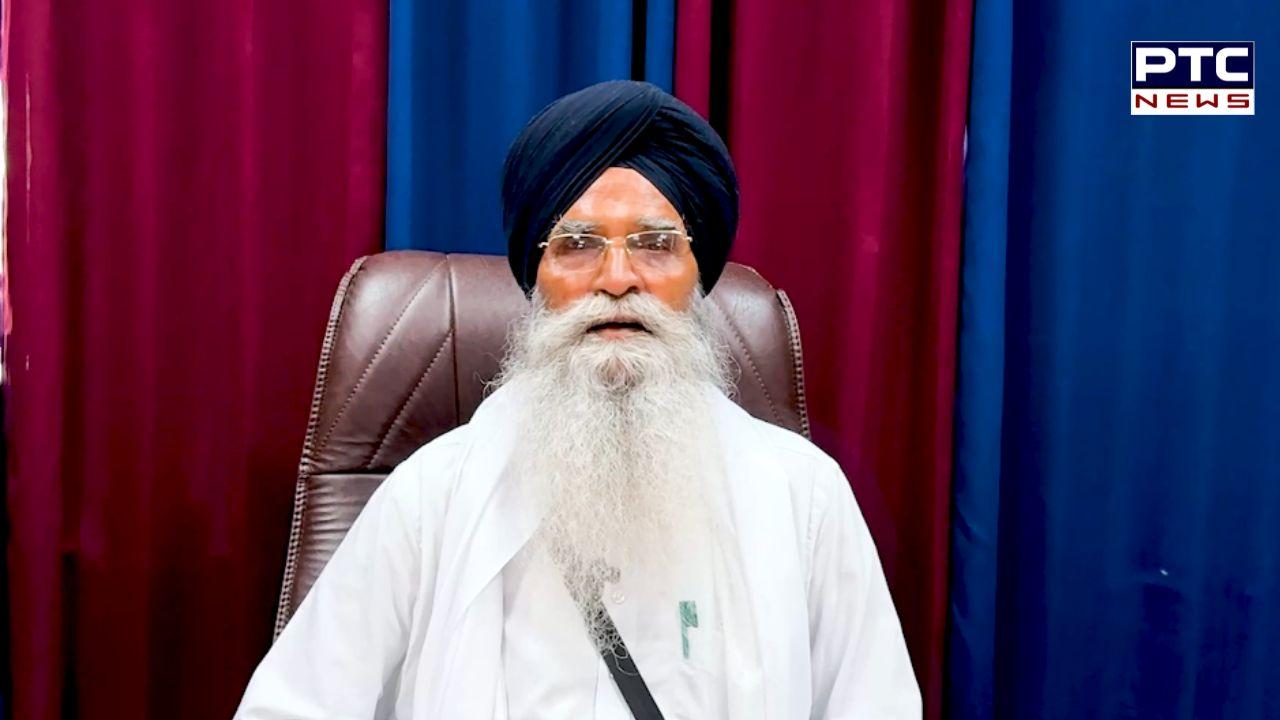
The controversy surrounding the alleged sacrilege video and the sharp criticism from the Akal Takht have created a political storm that refuses to die down. Whether justified or not, the issue has damaged the government's narrative and given the Opposition a powerful political weapon.
The Shiromani Akali Dal, BJP and Congress have all found common ground in targeting Mann's leadership.
What is particularly striking is AAP's response. Instead of addressing concerns through wider engagement or course correction, the party has doubled down on projecting Mann even more aggressively through public outreach programmes, government events and social media campaigns.
The move raises an uncomfortable question: is AAP showcasing confidence in its Chief Minister, or does it simply lack an alternative political narrative?
The government's supporters often point to recruitment drives, infrastructure projects and welfare initiatives. However, critics argue that Punjab continues to struggle with pressing issues such as unemployment, drug abuse, agrarian distress, fiscal pressures and concerns over law and order. These are challenges that cannot be overshadowed indefinitely through political branding.
AAP also continues to battle a perception problem. Since coming to power, the party has repeatedly faced accusations that key decisions are influenced by its central leadership. Ironically, the current effort to establish Mann as an independent Punjabi leader reflects an acknowledgment that this perception still exists among sections of the electorate.
The bigger concern for AAP is that by concentrating its campaign around one individual, it leaves itself vulnerable. If voters are unhappy with the government's performance, there will be no buffer and no alternative face to absorb the political damage. Every criticism of governance will inevitably become a criticism of Bhagwant Mann.
The Opposition understands this reality. That is why its attacks are increasingly directed at Mann personally rather than at the AAP organisation. The strategy is simple: weaken the face, and the campaign weakens with it.
As Punjab moves closer to election season, AAP's decision to place all its political chips on Bhagwant Mann may prove either its greatest strength or its biggest miscalculation. For now, the party appears convinced that Mann remains its most valuable asset.
The real question is whether Punjab's voters still share that belief.
- PTC NEWS