Iran warns ships in Strait of Hormuz, threatens destruction without permission as Trump announces 2-week ceasefire





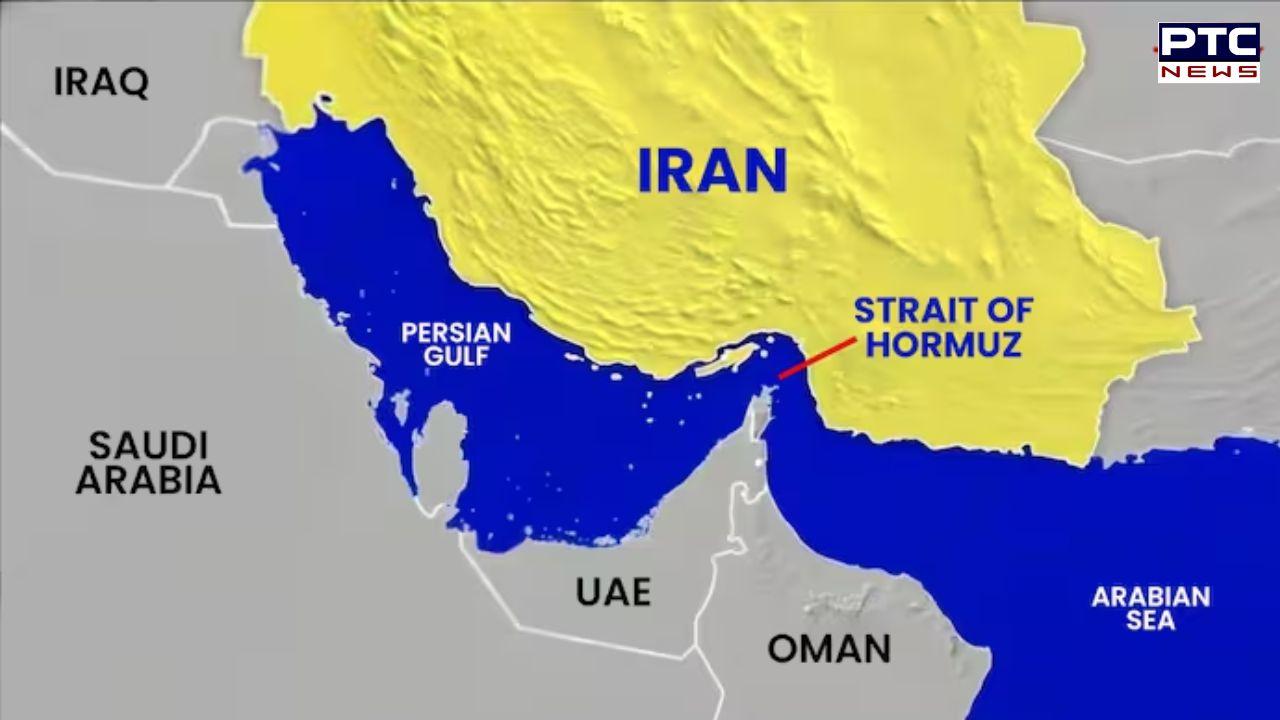
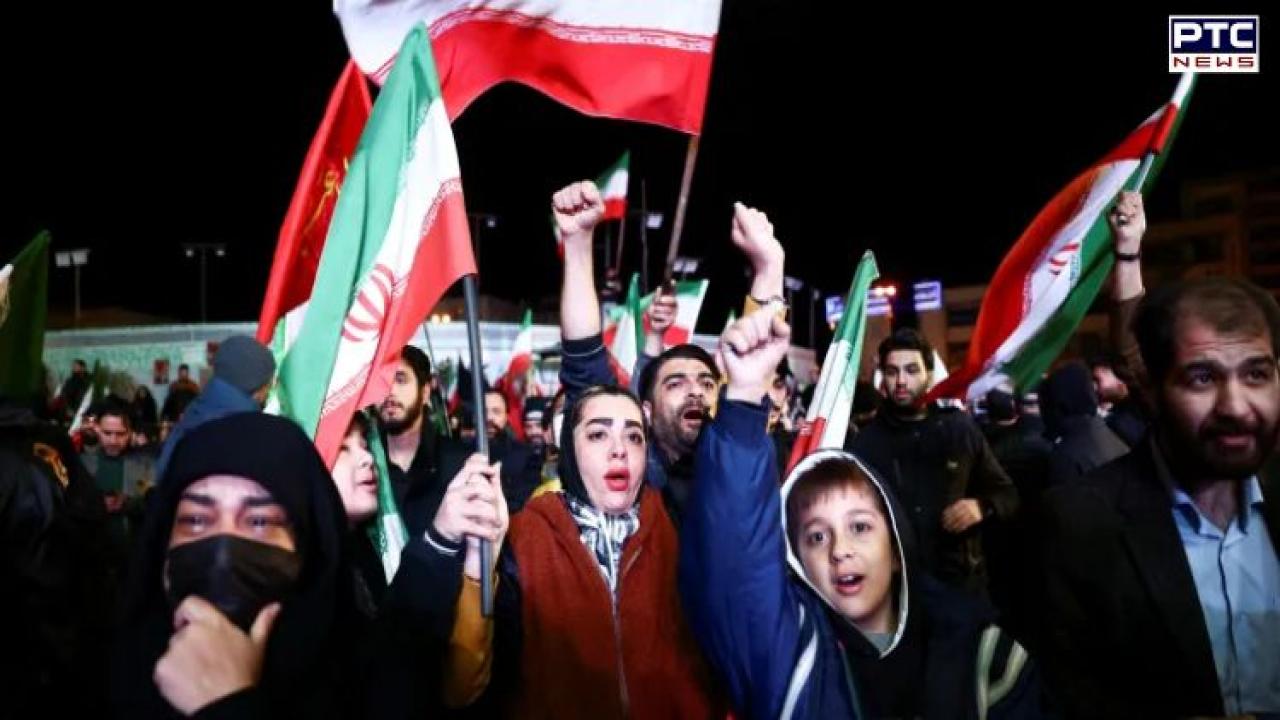
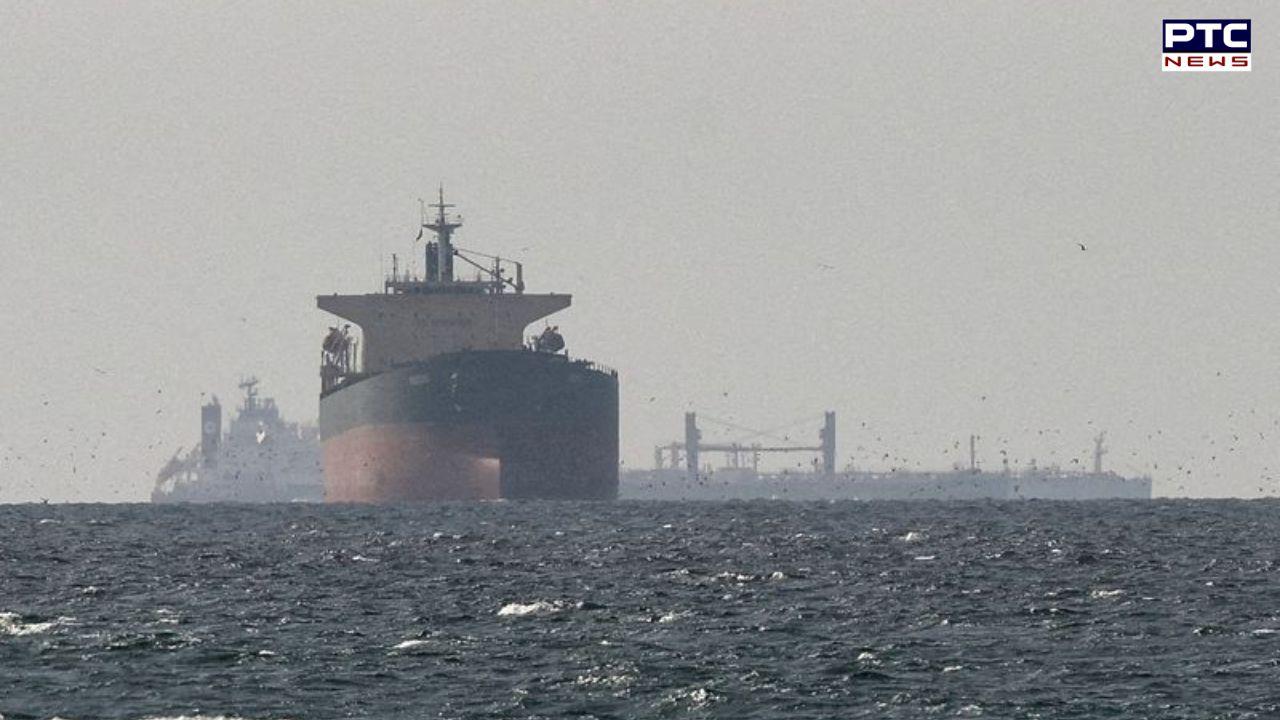
PTC Web Desk: Tensions in the Persian Gulf remain high as Iran has reportedly tightened its control over maritime movement through the strategically crucial Strait of Hormuz. On Wednesday, Iran’s naval forces issued a stern warning to commercial vessels operating in the region, stating that ships must obtain prior clearance before attempting to pass through the narrow waterway.
According to a report by The Wall Street Journal, Iranian naval authorities communicated over radio frequencies that any vessel crossing the strait without explicit permission from the Islamic Revolutionary Guard Corps (IRGC) Navy would face the risk of being targeted.
The development comes in the backdrop of a temporary pause in hostilities between the United States and Iran. US President Donald Trump has agreed to halt military action against Iran for a period of two weeks, conditional upon the uninterrupted and secure reopening of the Strait of Hormuz.
Despite the ceasefire arrangement, reports indicate that maritime activity in the region remains subdued, with several vessels choosing to stay put amid uncertainty. Visual evidence cited by the publication suggests continued military presence, including aircraft patrols over the Persian Gulf, reflecting the fragile nature of the situation.
The Strait of Hormuz, a narrow channel between Iran and Oman measuring roughly 34 km at its widest point, is one of the world’s most critical energy corridors. A significant share of global oil shipments, along with other essential commodities such as fertilisers, pass through this route, making any disruption a matter of international concern.
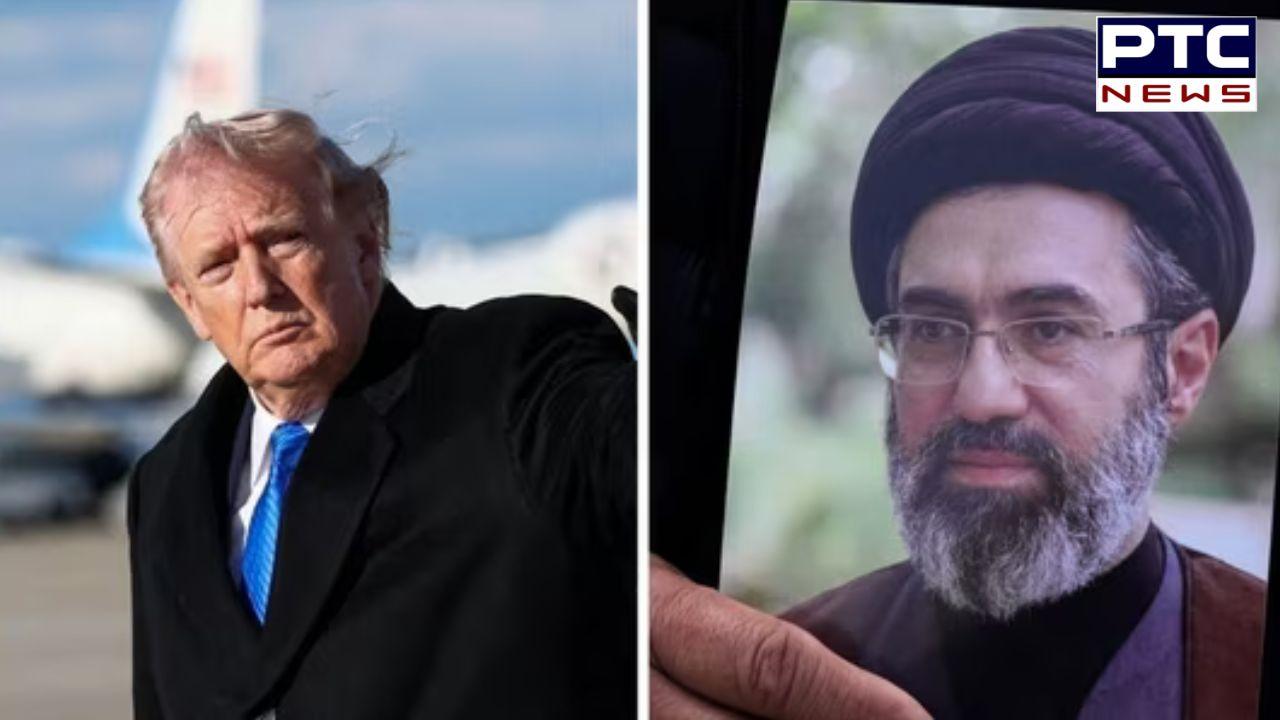
Earlier, Trump had escalated rhetoric by warning of severe consequences, but later confirmed a de-escalation effort through a ceasefire announcement on his social media platform. He stated that the proposal for a temporary truce had been put forward by Shehbaz Sharif, with support from Pakistan’s military leadership under Asim Munir.
While the agreement signals a pause in direct confrontation, the situation in and around the Strait of Hormuz continues to be closely monitored, given its global economic significance and the persistent military presence in the region.
- With inputs from agencies