Nepal demands climate compensation from US, India & China after deadly floods; Balen Shah may take issue to UN





PTC Web Desk: Nepal is preparing to push for international compensation after a devastating flood in the Bhotekoshi River basin killed more than 1,100 persons and left thousands missing.
Nepal has identified China, the United States and India as the world's biggest greenhouse gas emitters and argues that major emitting nations should share responsibility for the growing climate risks faced by vulnerable countries such as Nepal.
Foreign Minister Shisir Khanal has described the demand as an issue of justice rather than charity, saying countries that have contributed relatively little to global emissions are facing some of the worst consequences of a warming planet.
Speaking to Kantipur TV, Khanal said Nepal wanted to change the way it approached international assistance, moving away from a traditional aid-based model towards a demand for climate-related compensation.
“This is not a matter of charity,” Khanal said, arguing that vulnerable countries should not be left to repeatedly bear the financial burden of disasters linked to a changing climate.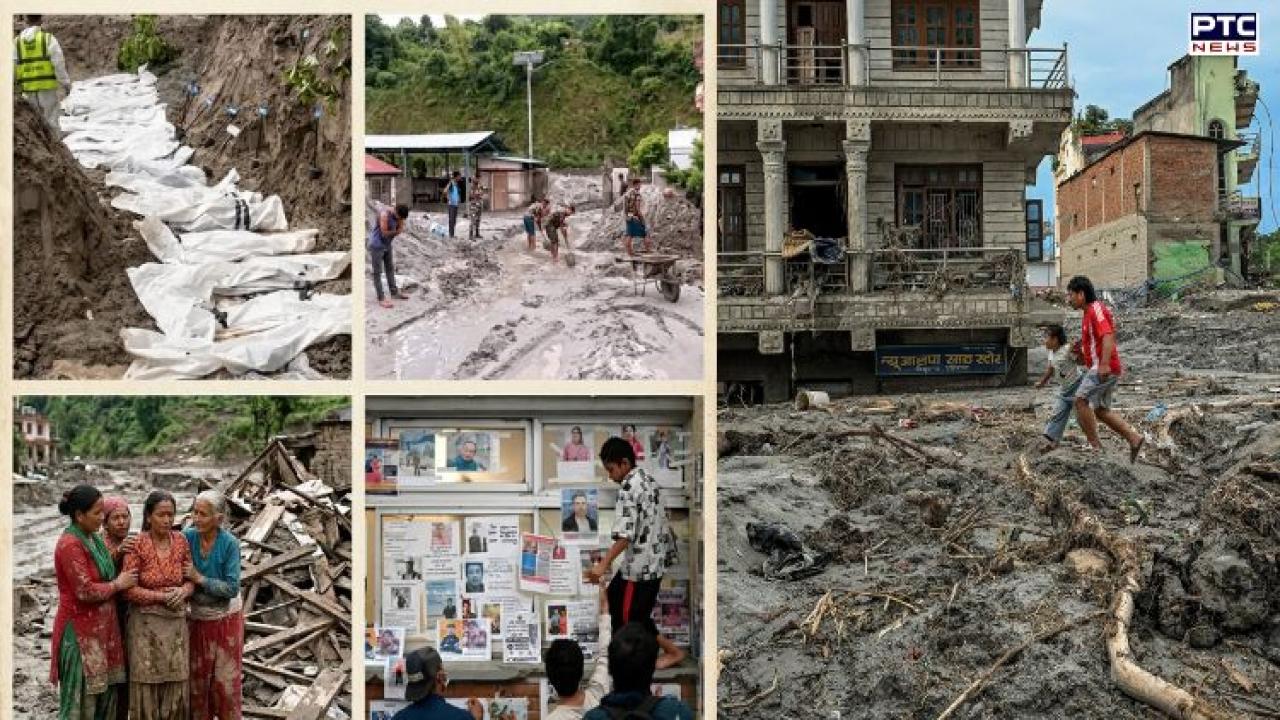
The government is preparing to take the matter to international platforms, including the United Nations. Nepal is reportedly considering sending Prime Minister Balendra “Balen” Shah to New York for the 81st United Nations General Assembly, where the country's flood disaster and demand for climate justice could be highlighted.
The General Assembly's high-level debate is scheduled for September, while Foreign Minister Khanal had earlier been expected to represent Nepal.
Kathmandu has also formally approached the Fund for Responding to Loss and Damage, a UN-backed mechanism established to support developing countries particularly vulnerable to climate change.
Nepal is seeking urgent financial assistance not only for immediate relief but also for reconstruction, resettlement and restoration of damaged infrastructure.
Also Read | Nepal flash floods: Fresh flood threat looms as death toll crosses 1,100, thousands still missing
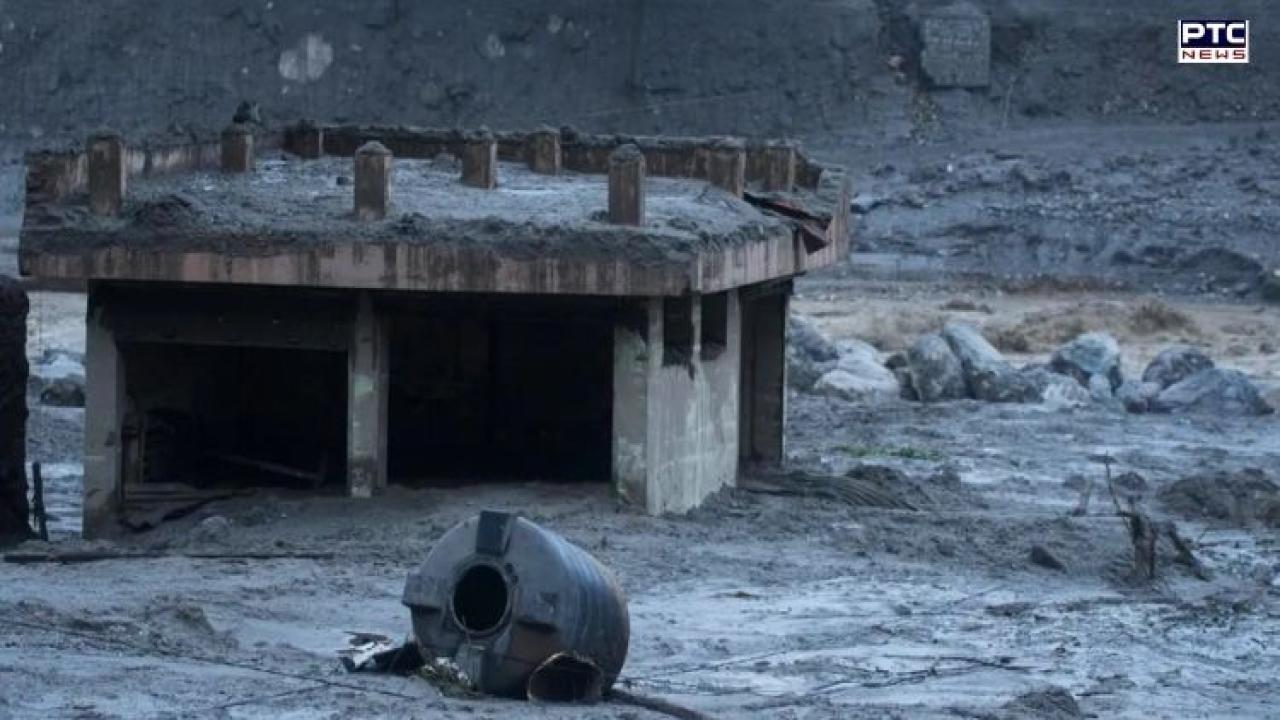
The disaster struck on August 26 after a massive surge of water, ice, rocks and debris moved through the Bhotekoshi basin near the Nepal-China border.
Rasuwa, Nuwakot and Dhading were among the badly affected districts. Homes, roads, bridges and hydropower infrastructure suffered extensive damage, while thousands of residents were displaced.
According to figures available by September 1, more than 1,100 persons had died and around 3,900 remained missing. Rescue and search operations have continued in several affected areas.
Nepal's Finance Minister Swarnim Wagle has indicated that the country could require around $4 billion to $5 billion for rebuilding damaged areas, a sum equivalent to a significant portion of the country's economy.
Nepal says rapid glacier melt, unstable mountain slopes and changing conditions in the Himalayas are increasing the country's exposure to extreme disasters.
However, experts have cautioned that establishing a direct link between the specific August 26 flood and human-caused climate change requires detailed scientific investigation.
Initial assessments have pointed to several possible factors, including a rock-and-ice avalanche, unstable glaciers and rapidly changing conditions in the high-altitude Himalayan region.
Khanal has referred to the disaster as a “Himalayan tsunami”, stressing that the consequences extend beyond Nepal because Himalayan rivers provide water to billions of people across South Asia.
- With inputs from agencies