Middle East tensions escalate: Saudi Arabia joins US strikes on Iran-backed forces in Iraq; Tehran fires missiles, 20 dead





Middle-east conflict: The conflict involving Iran widened further on Tuesday night after Saudi Arabia joined the United States in launching airstrikes on positions of the Iran-backed Popular Mobilization Forces (PMF) in Iraq. According to reports, at least 20 PMF fighters were killed and 32 others were injured in the strikes.
The US military said the targeted locations were allegedly being used to prepare attacks on American troops stationed in the region as well as Saudi Arabia's energy infrastructure.
Hours after the strikes, Iran responded by launching several ballistic missiles towards a US military base in Jordan. According to reports, all of the missiles were intercepted before reaching their target.
Also Read | 'Amit Shah ordered force on NEET protesters': Rahul Gandhi's remarks create massive uproar in Lok Sabha
Also Read | One-sided obsession behind Amritsar's Navneet Kaur 's murder in Canada; victim's father says harassment complaints to youth's kin ignored
According to the US military, intelligence indicated that Iran-backed PMF fighters were preparing attacks against American personnel in Iraq and strategic energy facilities in Saudi Arabia. The joint operation was carried out to prevent those alleged attacks and target the group's military infrastructure.
The Popular Mobilization Forces strongly condemned the joint US-Saudi operation, calling it a "terrorist attack." In a statement shared on Telegram, the group accused both countries of carrying out what it described as a "treacherous attack" on its headquarters and military facilities.
The PMF also said its fighters remain on high alert and are prepared to respond to any future developments.
In retaliation, Iran launched several ballistic missiles aimed at a US military installation in Jordan. Reports said air defence systems intercepted all incoming missiles before they could strike the base, preventing casualties or major damage.
The exchange has added to growing concerns about the possibility of a wider regional conflict.
One of the key diplomatic developments came after a meeting between US President Donald Trump and Israeli Prime Minister Benjamin Netanyahu at the White House.
Following the meeting, Netanyahu described it as one of his best discussions with the US President, saying both leaders agreed that Iran must never be allowed to acquire nuclear weapons.
Ukrainian President Volodymyr Zelensky also met Donald Trump to discuss military cooperation and the ongoing Russia-Ukraine war.
The talks focused on strengthening Ukraine's air defence capabilities, including Patriot missile systems, while also exploring diplomatic efforts aimed at ending the conflict.
Amid rising tensions between Iran and the United States, Oman has proposed a new framework for managing the strategically important Hormuz strait.
Under the proposal, control of the vital shipping route would be shared among regional countries instead of remaining solely under Iran's authority. The proposal has reportedly received support from several Gulf nations.
Iran, however, has firmly rejected any suggestion of shared control. Deputy Speaker of Iran's Parliament Ali Nikzad said the Hormuz Strait belongs to Iran and would continue to remain under its authority.
Speaking through state media, Nikzad said Iran would not compromise on its rights over the strategic waterway. He also claimed that all members of Parliament support a proposed law related to the management of the strait, although details of the legislation have not yet been disclosed.
International crude oil prices fell after reports suggested that diplomatic contacts between the United States and Iran could resume.
Both Brent crude and West Texas Intermediate (WTI) traded near their lowest levels in several days as markets responded positively to the possibility of renewed negotiations.
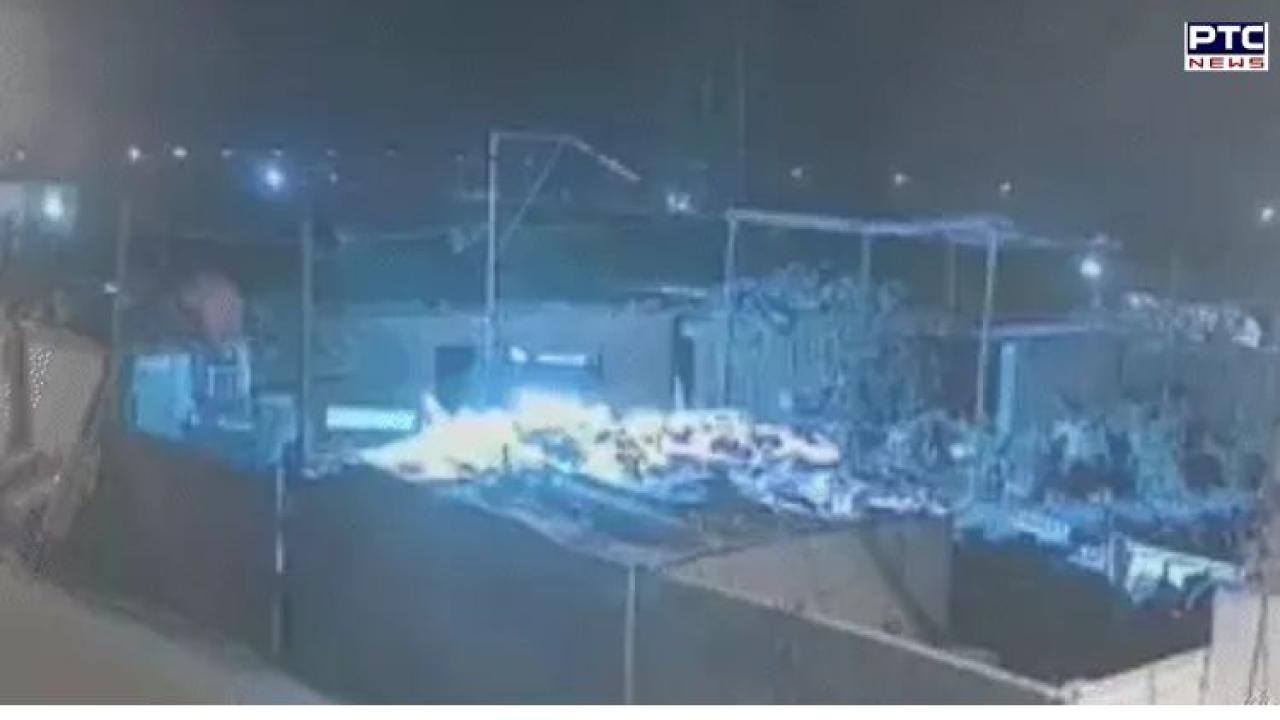
Security concerns have also intensified across the region following multiple drone attacks reported over the past two days in Iraq, Jordan and Saudi Arabia.
While Yemen's Houthi rebels claimed responsibility for some of the incidents, the perpetrators behind several other attacks have not yet been identified.
Following the latest escalation, the US Embassy in Baghdad issued a security advisory for American citizens in Iraq. The embassy urged US nationals to closely monitor local media, follow instructions issued by Iraqi authorities and remain alert due to the volatile security situation.
It also warned that airspace closures or flight disruptions could occur without prior notice and advised travellers to check their flight status before heading to the airport.
- With inputs from agencies