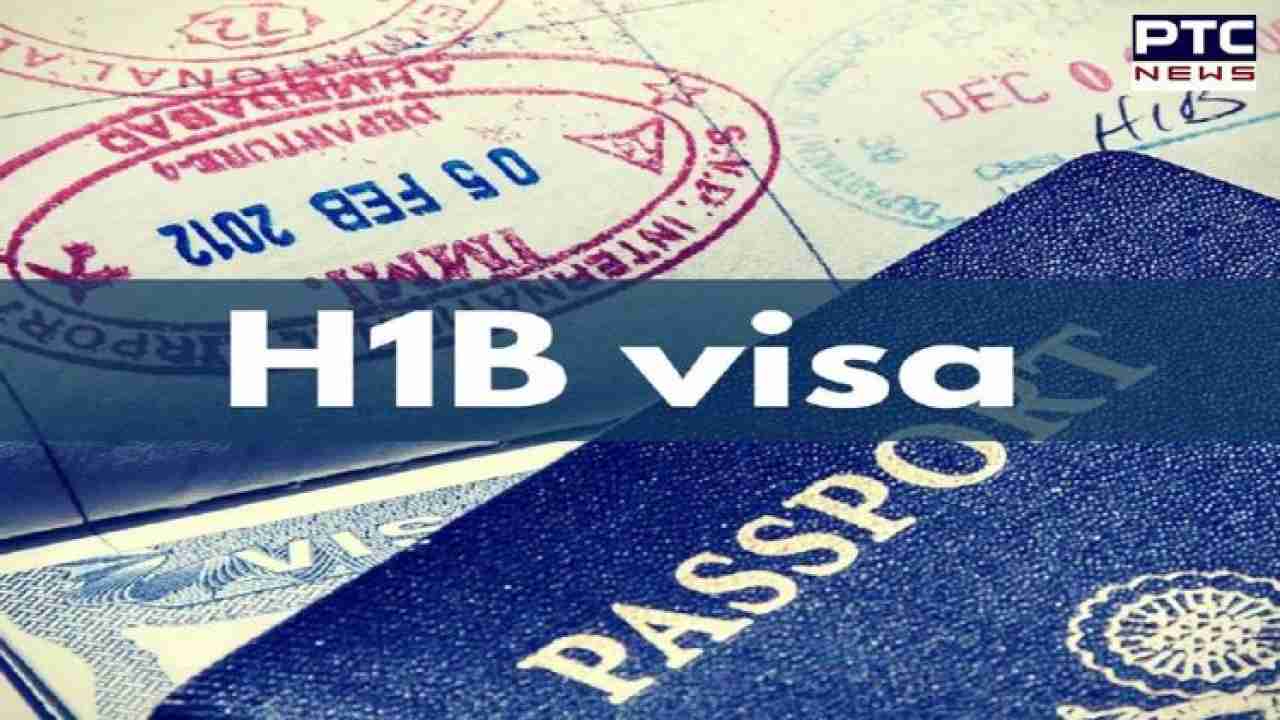
US postpones H-1B visa interviews in India amid new social media screening rules



PTC Web Desk: The US State Department has postponed H-1B visa interviews scheduled in India for later this month, leaving thousands of applicants anxious and confused. The abrupt rescheduling comes at a time when the US has begun intensifying digital scrutiny of visa applicants, particularly their social media activity.
On Tuesday night, the US Embassy in India issued an advisory informing applicants that their appointments had been moved to new dates. “If you have received an email advising that your visa appointment has been rescheduled, Mission India looks forward to assisting you on your new appointment date,” the Embassy posted on X, warning that those arriving on their old dates would not be allowed entry.
The immediate question causing concern is the reason behind this last-minute reshuffle. Several immigration attorneys, along with email excerpts reviewed by Bloomberg Law, indicate the delays are tied to new social-media vetting requirements for H-1B applicants.
Last week, the State Department announced a major expansion of online-presence checks: H1B applicants and their dependents (H-4 visa holders) will now undergo the same social-media screening that was recently introduced for student visas. Interviews scheduled between mid and late-December are reportedly being postponed as far out as next summer.
This delay could severely impact Indian workers awaiting visa renewals, many of whom may now face months before they can return to the US. Although the State Department has not confirmed whether all December appointments are being pushed back, the new social-media policy is clear. From December 15, 2025, applicants must make their social media accounts publicly visible so that officers can evaluate posts for content deemed hostile to the United States.
The State Department said the step was necessary because “every visa adjudication is a national security decision,” adding that the US must ensure all applicants pose no threat and fully intend to follow immigration rules.
The tightening of digital scrutiny is seen as the latest move in a broader effort to clamp down on the H-1B programme, an initiative that intensified under the Trump administration. Earlier changes included a proposed overhaul of the H-1B lottery system and a hefty $100,000 fee for new petitions filed from abroad.
The increased monitoring of online activity has already affected international students, including Indians. Several student visas were previously revoked over participation in campus protests or posts allegedly supporting militant groups. Reports indicated the use of an AI-based system called “Catch and Revoke” to scan social media even before official vetting rules were formalised.
- With inputs from agencies