Cyclone Michaung: Several Indian cities could be submerged three feet underwater, not limited to Chennai
Cyclone Michaung's floods emphasise India's cities facing climate risks. A dozen, including Chennai, might face three feet of flooding by this century's end, posing severe dangers.
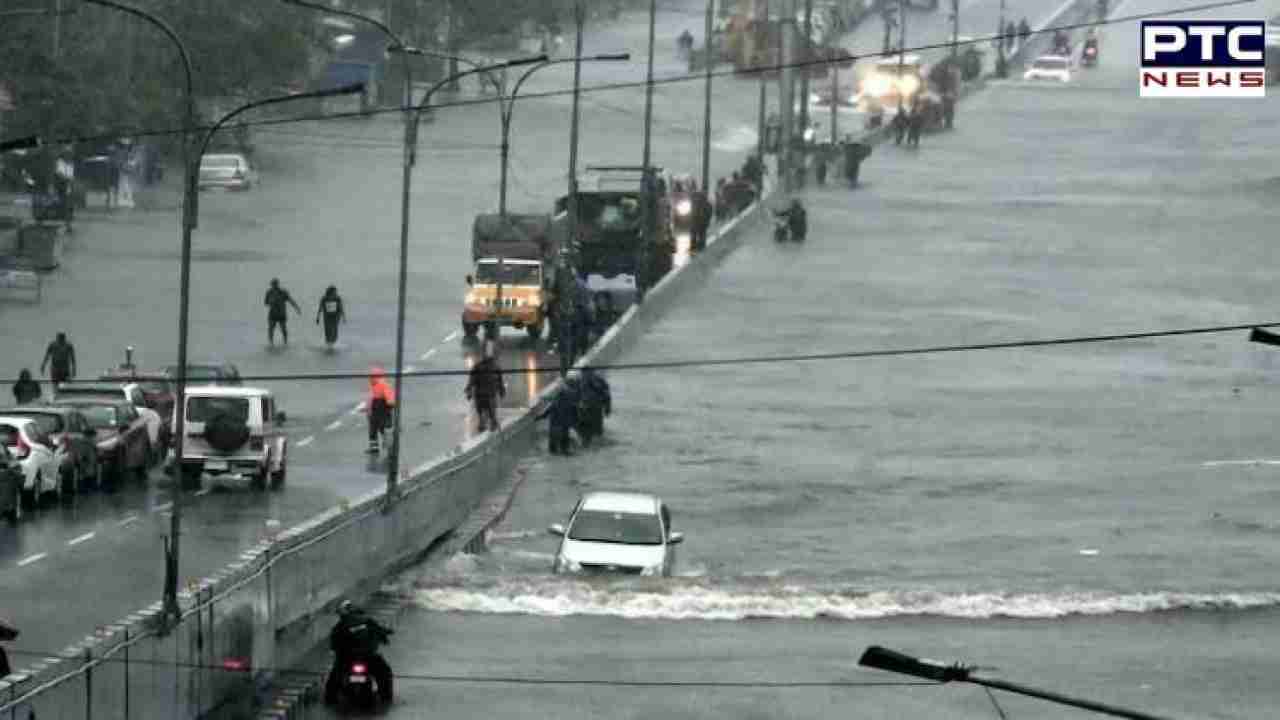
Cyclone Michaung: The recent inundation in Chennai due to Cyclone Michaung has once again highlighted the susceptibility of Indian cities to climate-induced disasters. Within a span of 48 hours by December 4, 2023, Chennai experienced over 40 cm of rainfall, submerging residential areas and roads, causing substantial damage and loss of life. While this calamity was triggered by a cyclone, it unveiled deeper vulnerabilities in urban resilience.
Chennai's plight echoes a larger narrative of climate vulnerability across various Indian cities. Coastal areas like Kolkata and Mumbai face threats from rising sea levels, cyclones, and riverine flooding. The World Bank Group's commissioned research predicts dire consequences for India, especially along its coast, foreseeing significant sea-level rises. This surge could jeopardise coastal cities through saltwater intrusion, affecting agriculture, water quality, and escalating the risks of waterborne diseases.

The Intergovernmental Panel on Climate Change (IPCC) raised alarms in its 2021 report, suggesting that a dozen Indian cities, including Mumbai, Chennai, Kochi, and Visakhapatnam, might be submerged under nearly three feet of water by the end of the century. This isn't just a hypothetical scenario—over seven million coastal farming and fishing families are already grappling with the consequences. Coastal erosion, compounded by rising sea levels, threatens agricultural lands and the livelihoods of these communities.
Furthermore, the vulnerability isn't exclusive to coastal regions. Inland cities in Bihar, Himachal Pradesh, Uttarakhand, and even Delhi have experienced floods and landslides due to erratic monsoons. Delhi witnessed historic floods earlier, with the Yamuna river breaching previous records, inundating low-lying areas, and impacting infrastructure. Encroachments on floodplains and rapid construction along riverbanks worsened the situation, exacerbating the risks.
The changing patterns of extreme weather events are affecting a significant portion of Indian districts, transitioning flood-prone areas into drought-prone ones and vice versa. Hill states suffer due to unplanned urbanization in fragile terrains, exacerbating the destruction caused by floods and landslides. Addressing these challenges demands a multifaceted strategy.
Strict adherence to building codes, anticipatory urban planning considering climate-related risks, coastal protection measures like embankments, and enforcing regulations are imperative. Concepts like watershed management and adopting the 'sponge city' model could mitigate flood risks.
While initiatives like the Mumbai Climate Action Plan (MCAP) 2022 aim to bolster climate resilience through informed planning, there's a pressing need for better hydro-meteorological systems and early warning mechanisms to prepare and respond to disasters effectively.
The urgency lies in adapting Indian cities to the evolving climate reality. As urban areas burgeon and attract more inhabitants, the emphasis on resilient infrastructure and sustainable urban planning becomes paramount. The recent inundation in Chennai stands as a clarion call, urging concerted efforts to fortify cities against the increasingly severe impacts of a changing climate.