Supreme Court allows passive euthanasia for PU student after 13 years in vegetative state





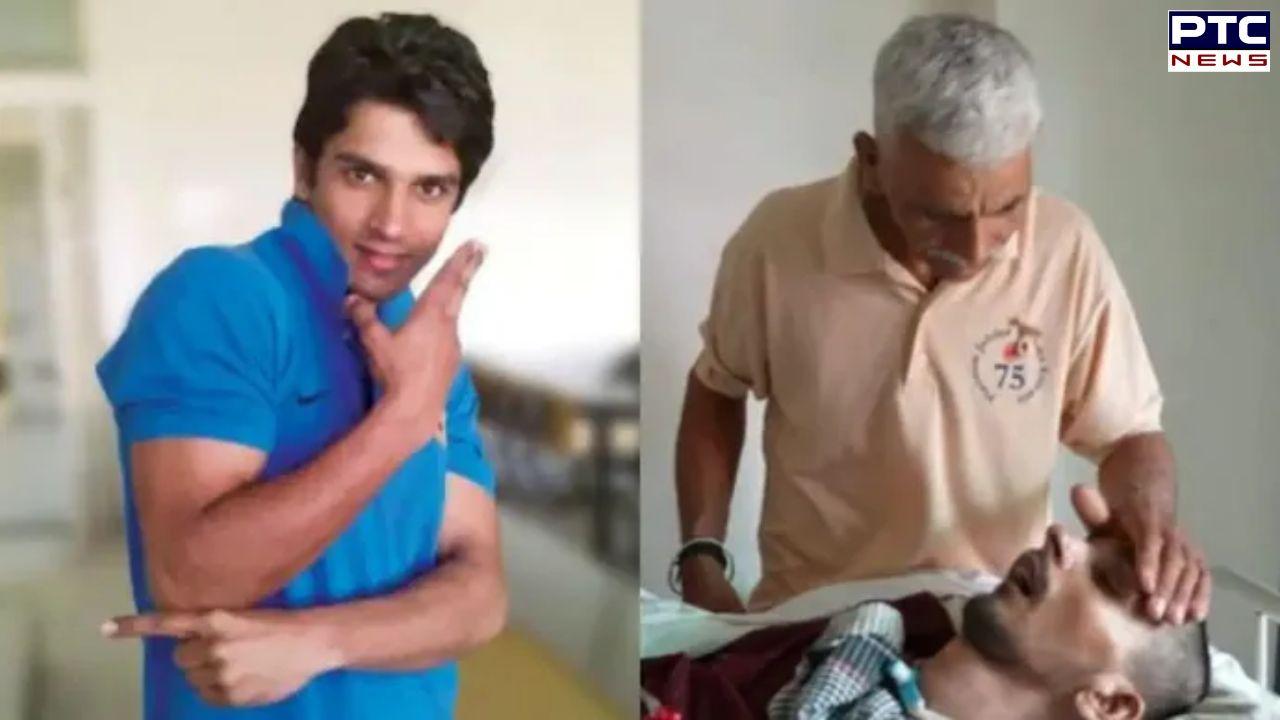
PTC News Desk: After being in a vegetative state for over 13 years, the Supreme Court has granted 'right to die' to 31-year-old Harish Rana, allowing withdrawal of life support.
The court has also urged the Centre to consider bringing a law on passive euthanasia, which is allowed in India only after the Supreme Court studies the opinions of two medical boards on the patient's condition.
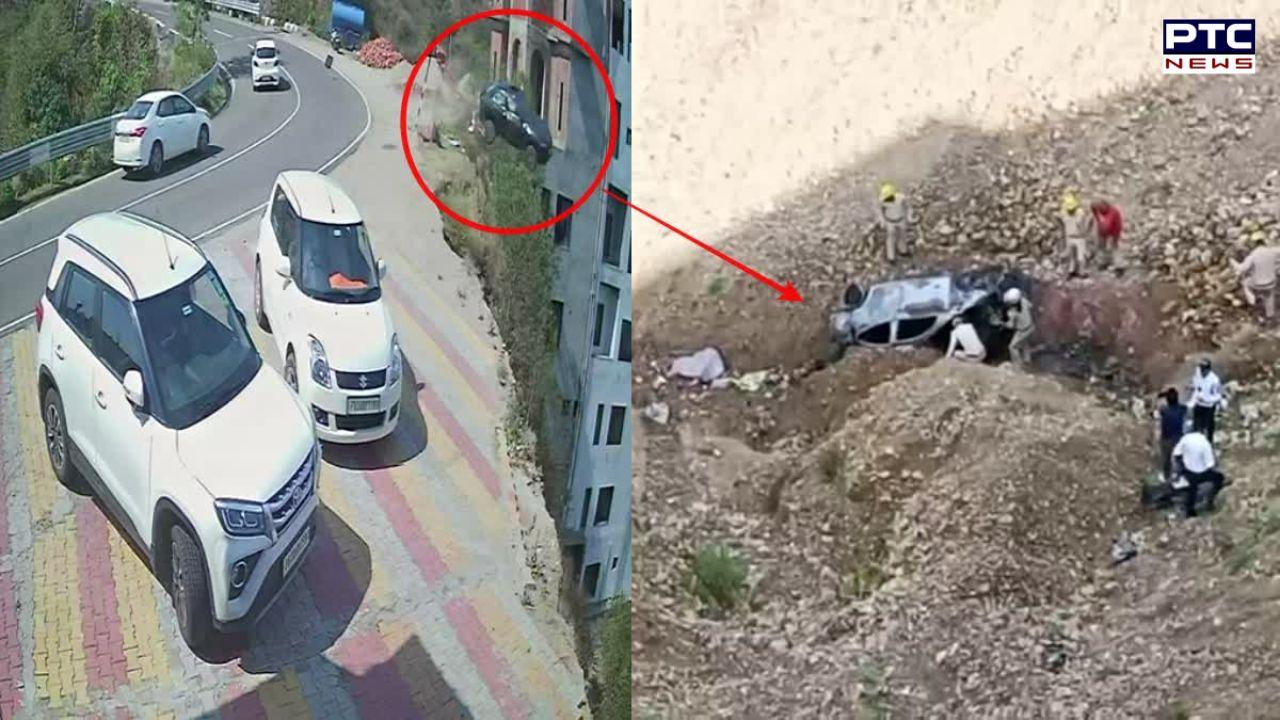
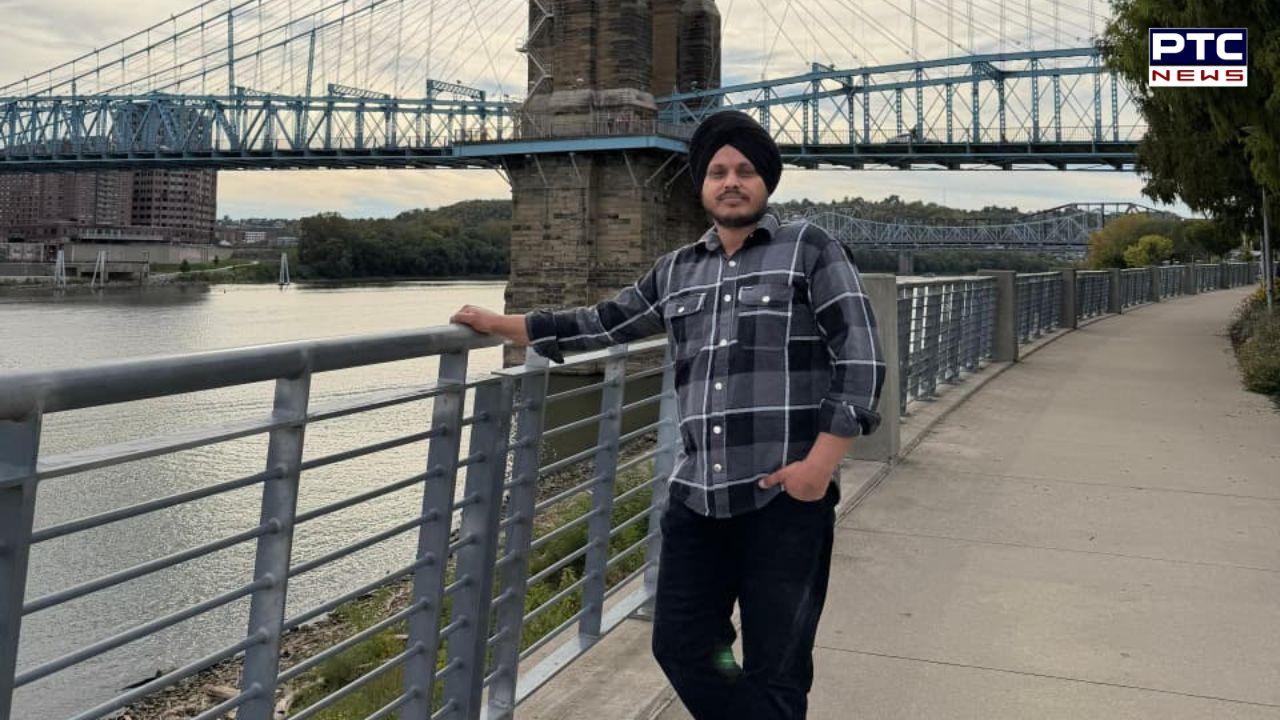
Harish Rana, a student of Punjab University, fell from the fourth floor of a paying guest accommodation in 2013 and suffered severe injuries. He was placed on life support and has since remained bedridden. He now depends on a tracheostomy tube to breathe and a gastrojejunostomy tube for feeding.
In its order, a bench of Justice JB Pardiwala and Justice KV Viswanathan said, “Gods ask no man if he accepts life, you must take it,” quoting US minister Henry Ward Beecher, while discussing whether a person can choose to die. Justice Pardiwala also referred to William Shakespeare’s famous line from Hamlet, “To be or not to be,” saying it reflects the debate over the “right to die”.
The court said life support can only be withdrawn under two conditions: the treatment must qualify as medical intervention, and the decision must be in the patient’s best interest.
Difference between active and passive euthanasia
What is passive euthanasia
How is it different from active euthanasia
- With inputs from agencies