Loans to get costlier as RBI hikes repo rate to 5.5 %, cites inflation; first raise since 2023





PTC News Desk: The Reserve Bank of India’s Monetary Policy Committee (MPC) on Wednesday raised the repo rate by 25 basis points to 5.50%. This is the first rate hike since February 2023, as the RBI raised concerns over increasing inflation and difficult global economic conditions.
The decision was taken unanimously after the MPC’s three-day meeting held from October 5 to 7. The RBI also changed its policy stance to “calibrated tightening”, indicating that rate cuts are unlikely in the near future.
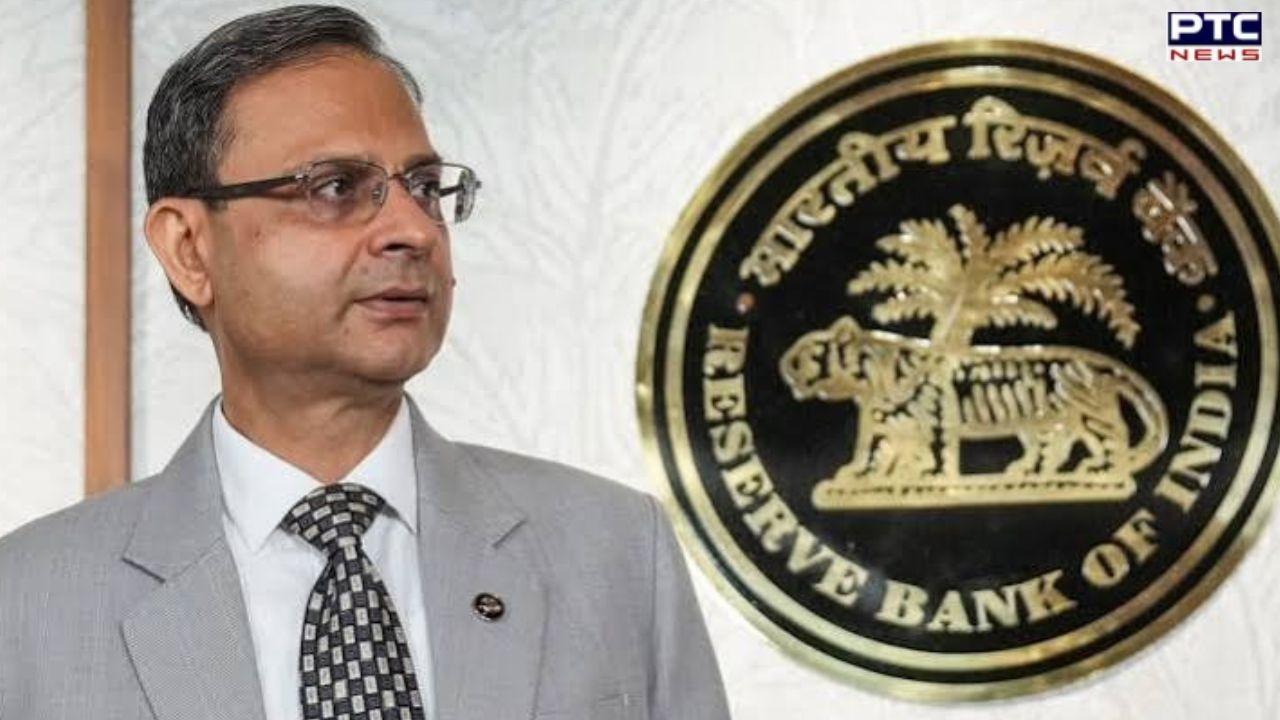
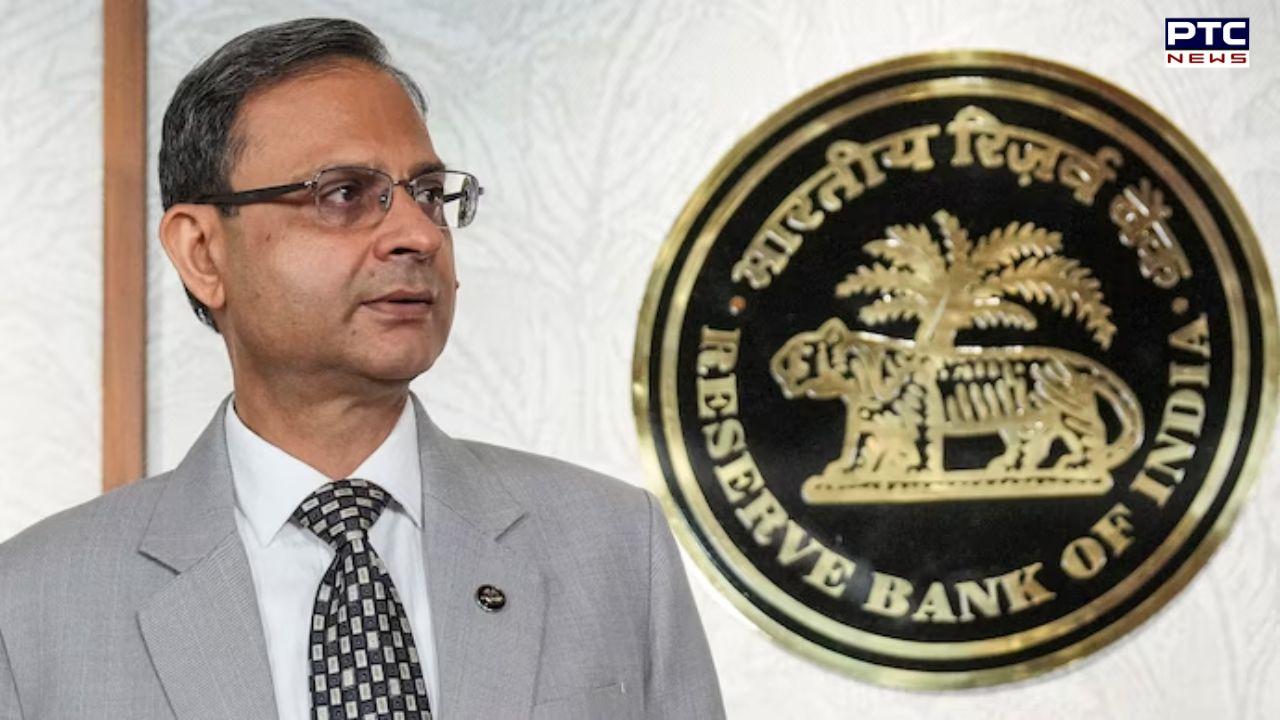
RBI Governor Sanjay Malhotra said the decision was mainly driven by the changing inflation outlook, although he said the Indian economy continues to remain strong.
He said inflation is no longer as under control as it was last year. The RBI expects retail inflation to average around 5.8% over the next three quarters, while inflation for the entire financial year is estimated at 4.4%.
Why did the RBI raise the repo rate?
The RBI’s decision comes as global food and energy prices remain high, financial markets face volatility and global financial conditions become tighter.
Malhotra said global economic growth remains stable but is likely to slow this year. Rising food and energy prices are also pushing inflation higher worldwide and encouraging major central banks to tighten monetary policy.
Other concerns include continued uncertainty over global trade, higher bond yields in developed economies and a stronger US dollar, all of which are creating pressure in global financial markets.
The RBI said geopolitical developments have also made the global economic environment challenging.
Despite these concerns, Malhotra said the Indian economy remains resilient, with growth being supported across several sectors.
Inflation remains the main concern
Inflation was a major factor behind the MPC’s decision.
The RBI said inflation expectations have increased and price pressures are spreading to more areas of the economy. However, there is still limited evidence that supply-related price pressures have become a permanent part of companies’ pricing decisions.
The central bank also pointed out that monetary policy takes time to control the wider impact of supply shocks, including their effect on inflation expectations and business pricing.
The MPC therefore decided that adjusting the policy rate was necessary.
The RBI also raised concerns about strong growth in money supply and credit, although it found limited signs that excessive demand was currently driving inflation.
Rate cuts unlikely in the near term
The shift to “calibrated tightening” is significant because it indicates that the RBI is not planning to cut interest rates in the near term.
Malhotra said future decisions will depend on how inflation and economic growth develop. The RBI has not committed to a series of further rate hikes.
He said the next policy move could either be another rate increase or a pause, depending on economic conditions.
The RBI will closely monitor underlying inflation, whether price pressures continue to spread, the broader impact of supply shocks and changes in consumer demand before deciding its next move.
- PTC NEWS