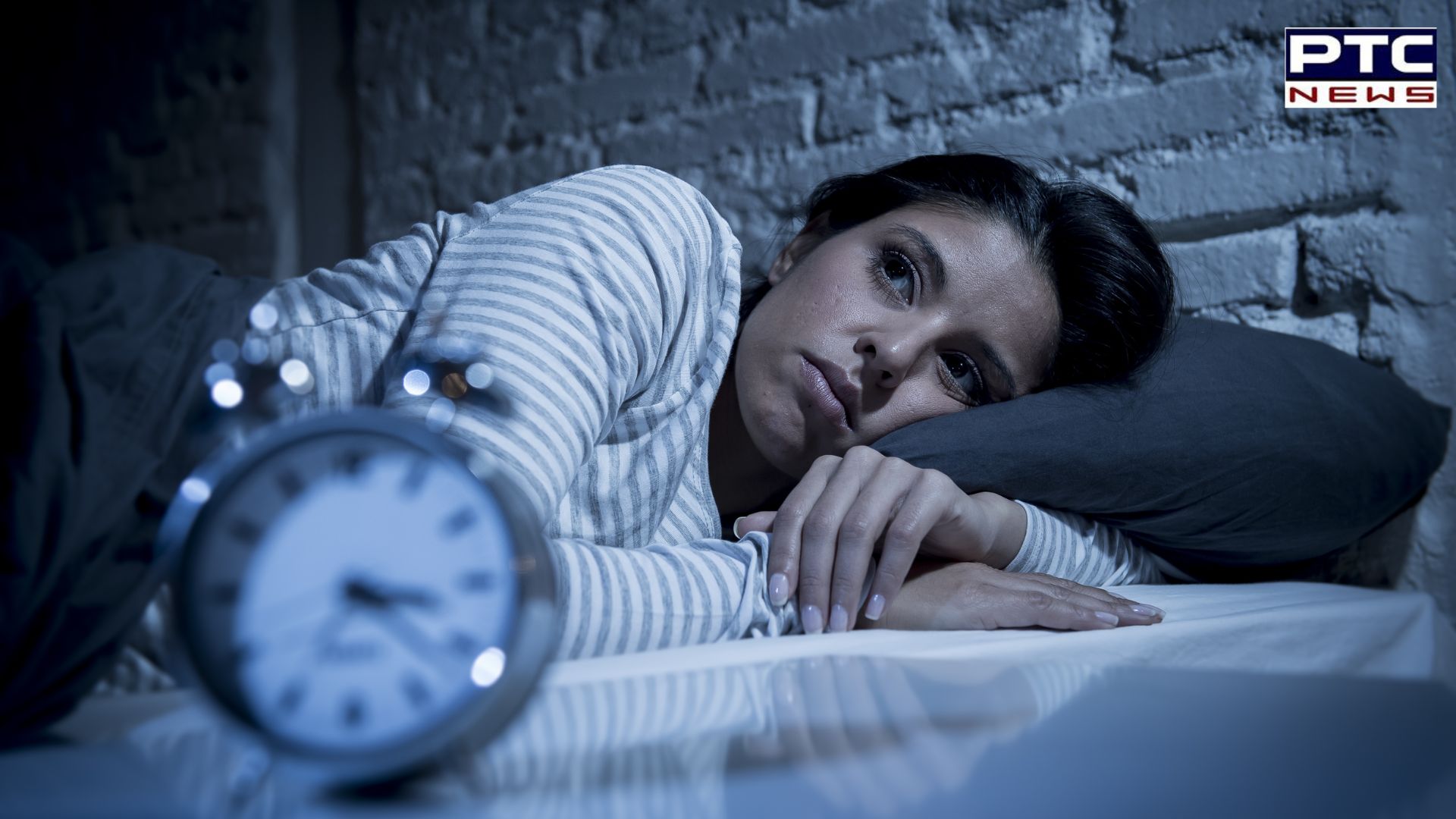
Having energy drinks may lead to poor sleep quality, insomnia among college students





PTC News Desk: Consuming energy drinks may lead to poor quality sleep and insomnia among college students, a major Norwegian study published in the open-access journal BMJ Open suggests.
The higher the frequency of consumption, the fewer hours of sleep the students got each night. However, even the occasional can (1-3 times per month) is associated with an increased risk of disturbed sleep, according to the findings.
According to the researchers, energy drinks contain an average of 150 mg of caffeine per litre, as well as varying amounts of sugar, vitamins, minerals, and amino acids. They are popular among college students and young people in general, having been marketed as mental and physical pick-me-ups.
While there is some evidence that they reduce sleep quality, it is unclear which aspects of sleep are more or less affected, or if these effects differ by gender.
Guwahati: Congress workers, police clash over denied entry for Rahul Gandhi's yatra
Assam CM accuses Rahul Gandhi of inciting violence, shares video evidence
To delve deeper into these issues, the researchers drew on 53,266 participants aged 18 to 35 from the Students' Health and Well-being Study (SHOT22), the most recent wave of a large national survey of Norwegian college and university students.
Students were asked how frequently they drank energy drinks, with responses ranging from daily to weekly (once; 2-3 times; 4-6 times), monthly (1-3 times), and seldom/never.
They were also asked detailed questions about their usual sleep patterns, such as when they went to bed and when they woke up, how long it took them to fall asleep (sleep latency), and how alert they were after sleeping. Sleep efficiency was calculated by dividing the total nightly hours of sleep by time spent in bed.
Insomnia was defined as having difficulty falling and staying asleep, as well as waking up early on at least three nights per week, for at least three months.
The survey responses revealed clear sex differences in energy drink consumption habits. Women, for example, were more likely than men to report never or rarely consuming energy drinks (50% vs. 40%).
Of those who said they drank these beverages, 5.5% of women said they drank them 4-6 times per week, and slightly more than 3% said they drank them every day. Men had comparable figures of 8% and 5%, respectively.
However, there was a clear dose-response relationship for both sexes between energy drink consumption and fewer hours of sleep.
Men and women who reported daily consumption slept approximately half an hour less than those who reported occasional or no consumption. Similar associations were found between waking up after falling asleep and taking longer to fall asleep.
Increased consumption was associated with an increase in both nocturnal wake time and time taken to fall asleep, indicating poorer sleep efficiency.
Ram Lalla idol: Know how much gold, diamond used at Ram Temple
Ram Lalla idol depicts 10 avatars of Lord Vishnu, know significance
Insomnia was also more common among women and men who reported daily consumption than those who reported occasional or no consumption (51% vs 33% for women and 37% vs 22% for men).
Overall, higher energy drink consumption was linked to an increased risk of sleep problems across all aspects investigated, with the strongest associations found for short sleep duration.
Men who reported daily consumption were more than twice as likely to say they slept fewer than 6 hours per night as those who reported no or only an occasional energy drink, while women were 87% more likely.
However, even those who reported drinking an energy drink 1-3 times per month were more likely to experience sleep problems.
This is an observational study, so no definitive findings can be drawn about cause. And the researchers acknowledge that reverse causality--in which energy drink consumption is a result of poor sleep rather than the other way around--could explain the findings.
-