Swine flu alert in Punjab: 1,926 suspected, 347 confirmed cases so far; two deaths in Jalandhar and Ludhiana





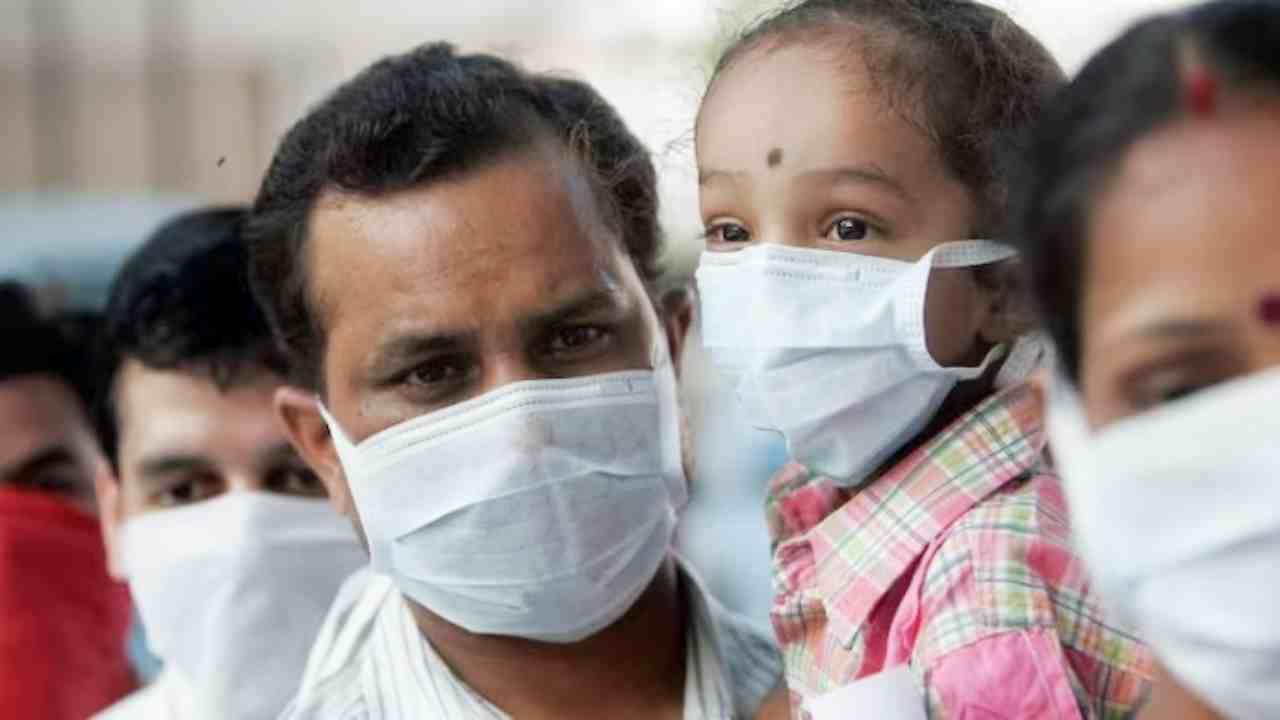
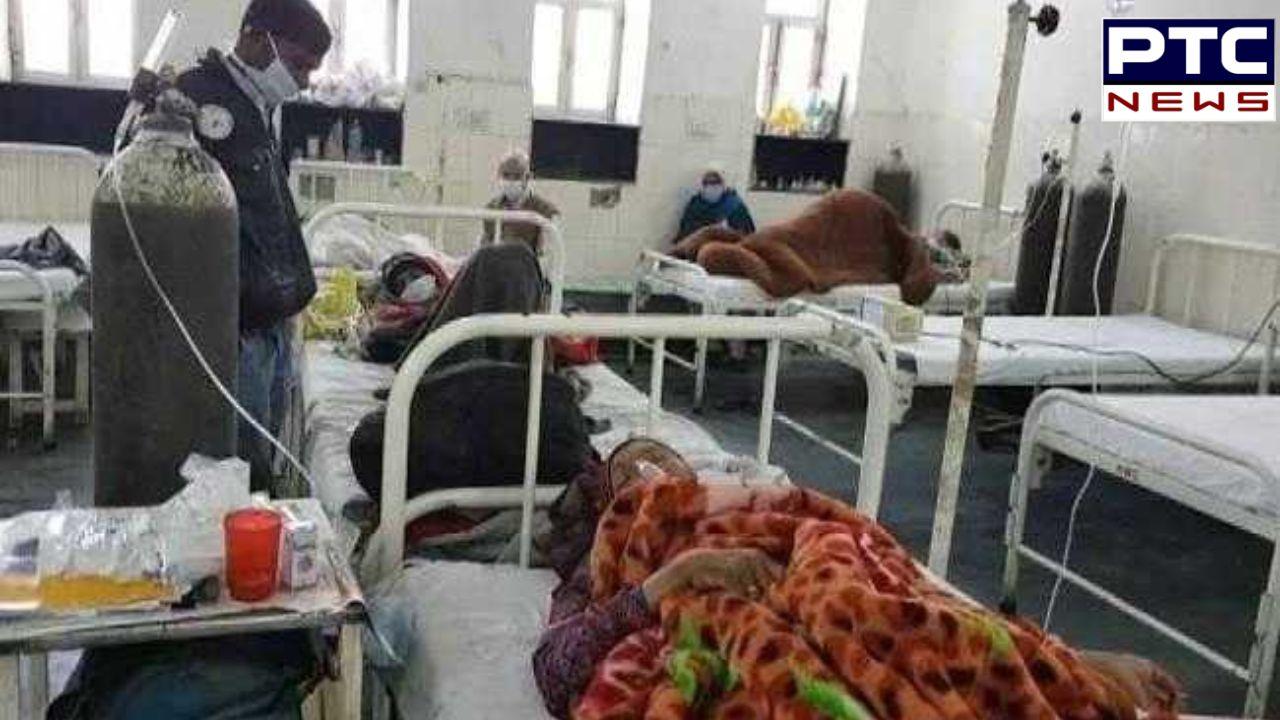
PTC Web Desk: Punjab has reported 1,926 suspected swine flu cases, with two deaths recorded in Jalandhar and Ludhiana, according to the figures provided by health authorities. As many as 347 cases are confirmed across the state. Ludhiana has reported the highest number of cases in the state, with more than 90 patients testing positive and one death linked to the infection.
Patiala and Mohali have emerged as the next major hotspots, with 49 cases each. Jalandhar has recorded 21 cases, while Amritsar has reported 15 patients.
The district-wise figures provided are as follows:
What is swine flu?
Swine flu is a commonly used term for illness caused by certain strains of influenza A virus, particularly the H1N1 strain. Although the virus was first associated with outbreaks in pigs, H1N1 now circulates among humans as a seasonal influenza virus.
For most people, the infection causes a respiratory illness that can be managed with appropriate care. However, some patients can develop serious complications, particularly those who are at higher risk.
Also Read | Delhi LG Taranjit Singh Sandhu launches Rs 1.46-lakh limited-edition Golden Temple book, urges publishers to cut price
How does swine flu spread?
H1N1 spreads in much the same way as other seasonal influenza viruses. An infected person can release virus-containing respiratory droplets when coughing, sneezing or talking. The infection can also spread when a person touches contaminated surfaces and subsequently touches their mouth, nose or eyes.
Close contact with an infected individual can therefore increase the risk of transmission, particularly in crowded or poorly ventilated settings.
Common symptoms of swine flu
Symptoms can develop after exposure to the virus and may include:
Who may face a higher risk of complications?
While many people recover without major problems, influenza can become more serious in certain groups. These include older adults, young children, pregnant women and people with certain underlying medical conditions or weakened immune systems.
Complications can include pneumonia and worsening of existing medical conditions.
Is swine flu fatal?
Yes, H1N1 infection can be fatal, but deaths are uncommon compared with the large number of people who recover. The risk depends on factors such as the person's age, overall health, severity of infection and whether complications develop.
Precautions to reduce the risk
- PTC NEWS