Sadak se Sansad tak: From farmers to CJP, a look back at India's biggest Parliament marches that brought revolution





PTC News Desk: In a vast democracy like that of India, marches towards Parliament are not something unordinary or out of the box, rather several incidents attributing to such protests have been reported of late that too often.
In India, a march to Parliament is more than just a protest rally—it is a symbol of public pressure. People take to the streets when they feel their voices are not being heard through government offices, courts or electoral platforms. Since Parliament is the country's highest democratic institution, protesters march towards it to draw national attention to their demands and turn them into issues of national importance.
While some marches are stopped shortly after they begin, others manage to reach Delhi but are prevented from entering the Parliament complex. Even so, one of the strengths of Indian democracy is that protesters have often seen their demands addressed without ever physically reaching Parliament.
History offers several examples of movements achieving complete or partial success despite being stopped before their destination.
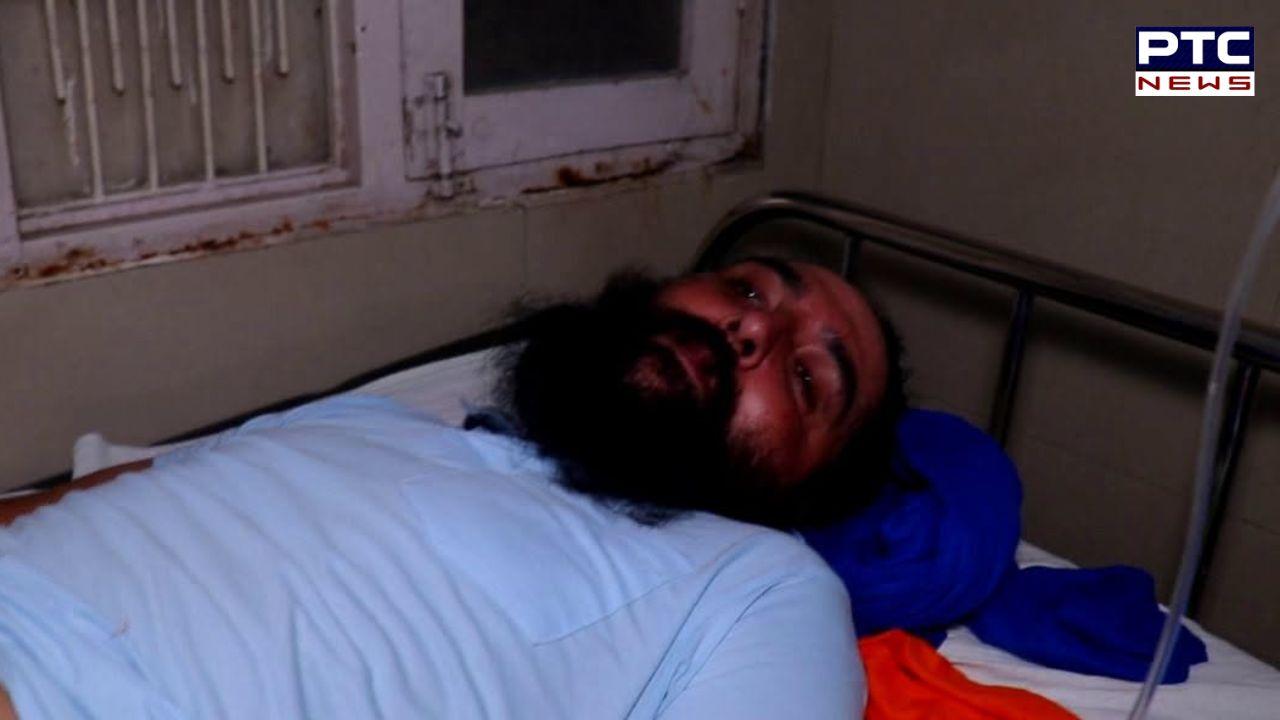
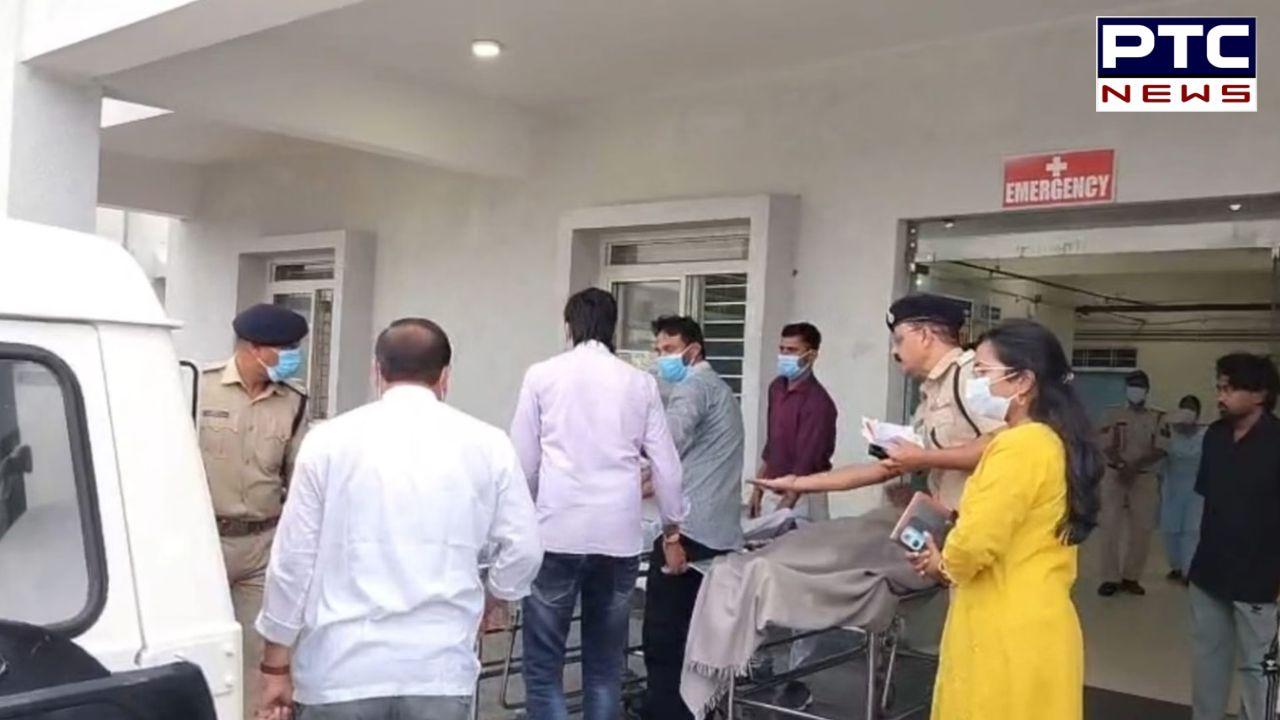
Most recently, protesting members of the Cockroach Janta Party were stopped from entering Parliament complex. One of the leading faces of the agitation and climate activist Sonam Wangchuk, who was sitting on a hunger strike for 20 days, was also moved to hospital as his health kept detriorating.
Wanchuk's hospitalisation and subsequent intensification of the demonstration prompted the authorities to break their silence over the controversy and give at least what can be described as accountability.
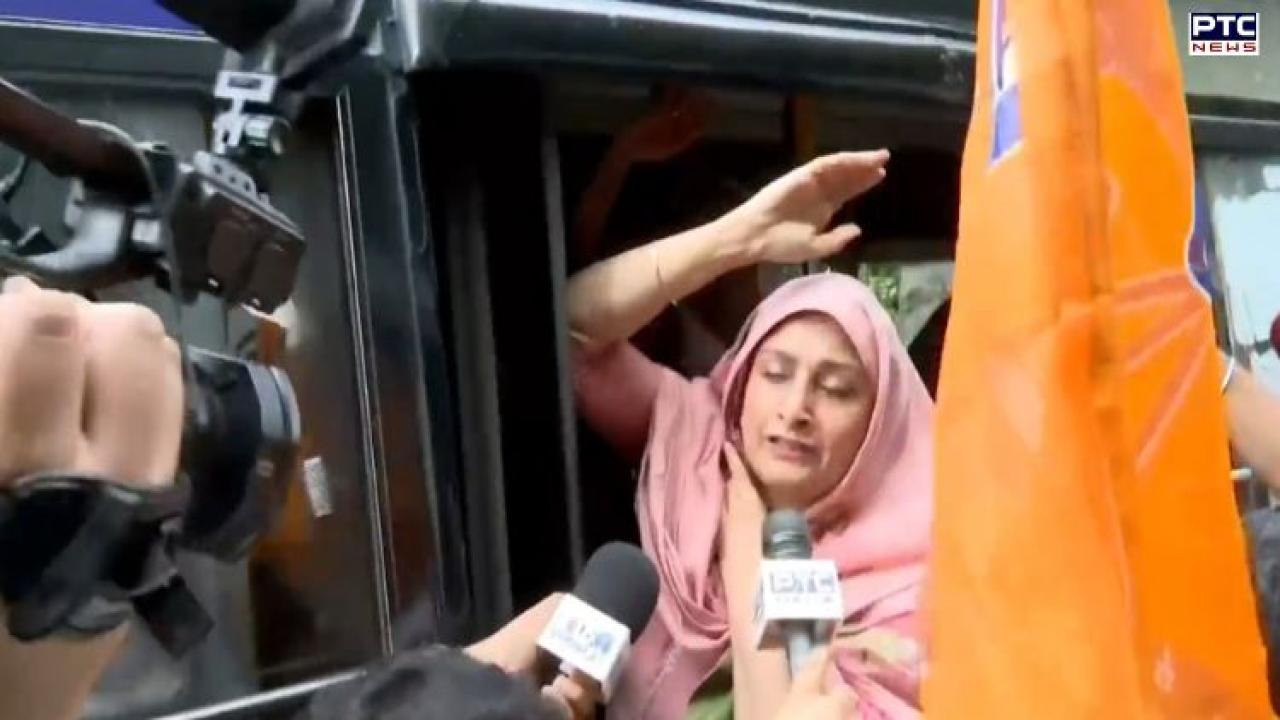
CJP's 'Sansad Chalo March'
The Cockroach Janta Party gave a call for a march towards Parliament to seek accountability over NEET paper leaks, reforms required in NTA and collapsing education system. Despite police brutality, heavy security and barricading, the movement managed to draw significant national attention.
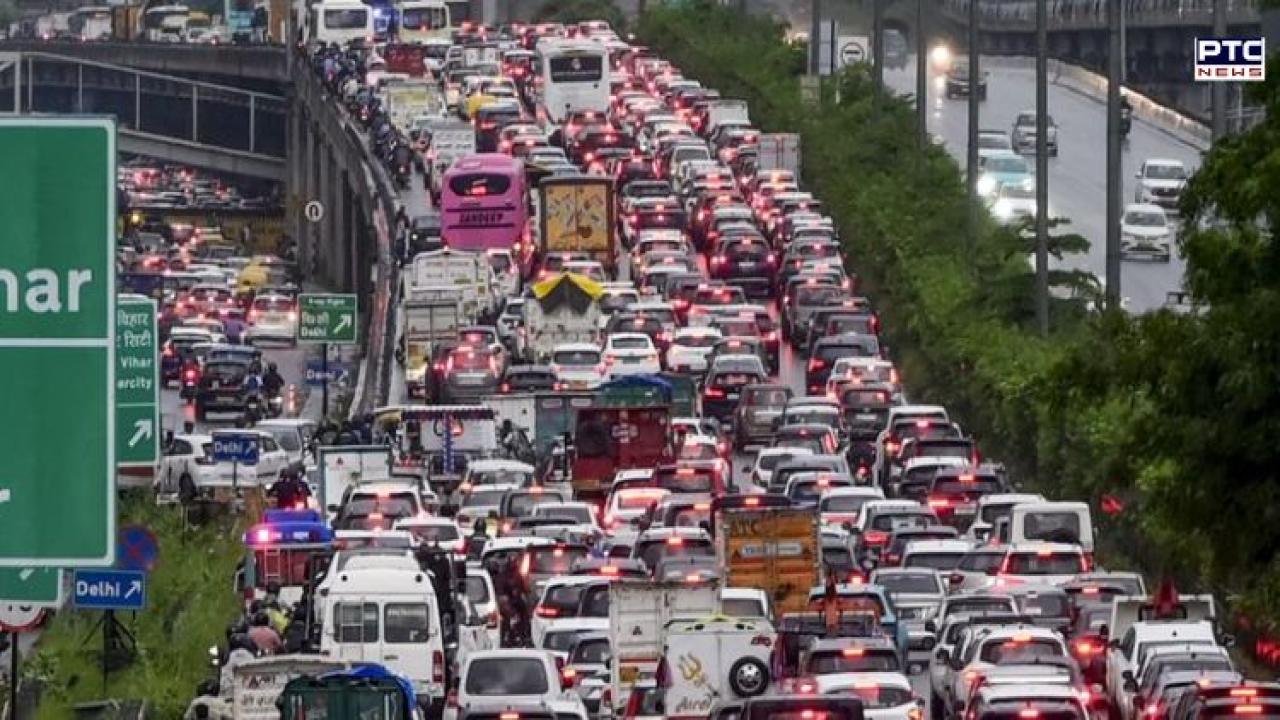
Farmers' 'Delhi Chalo March'
While discussion marches towards Parliament, the farmers' protest stands out alone as one of the most crucial in the history of demonstrations that forced the government to repeal its laws.
The protest lasted for nearly a year. In November 2021, the Centre announced the repeal of the three farm laws, and Parliament later passed a law to formally withdraw them. While this marked a major victory for the farmers' movement, their demand for a legal guarantee on MSP remains unresolved.
Nirbhaya protest
Following the brutal gangrape of Nirbhaya in December 2012, massive protests erupted in the national capital raising questions over security of women and law and order.
The movement brought women's safety to the centre of the national conversation. In response, the government formed the Justice Verma Committee, whose recommendations led to important changes in criminal laws. Parliament later passed stricter provisions related to rape and sexual violence.
Anna Hazare movement
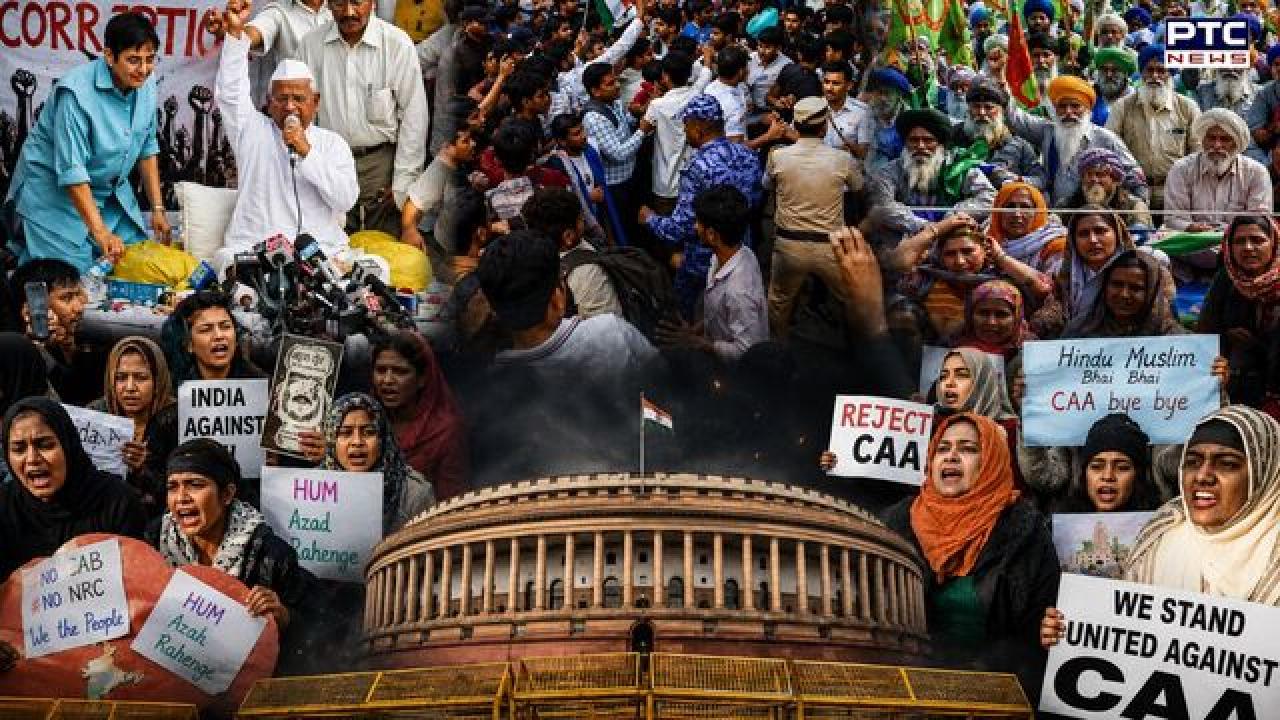
In 2011, a massive anti-corruption movement led by Anna Hazare emerged, with its main protests centred at Jantar Mantar and Ramlila Maidan in Delhi. The movement demanded the implementation of a strong Jan Lokpal law to tackle corruption.
Along with sit-in protests, the campaign also organised marches. Although there was no attempt to occupy Parliament, the public pressure created by the movement was strongly felt by the government and political parties. The Lokpal issue became a nationwide debate, forcing political leaders to respond.
CAA Protests and Shaheen Bagh
In 2019 and 2020, protests against the Citizenship Amendment Act (CAA) were held across India, with the Shaheen Bagh sit-in becoming the most prominent symbol of the movement. Instead of marching to Parliament, protesters mainly organised sit-ins and peaceful demonstrations.
The movement brought the CAA into the centre of the national debate. Opposition parties also raised the issue in Parliament. However, the law was not repealed. As a result, the movement had a significant political and social impact, but it did not achieve an immediate legal victory.
The history of protest movements in India shows that public campaigns are most effective when they remain peaceful, have clear demands, are well organised and enjoy broad public support.
- With inputs from agencies